Visit Tilburg: The New Dutch City You Need to Discover
LAST UPDATED: 24th September 2026 | ORIGINAL: 24th September 2026
Think the Netherlands is all canal houses, clogs and windmills? Tilburg has other ideas. This creative city in North Brabant is full of bold architecture, working design studios, industrial spaces and seriously good places to eat and drink.
I’ll be honest: before I decided to visit Tilburg, it wasn’t a city I knew much about. Amsterdam, Rotterdam and Utrecht had all made it onto my radar years ago, but Tilburg? Not so much. Reading about the New Dutch movement was what first made me curious.
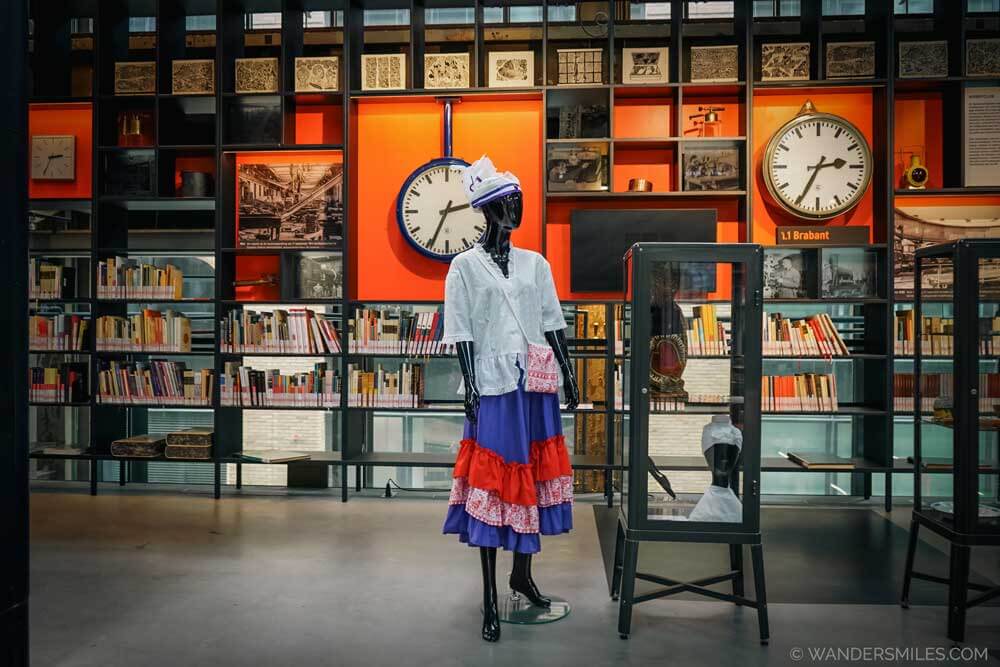
Then I discovered a city that had taken the remains of its industrial past and done something genuinely exciting with them. Old railway buildings have become cultural spaces. A former locomotive workshop is now an award-winning library. Textile heritage is not sitting quietly behind glass, either. It is being used by contemporary designers to create brand-new work.
Tilburg is one of the Netherlands’ larger cities and sits in North Brabant, in the south of the country. It does not immediately serve up the traditional Dutch scenes many visitors expect, and that is exactly the point. If you like creative neighbourhoods, repurposed buildings, street art, unusual museums and cities that feel as though they are still evolving, put Tilburg on your list.
Why Tilburg is a New Dutch city
So, what does New Dutch actually mean? It is less about a particular look and more about an attitude. The term brings together fresh thinking in design, architecture, art, fashion, food and technology, with experimentation and sustainability running through it all. It is about respecting what already exists while being brave enough to use it differently.
That makes Tilburg a brilliant place to see the idea in action.
For generations, the city’s identity was tied to wool and textiles. When that industry declined during the twentieth century, Tilburg had to work out what came next. Instead of hiding every trace of its working past, the city began giving old factories, workshops and railway buildings new life. Today, those spaces house museums, studios, restaurants, start-ups and venues where people can meet, study and make things.
Railway maintenance was another industry that once shaped Tilburg. From 1868 to 2011, the Hoofdwerkplaats beside the station was used to repair and maintain trains and locomotives. When it closed, many of its halls, tracks and industrial details were kept and folded into the Spoorzone. It is a great example of New Dutch thinking breathing fresh life into one of Tilburg’s bygone industries
The growing university and student population adds another layer of energy. Tilburg now feels like a city where research, culture, design and entrepreneurship are constantly bumping into one another. The Spoorzone, the former railway works beside the station, sums it up perfectly. It is still rugged around the edges, but it is also packed with new ideas.
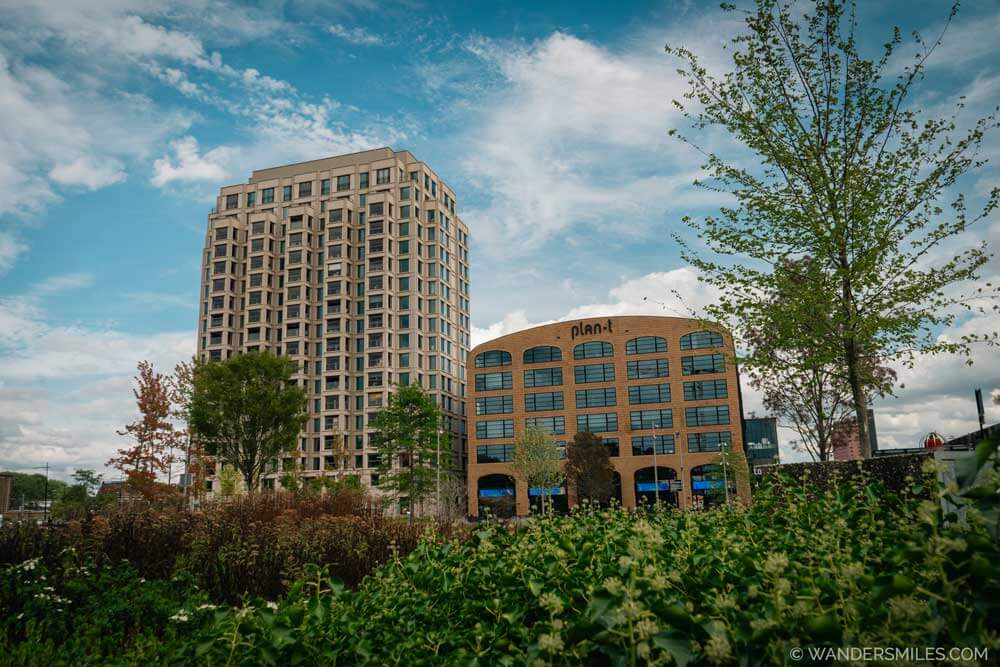
What to do in Tilburg
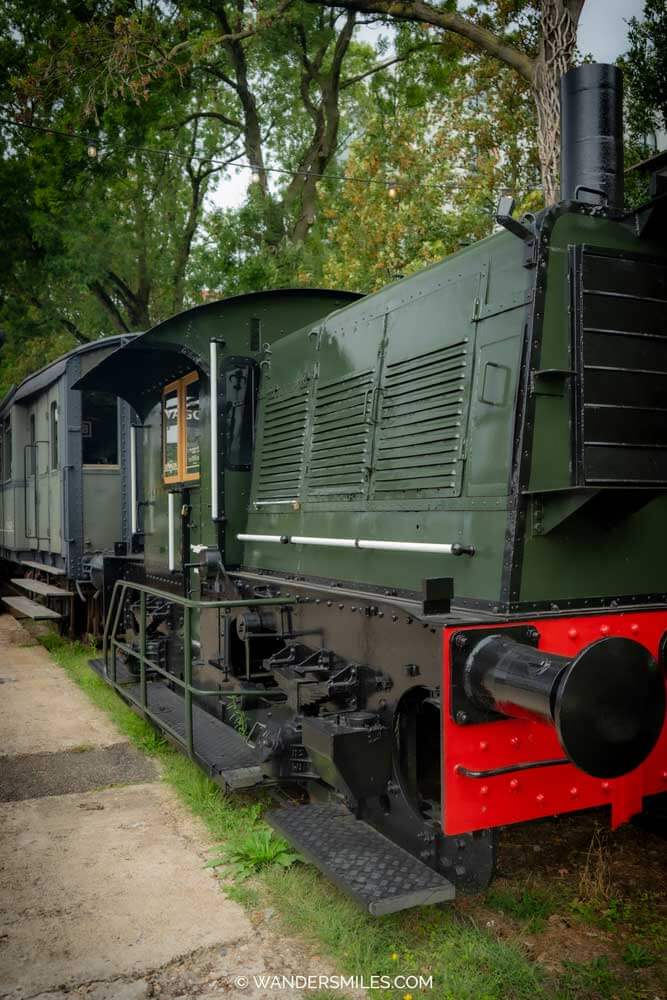
Have lunch inside a vintage train
Lunch on a train usually means a squashed sandwich balanced on your knee. At Eetbar De Wagon, it is a much more enjoyable affair.
The restaurant fills a set of vintage railway carriages beside the station’s northern exit, right in the Spoorzone. It is a fun setting without feeling like a gimmick, and it suits the area perfectly. This is a district that loves finding unexpected uses for its railway heritage.
We ordered the workers’ lunch, which arrived in a beautifully presented box absolutely packed with food. It was generous, colourful and much more exciting than my usual travel-day lunch. If you are arriving by train, De Wagon is an easy first stop and a rather fitting introduction to the city.
 Eetbar de Wagon restaurant, Tilburg
- Frittata dish

Pop into LocHal, even if you don’t need a book
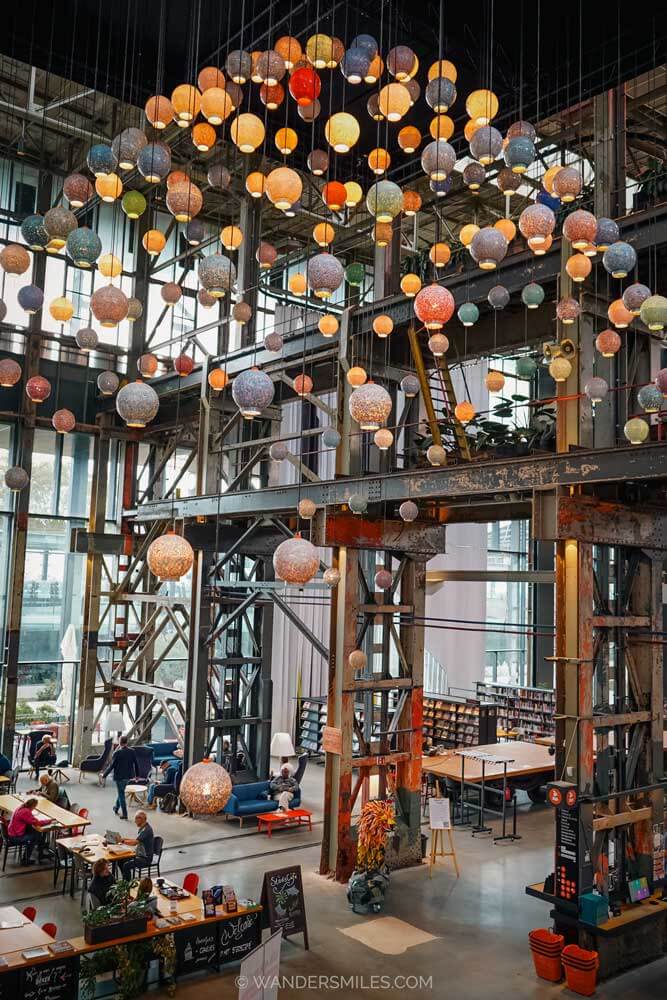
I know a library might not sound like the obvious star of a city break, but LocHal is no ordinary library.
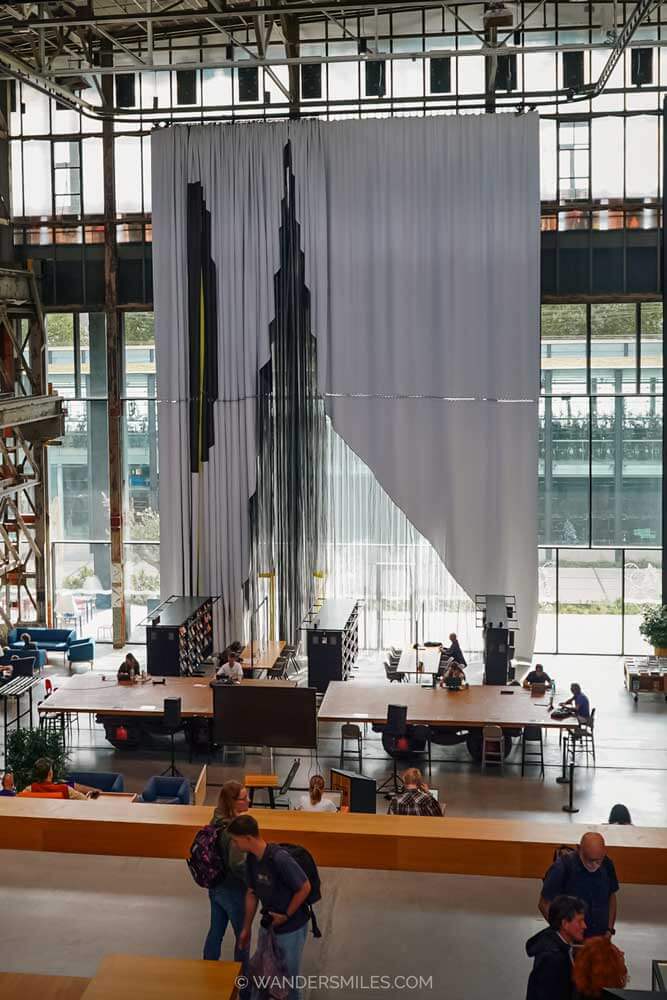
This vast former railway workshop has been turned into what feels like Tilburg’s communal living room. The original industrial scale is still there, with soaring ceilings, steel columns and huge open spaces, but it has been softened with café tables, reading areas, stair-like seating and enormous textile curtains. Those curtains were produced at the TextielLab elsewhere in the city, which is a lovely link between Tilburg’s past and present.
The sustainable thinking is just as clever as the good looks. Instead of demolishing the 1932 shed and starting again, Tilburg kept much of its industrial shell, saving materials and giving the building a new purpose. Heating and cooling is focused on the areas where people actually sit and work, rather than trying to control the temperature of the entire cavernous hall. Up on the roof, solar panels produce enough energy to power roughly 80 homes a year. Even the glass auditorium has been reused: Tilburg rescued the structure from Amsterdam’s Beurs van Berlage for the symbolic price of one euro and gave it a new home here.
At the 2019 World Architecture Festival, LocHal took home the event’s top honour: World Building of the Year. It is easy to see why. The building is impressive, but it is not precious. People come here to work, read, chat, attend events or simply drink coffee. Entry is free, so you can wander in for a quick look and accidentally stay for an hour.
- LocHal, a transformed former locomotive shed
- Draped textile installation made in TextielLab
Watch ideas being made at the TextielMuseum
Tilburg’s textile story continues at the TextielMuseum, which is housed in a former factory. You can learn about the workers, machinery and skills that once powered the city, but this is not a museum that only looks backwards.
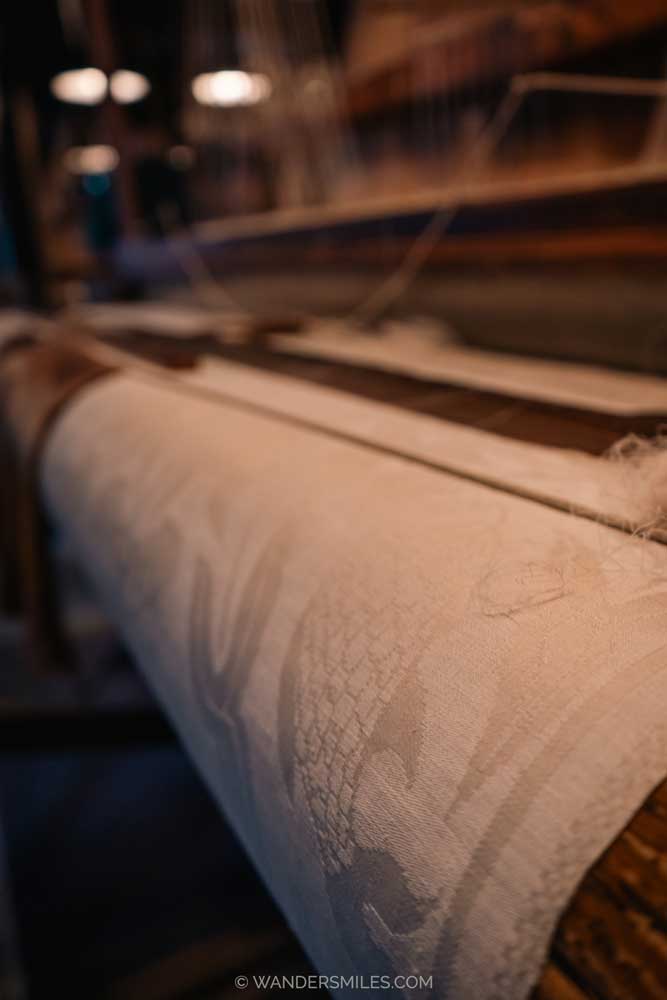
Its most exciting feature is the TextielLab, a working development studio used by artists, designers, architects and students. Visitors can see professionals experimenting with industrial weaving, knitting, embroidery, tufting and other techniques, often with specialist technicians working beside them. These are real commissions and research projects, not demonstrations staged purely for tourists.
That working atmosphere changes the whole experience. You are not just looking at finished objects and reading labels. You get to see the decisions, tests and occasional complications that happen before a finished piece exists. For anyone interested in design or making, it is completely absorbing. Having studied textile design at Glasgow Scohool of Art, this was right up my street.
- Damask Weaving Loom
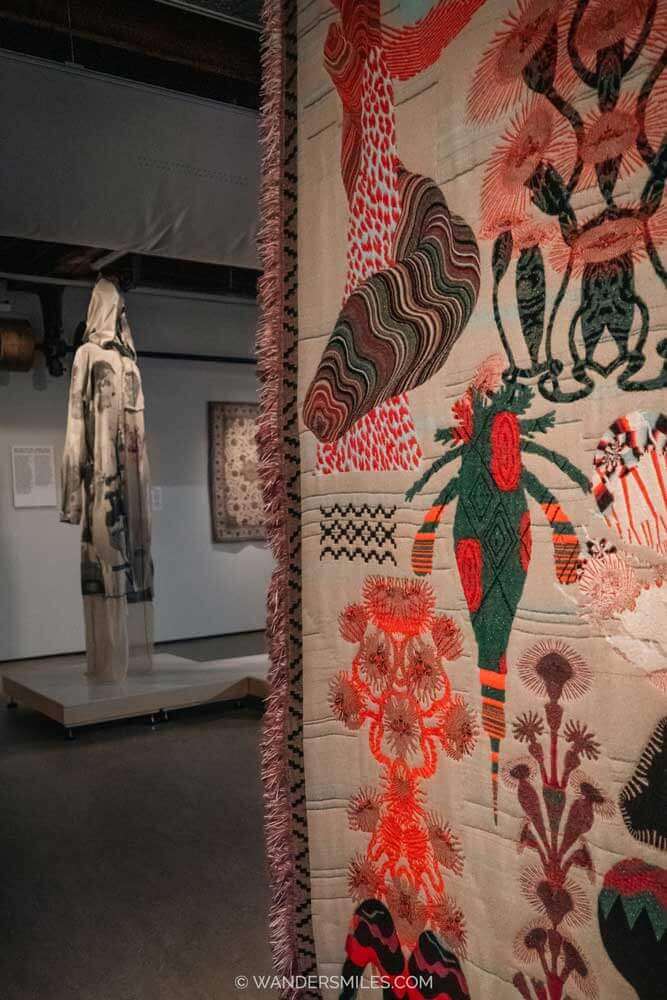
- “Herbarium of Dreams” by Finnish textile artist Kustaa Saksi
Look for contemporary art at PARK@Schouwburg
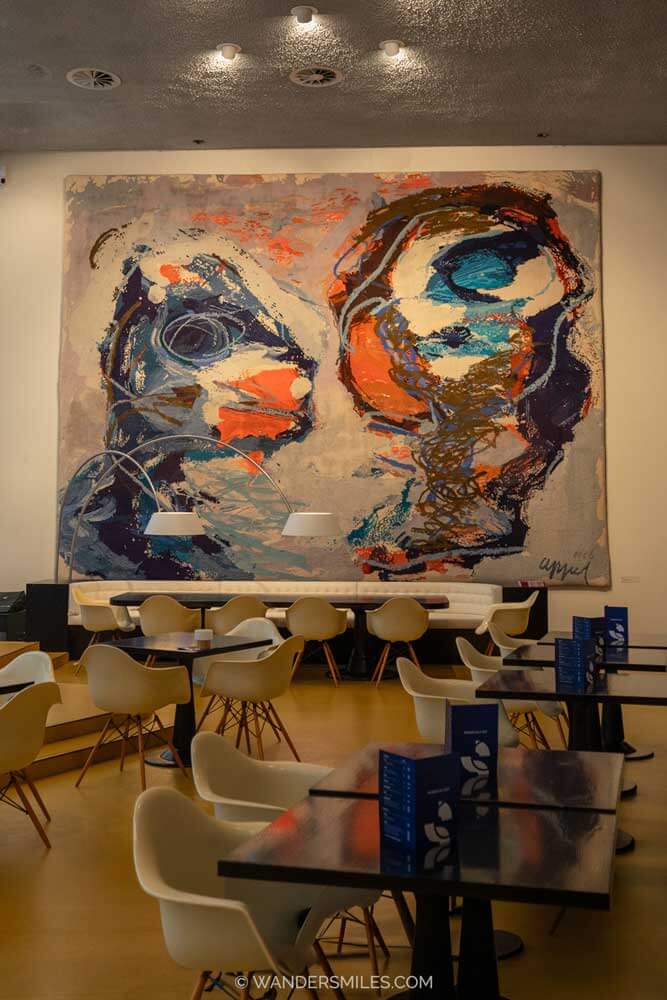
Tilburg likes putting art where people can stumble across it, rather than keeping everything inside a conventional gallery. PARK@Schouwburg is a partnership between the PARK art platform and the city’s theatre and concert hall. It brings large contemporary works into the foyers and other public areas of the building, letting the art interact with the architecture around it.
The displays change, so check the programme before visiting. You could combine it with a performance, but it is also worth calling in specifically to see what is occupying the space.
- Wall-hanging from painting “Two Personages” by Karel Appel
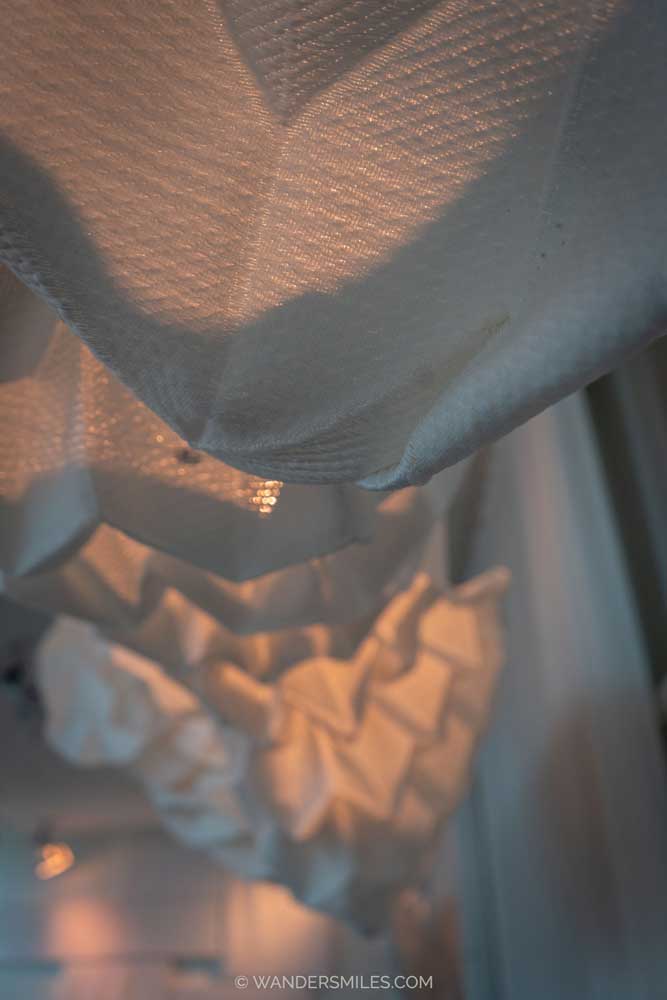
- Archi Folds by textile architect Samira Boon
Try a local Trappist beer
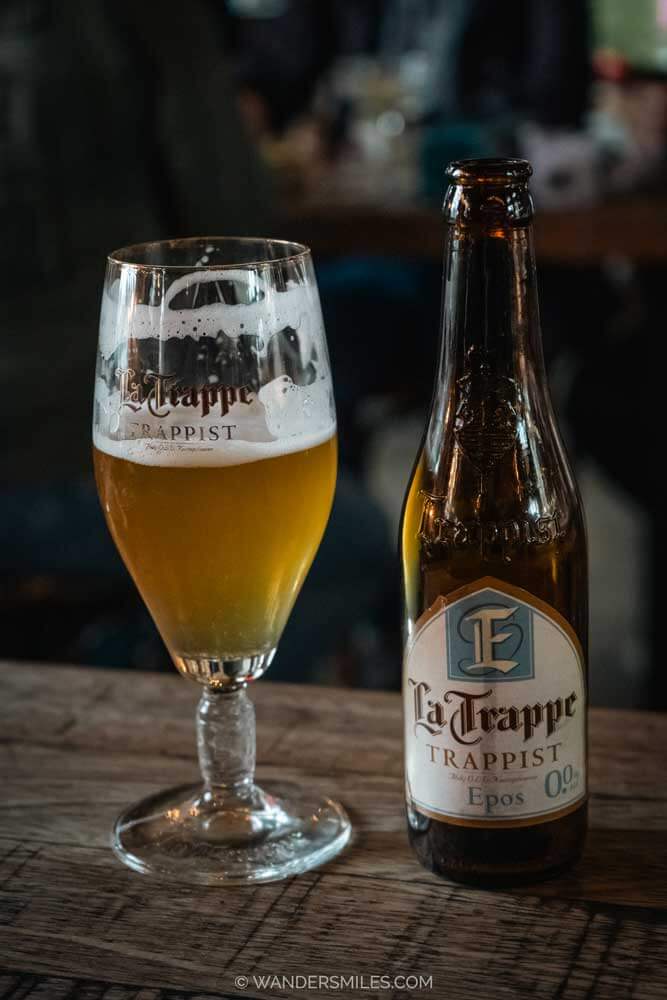
Beer is taken seriously around here. I stopped at RAW in Tilburg for an IPA, but the local name you will see again and again is La Trappe.
La Trappe has been brewed at Koningshoeven Abbey since 1884. The beer is made under the responsibility of the monks, and part of the income supports charitable causes. I have always believed in giving back, but I did not realise ordering a beer could be part of the plan.
You will find La Trappe on menus across Tilburg. If you have extra time, head out to the abbey brewery itself. You can visit the tasting room, book a brewery tour and have something to eat in the peaceful grounds. It is outside the central sightseeing area, so allow a little more time than you would for a quick drink in town.
- La Trappe beer
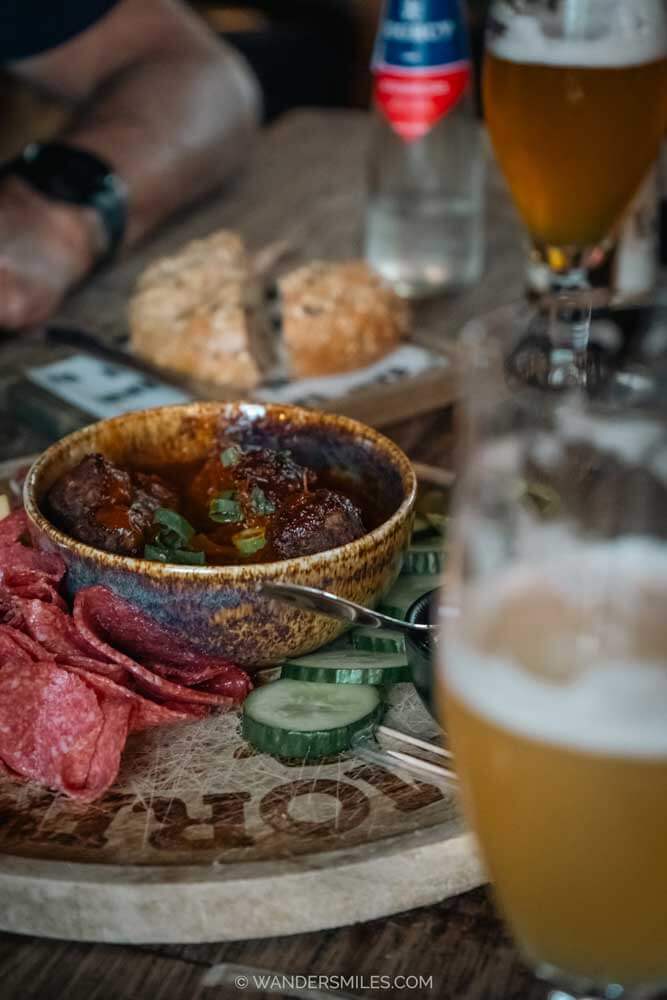
- Dutch borrelhapjes (drinks snacks)
Have dinner by the water at De Graanhandel
Piushaven is Brabant’s largest city harbour and has become a lively waterside neighbourhood for eating, drinking and getting out on the water, all within walking distance of Tilburg’s centre. Sadly, the rain was coming down when we visited, so we did not get the full buzz of its outdoor terraces. On the plus side, it gave us an excellent excuse to settle in for a cosy dinner at De Graanhandel.
The restaurant occupies a striking Amsterdam School-style building that was once home to a grain and flour factory, so the name suddenly makes perfect sense. It is an easygoing, all-day place serving everything from breakfast and coffee to lunch, drinks and dinner. The owners are also behind Eetbar De Wagon and De Houtloods, so they clearly know a thing or two about giving Tilburg’s industrial spaces a delicious new life.
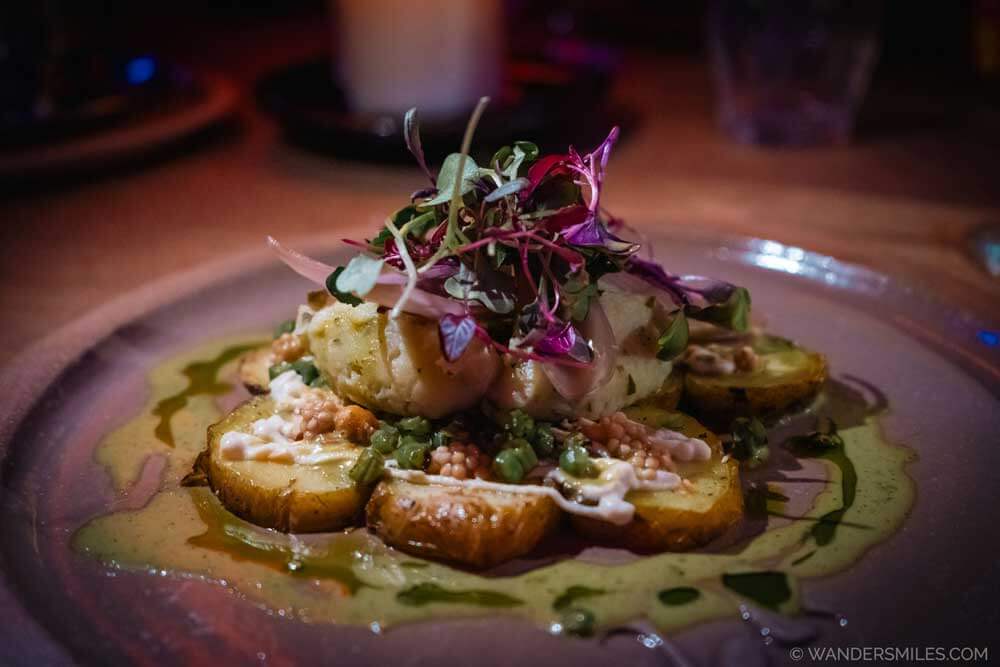
I started with natural wine and a selection of sharing plates made with seasonal, carefully chosen produce. My vegetarian main brought together Opperdoezer potatoes, haricots verts, potato purée with pickle, sherry-vinegar shallot, hazelnuts and a green herb sauce. Then came a pavlova with fig compote, vanilla and sweet woodruff mousse, fresh fig and fig-yoghurt ice cream. No regrets there.
Many of the dishes are vegetarian as standard, with the option to add meat or fish, which makes this a particularly easy place to eat when everyone at the table wants something different
Go hunting for street art
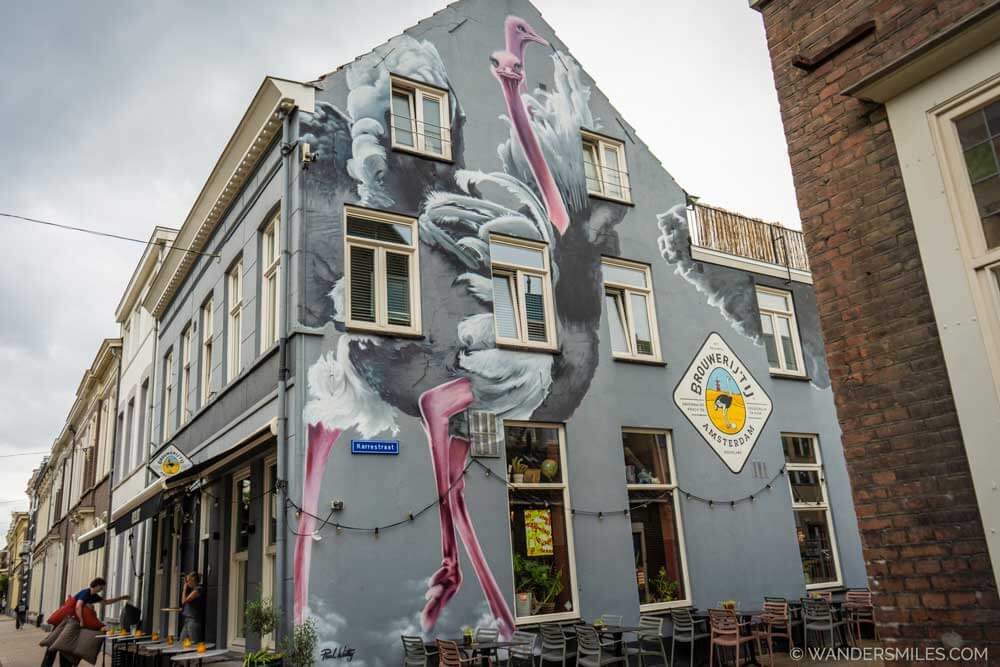
Keep your eyes on Tilburg’s walls because some of the city’s best art is outdoors. Murals, graffiti and wall poetry appear across the centre and around the Spoorzone, adding colour to brick buildings, underpasses and industrial corners.
The easiest way to find the highlights is to follow The Wall Museum, a free 4.5-kilometre route that can be walked or cycled at any time. It links murals and poems across central Tilburg, so it also works as a relaxed introduction to the city.
One work worth seeking out farther from the centre is Trashure by Studio Giftig. The giant photorealistic mural shows a woman wearing a dress created from recycled materials. It topped Street Art Cities’ worldwide vote for work created in 2022, which is quite a claim to fame for a wall on an industrial estate.
Spend time exploring the Spoorzone
If you only have a short visit, make the Spoorzone your priority. The former railway works begin right beside Tilburg Central Station, making the area ridiculously easy to reach.
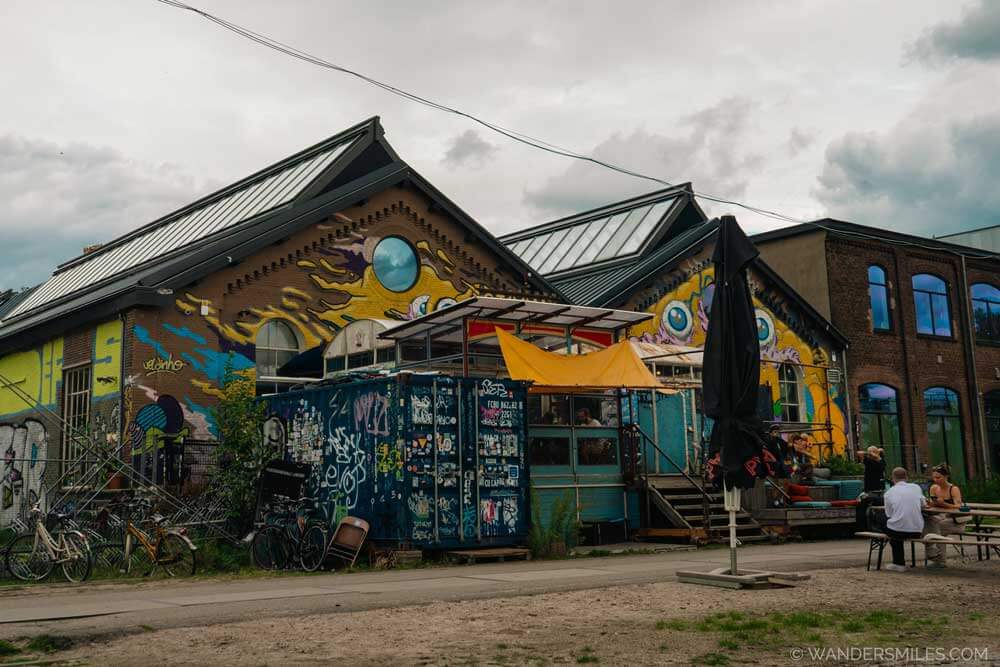
LocHal and De Wagon are both here, but there is plenty more to discover. The district mixes old industrial buildings with cafés, breweries, workspaces, public art and event venues. It feels youthful and a little rough-edged, in a good way.
The Hall of Fame is one of its liveliest spots, with an indoor skatepark, performance space, café and studios inside a former railway hall. Check the calendar before you go, as the atmosphere depends on what is happening that day. The Spoorzone is also home to Doloris Meta Maze, an immersive art experience where you climb, crawl and find your way through surreal rooms. It is best booked ahead, especially at weekends.
|| STEAL MY TOUR IDEAS: Explore Tilburg with a Musical Walking Tour or Self-guided Scavenger Hunt
Follow Tilburg’s links to De Stijl
Tilburg also has a surprising connection to De Stijl, the influential Dutch art movement associated with strong geometry, straight lines and primary colours.
During the First World War, artist Theo van Doesburg and railway clerk and poet Antony Kok met at the café-restaurant that once stood in what is now Hotel Central, opposite the station. Their conversations and creative experiments helped lay the groundwork for the movement that followed.
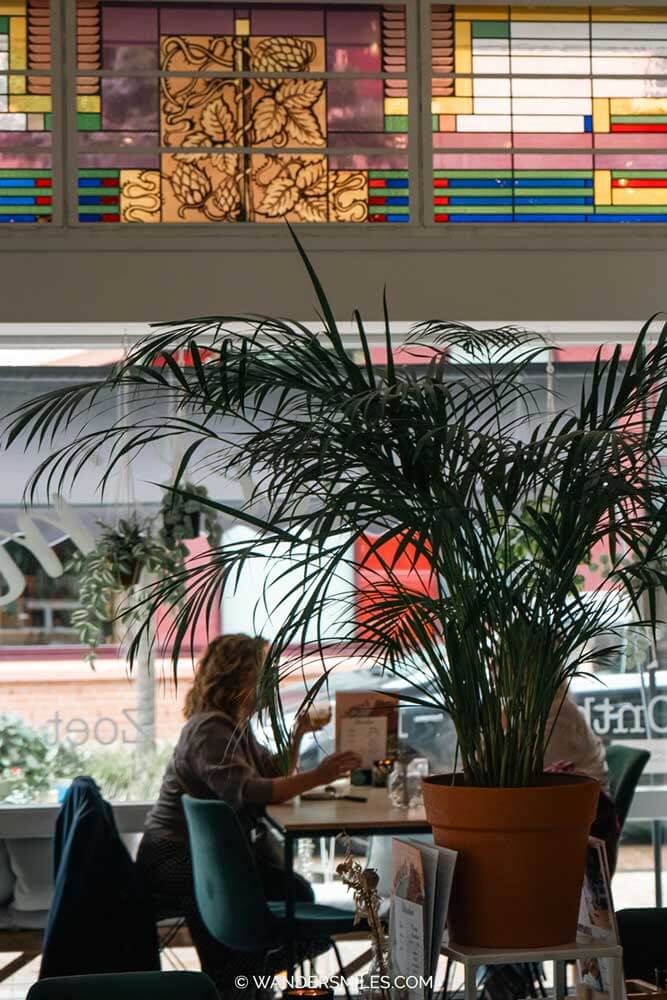
Hotel Central now celebrates that history through interiors inspired by De Stijl and Dada. We had a delicious lunch at the cafe smeer’m on the ground floor, but the building is more than a food stop. It connects a major chapter of Dutch art history to the exact part of Tilburg where it began taking shape.
To dig deeper, follow the 90-minute self-guided video walk created by Stichting De NWE Stijl Tilburg. It guides you through the city centre and Spoorzone while performers share stories about local people, buildings and ideas linked to De Stijl.
- Smeer’M cafe, Tilburg
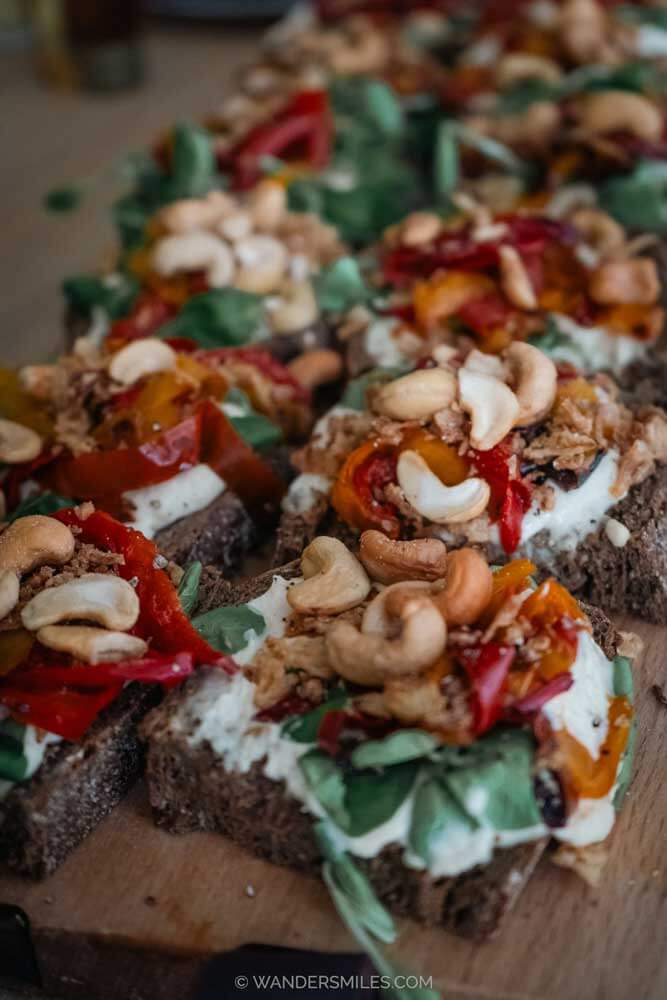
- Sandwiches with hummus
Visit Tilburg: travel essentials
Is Tilburg in the Netherlands worth visiting?
Yes, particularly if you enjoy creative cities and places that are doing something imaginative with their heritage. Tilburg is not trying to imitate Amsterdam, and it does not need to. Its appeal lies in industrial architecture, experimental art, independent venues and a sense that the city is still inventing its next chapter.
It is also a good choice if you have visited the Netherlands before and want somewhere less obvious. You will see fewer picture-perfect canals, but far more of the contemporary Dutch approach to design, reuse and urban life.
How many days do you need in Tilburg?
I had just 24 hours in Tilburg, which was enough to get a strong feel for the city and cover several of its highlights. It was not enough to do everything.
One full day works if you concentrate on the Spoorzone, LocHal, the TextielMuseum and dinner or drinks. For a slower visit, I would stay for two nights. That gives you time for the street-art route, the La Trappe brewery, another museum and at least one evening event without racing between them.
If you have 2 days in Tilburg or more, you could make use of the surrounding nature with the abundance of walking and cycling routes, and it is a popular base for families that wish to visit Efteling theme park.
When is the best time to visit Tilburg?
Late spring and early autumn are ideal for walking and cycling without the busiest summer crowds. The weather is usually mild, but this is the Netherlands, so pack a light waterproof layer even when the forecast looks friendly. Summer brings longer days and warmer temperatures, while winter can be cold and grey.
Tilburg has a busy cultural calendar, so it is worth checking dates before booking. Carnival brings a burst of colour and noise in February, while Festival Circolo fills Spoorpark with contemporary circus performances in September. I narrowly missed it, which is an excellent excuse to go back.
How do you reach Tilburg sustainably?
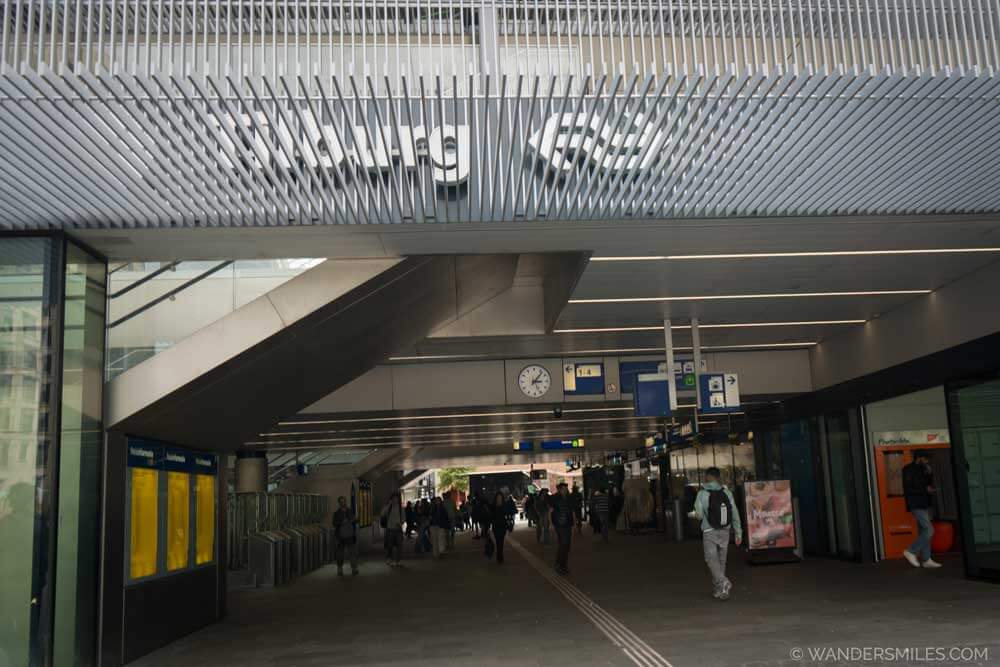
Tilburg is very easy to reach by rail. I travelled from London on the Eurostar to Rotterdam, then changed to a Dutch train for Tilburg. Eurostar currently runs direct and connecting services between London and Rotterdam, but schedules can change, so check your full route before booking.
Once you arrive, much of the city centre and the Spoorzone can be explored on foot. Cycling is another obvious option, and local public transport can take you to places farther out, including the area around Koningshoeven Abbey. Unless Tilburg is one stop on a wider road trip, there is no real need to bring a car.
Which cities are close to Tilburg?
Breda, Eindhoven and ’s-Hertogenbosch are all easy to reach by train, so Tilburg fits neatly into a longer North Brabant trip. Eindhoven is the most natural partner if you want to continue the New Dutch theme, especially for contemporary design and repurposed industrial areas.
Rotterdam also works well as a before-or-after stop, particularly if you are travelling by Eurostar. For something completely different, the Efteling theme park is close to Tilburg and can be reached by public transport.
Where should you stay in Tilburg?
Tilburg has accommodation in and around the centre, near the Spoorzone and in quieter areas farther out. If you want restaurants, bars and the main creative sights on your doorstep, look close to Central Station or the city centre.
I stayed at ibis Tilburg, in the south of the city. It is a straightforward, practical base if you do not mind being outside the central sightseeing area. Wherever you choose, check the distance to the station and the late-evening transport options if you plan to make the most of Tilburg’s nightlife and cultural programme. They hold a Green Key-label Gold certification which includes locally sourced and organic produce, invests in community projects, energy and water efficient systems, and partners with Too Good To Go for food waste.
Final thoughts on visiting Tilburg
Tilburg is not a city that relies on an instantly recognisable skyline or a checklist of famous landmarks. It wins you over in a different way. The more you look, the more connections you notice between its old industries and new creative life.
A railway workshop becomes a public library. Textile machinery becomes a tool for international designers. Factory walls become outdoor galleries. Even lunch happens inside a train.
That, for me, is what makes Tilburg such a convincing New Dutch destination. It has not erased its past, and it has not allowed that past to trap it. Instead, the city has picked up the useful pieces and made something new from them. I only had a day, but Tilburg gave me plenty of reasons to return.
Quick Links for Tilburg Trip Planning
- Find the best tours in Tilburg
- Discover more Tilburg experiences
- Find great deals on affordable hotels and quirky hostels
- Guide on travel and attractions in Tilburg
- Don’t forget travel Insurance: 5% Off HeyMondo + Safetywing
Thank you to Visit Netherlands and CityMarketing Tilburg for supporting me on my mission to write about New Dutch cities. All opinions are my own.
PIN to Visit Tilburg
Disclosure: This post contains affiliate links, which means I may receive a small commission if you click a link and purchase something that I’ve recommended. It comes at no cost to you. Thank you for your support.