Iconic Cities of Spain by Train: Best Itinerary for Foodies and History Lovers
LAST UPDATED: 2nd September 2026 | ORIGINAL: 18th August 2026
If you want to explore Spain’s most historic cities without driving or flying between destinations, travelling Spain by train is an enjoyable way to see more of the country while watching the ever-changing landscape whip past the windows.
This itinerary takes you from Madrid to Seville, Granada, Córdoba and Barcelona, with a detour to Girona, combining major landmarks with local neighbourhoods, food, culture and plenty of time on foot. I travelled with Great Rail Journeys, joining a group tour that linked these cities by rail from the UK.
Planning a multi-city trip can be tricky. How long should you spend in each place? Which sights are genuinely worth your time? And can you fit Spain’s famous historic landmarks into a packed itinerary without feeling like you are constantly rushing from one station to another? With several cities covered in just 11 days, I discovered that centrally located hotels, well-planned train connections and a good balance of guided tours and free time made a big difference.
As a self-confessed travel addict (and writer), I love exploring destinations beyond the obvious highlights, so this wasn’t simply a tick-list of Spain’s biggest attractions. Alongside the Alhambra, Seville Cathedral and the Mezquita in Cordoba, I sought out tapas bars, historic neighbourhoods, street art, and out-of-the-way barrios.
Here’s my honest review of travelling through Spain by train with Great Rail Journeys, including what I loved, what changed along the way and how you can make the most of your own Spanish rail adventure.
Review of Iconic Cities of Spain By Train
Travelling with Great Rail Journeys
Travelling around Spain by train with Great Rail Journeys took the stress out of organising a multi-city trip. From the initial communication to the journey itself, everything was well managed. Our tour leader, Nicola, even called before the trip to check in, which was a lovely personal touch and gave me confidence that we were in good hands.
The trains varied depending on the route and operator, with a mix of standard, comfort and business class. I particularly liked being able to sit back and watch the Spanish landscape change rather than worrying about driving, parking or navigating between cities.
The hotels were another strong point. They were centrally located, which mattered when we only had one or two nights in each destination. Being close to the historic centres meant we could head out exploring as soon as we arrived and easily return to the hotel between activities.
I was also the youngest member of the group by quite some margin. It has been a while since anyone called me “the young one”! Everyone was great company, though, and there were plenty of stories exchanged over dinners and drinks. I probably squeezed rather more into my free time than some of the group, but that is part of the fun of travelling with bloggers’ notebook and a long list of places to explore.
 RENFE trains at Cordoba Station
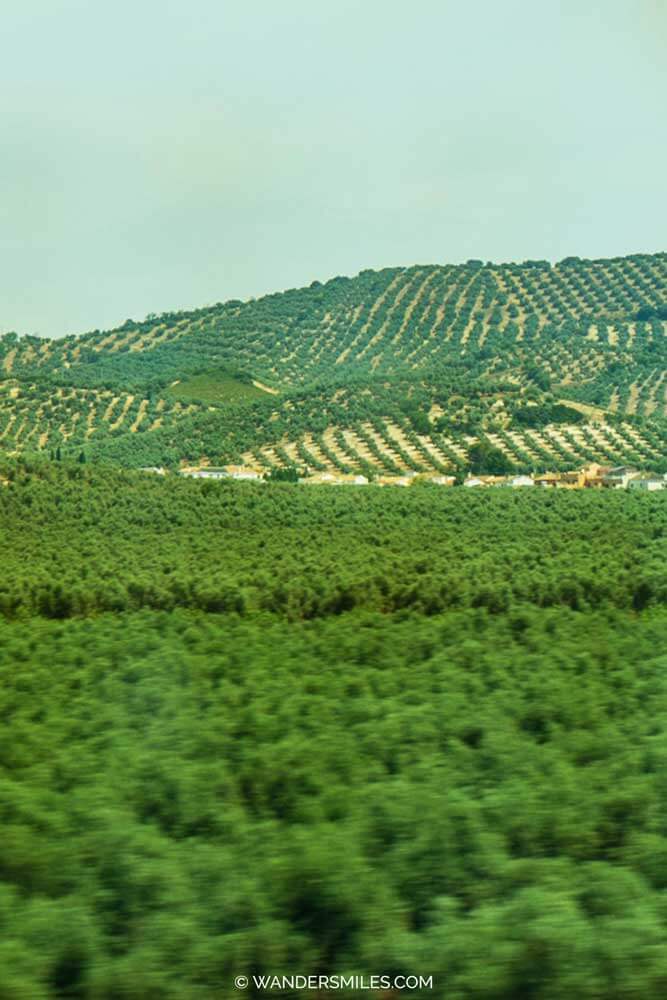
- Window seat: olive groves near Seville

Great Rail Journey’s ‘Iconic Cites of Spain’ Itinerary
Overview of the itinerary
The journey began at London King’s Cross, travelling to Paris before continuing south to Biarritz for our first overnight stop. From there, the itinerary took us into Spain, with time in Madrid, Seville, Granada, Córdoba and Barcelona.
Travelling between the cities by train made it possible to cover a lot of ground without constantly packing and unpacking for internal flights, and, of course, travelling by train is the more sustainable transport option. Each destination also had its own character. Madrid brought grand museums and leafy parks, Seville delivered flamenco and Moorish architecture, Granada centred around the Alhambra, Córdoba offered centuries of history, and Barcelona provided Gaudí and medieval streets.
Change to the itinerary
Our itinerary did have to change. The Pope was making a tour of Spain during our trip, which meant road closures and temporary restrictions affected some of our plans. The Sagrada Família was also closed to visitors. Great Rail Journeys handled the changes well and kept us informed, switching some of our Barcelona plans for a day trip to Girona.
A night in Biarritz
For the Great Rail Journeys Iconic Cities of Spain tour, you have the choice of flying to Madrid or taking the train all the way from the UK. Naturally, I opted for the train. After all, I was there to experience Spain by train, so why fly when I could enjoy more of the journey?
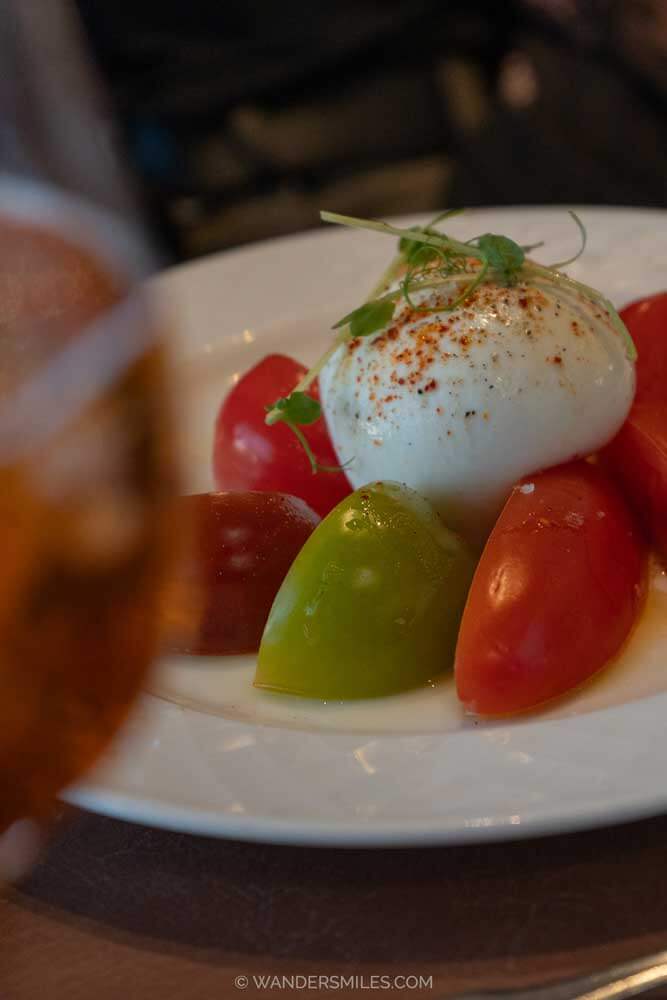
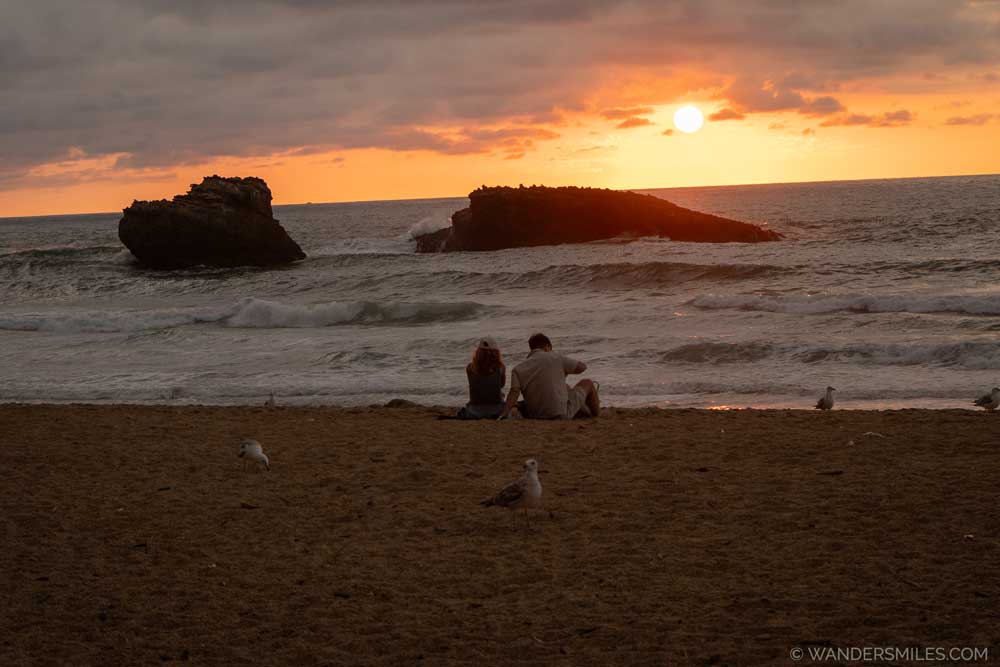
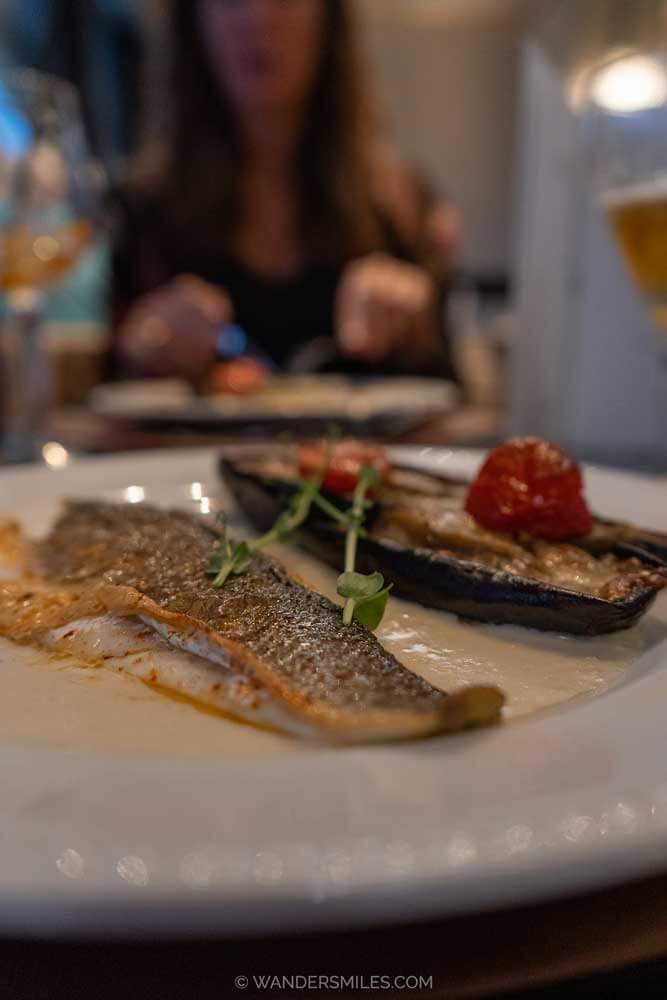
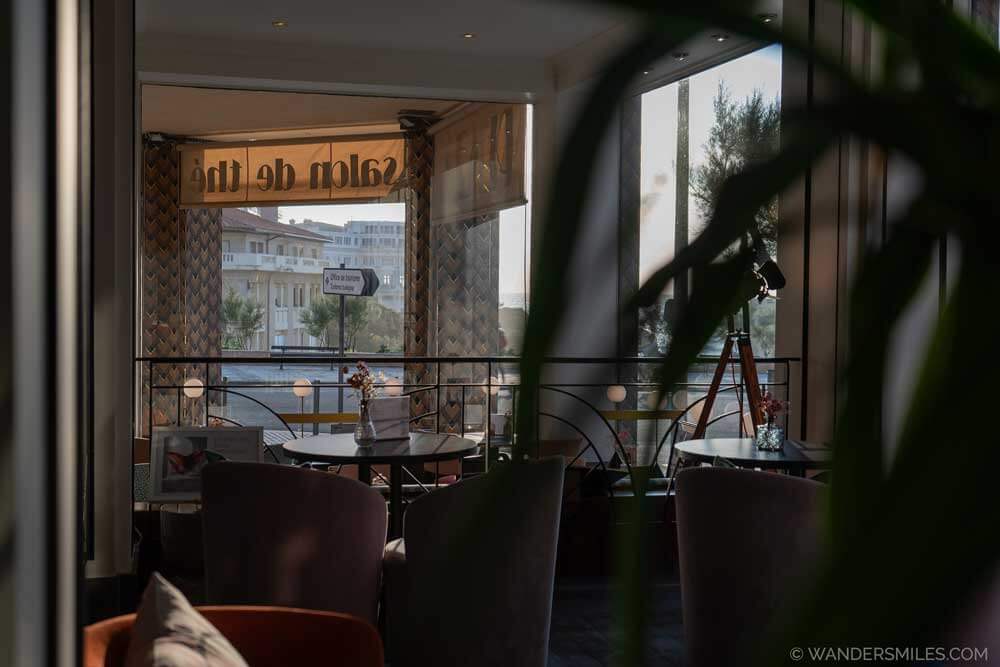
Taking the train meant an overnight stop in Biarritz before we crossed into Spain and started the main itinerary. It was a lovely way to break up the journey, and we ended the day with a fantastic meal by the beach at Le Café de la Grande Plage, watching the sun set over the Atlantic. After dinner, we headed back to the Hotel Plaza Biarritz Plage for a comfortable night’s sleep before embarking on our big rail adventure through Spain.
- Tomato and burrata salad at Le Café de la Grande Plage
 Playa De Biarritz at sunset
- Sea bass fillet
- Hotel Plaza Biarritz Plage
Madrid: Two Nights
MADRID | TOUR DETAILS: The train travel, hotel with breakfast and a guided walking tour were included. The rest of the time was free for exploring Madrid at your own speed.
Madrid was our first proper stop in Spain and a great introduction to the country’s capital. With only two nights, there was no chance of seeing everything, so I focused on a mix of major historic sights, local food and simply wandering the city streets.
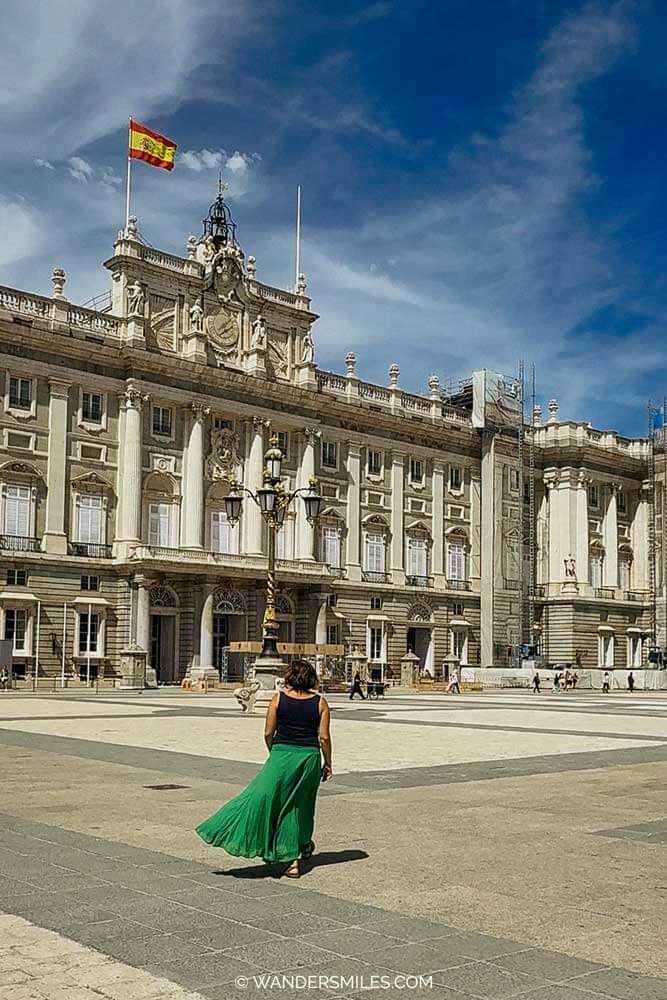
After a morning of train travel from Biarritz, I headed straight to my pre-booked time slot at the Royal Palace, one of Madrid’s most impressive landmarks, with lavish rooms and centuries of royal history. It is also a good reminder that Madrid’s story stretches far beyond its reputation as a modern European capital.
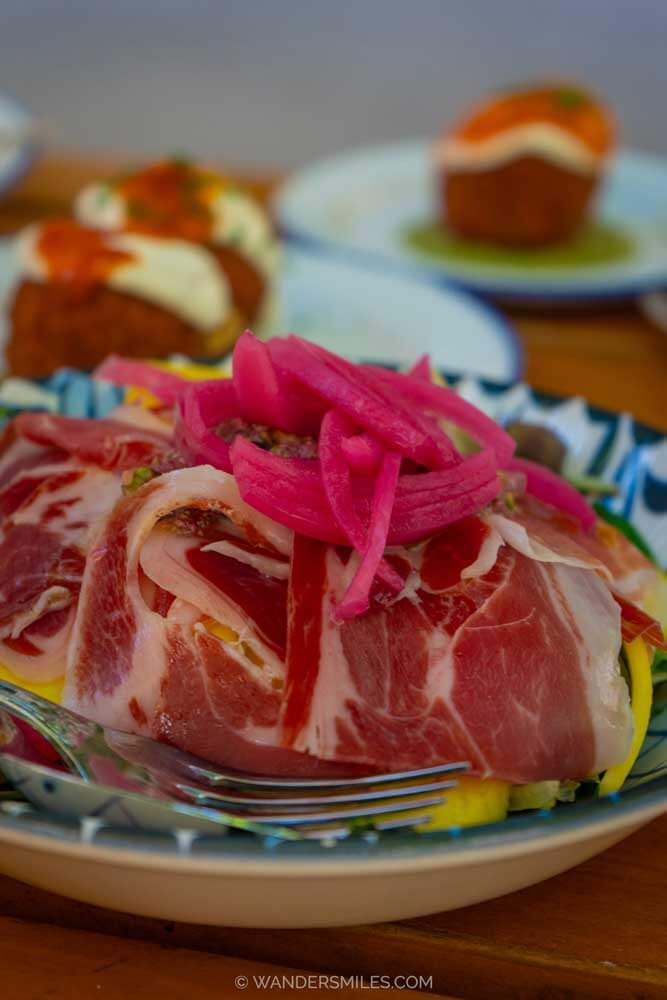
By then, the hunger pangs were very real, so a visit to the century-old Mercado de San Miguel was definitely in order. I picked up a selection of Manchego, anchovies and calamari, all washed down with a glass of vino rosado.
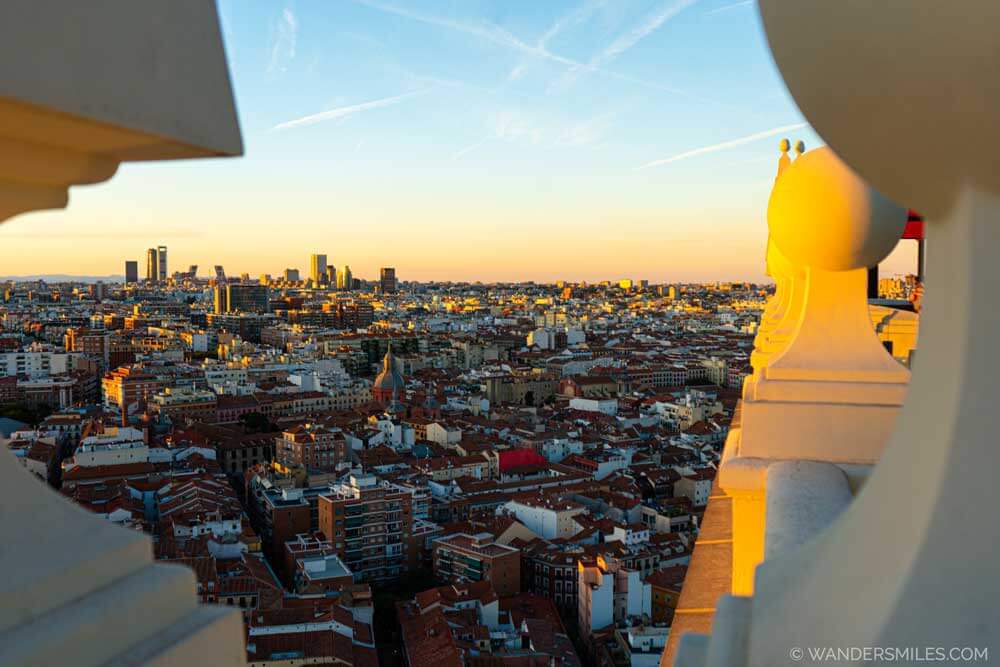
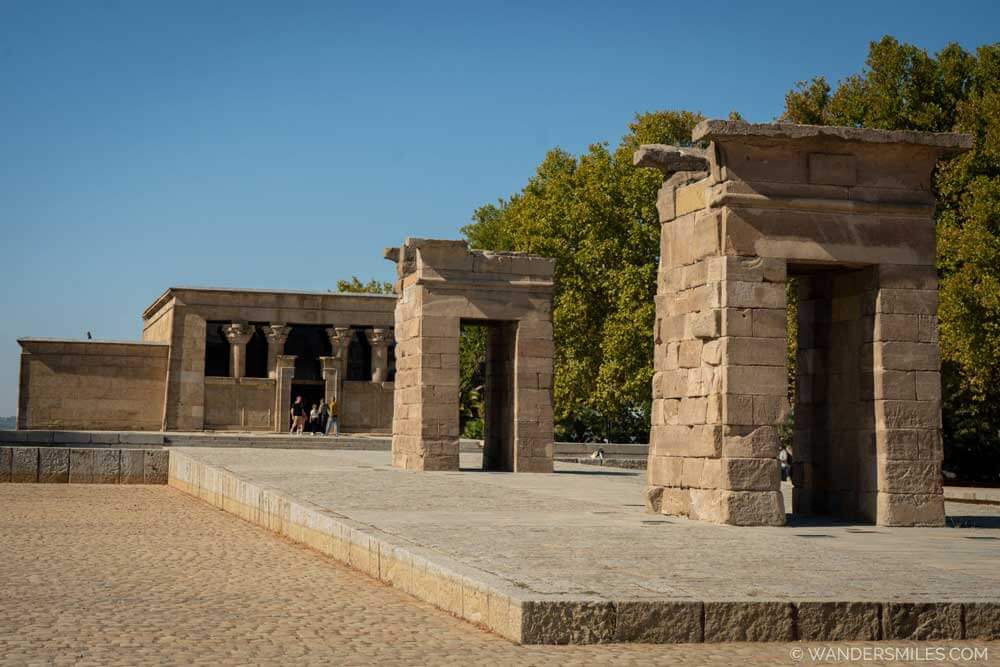
Fuelled up, we walked towards the Temple of Debod, an ancient Egyptian temple that was given to Spain in the 1960s. Its setting in a city park makes it a surprisingly atmospheric place to visit, particularly towards sunset. To get a 360° panorama sunset view in Madrid, we booked a slot at Riu Plaza España, which was the perfect way to end the day.
=> BOOK THE BEST ACTIVITIES IN MADRID OR BUY MUSEUM PASSES
Day two began with a group walking tour through Madrid’s historic centre, taking in the grand architecture before finishing in the lively Plaza Mayor.
Later, I headed to Lavapiés, where colourful street art and independent businesses offered a more contemporary contrast to Madrid’s grand historic centre. We stopped for a tapas lunch at La Musa Latina, dining al fresco in a shaded square. The traditional dishes were packed with a symphony of flavours and exactly what I needed before another afternoon of exploring.
With a tummy full of tapas, we walked it off in El Retiro, Madrid’s famous park, before spending time at the Museo del Prado, one of Europe’s great art museums, and was delighted to see The Garden of Earthly Delights five-panel triptych by Hieronymus Bosch.
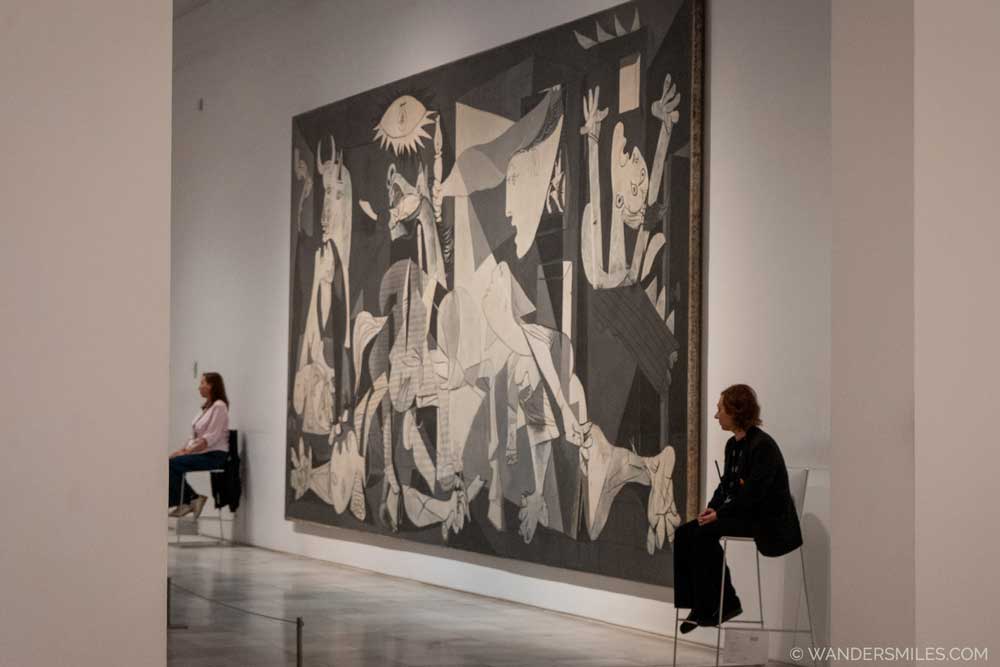
If contemporary art is more your thing, I visited the Museo Nacional Centro de Arte Reina Sofía on a previous trip, where I saw Pablo Picasso’s monumental 1937 anti-war masterpiece, Guernica. Top tip: both museums offer free entry during the final two hours before closing, although it is worth checking the current arrangements before your visit.
After a busy day of exploring, it was back to the Hotel Catalonia Gran Vía Madrid to catch the sunset from the rooftop. It was a packed two days, but Madrid proved that even with a short visit, you can squeeze in plenty of history, culture and, of course, very good food.
- Royal Palace of Madrid
- Pablo Picasso’s Guernica at Museo Reina Sofía
- La Musa Latina Restaurant, Madrid
- Egyptian Temple Of Debod
Seville: Two Nights
TOUR DETAILS IN SEVILLE: This part of the tour included train travel, accommodation with breakfast, a guided walking tour and a group dinner. This left lots of free time to explore Seville independently.
I had previously spent three days in Seville, so returning felt a little like catching up with an old friend. If Madrid feels grand and metropolitan, Seville has a more relaxed but unfiltered energy. It is also quite possibly one of my favourite cities in Spain to explore.
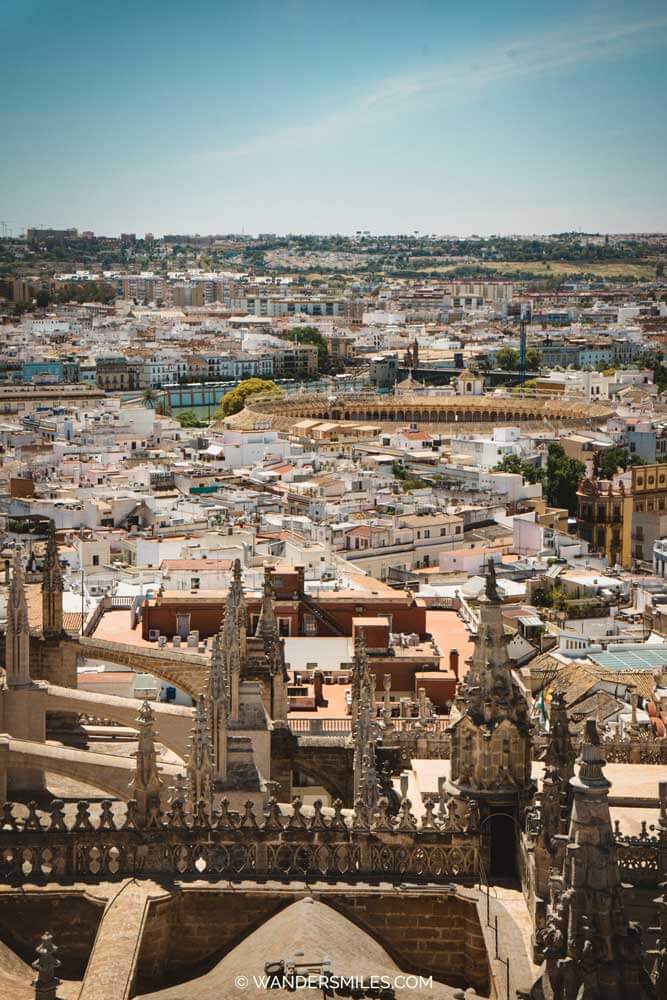
Our group walking tour took us through the historic centre before we visited Seville Cathedral. The scale of the cathedral is impressive, but make sure you also head up the belfry for views across the city. The Giralda tower was originally built as a minaret and its Islamic origins are still visible in its architecture.
We enjoyed leisurely drinks on the hotel rooftop of the 19th century Casa Romana Boutique Hotel before local dinner in El Rinconcillo has been serving up Spanish cuisine since 1670.
Day two in Seville began slowly on an eco-cruise along the Guadalquivir River. With audio commentary and no noisy engine interrupting the experience, it gave us a different perspective on Seville and some welcome time off our feet.
Back on land, Plaza de España was next. With its sweeping curves, colourful tiled details, grand open space, and the sound of flamenco performers echoing through the arches. It remains one of Seville’s must-see sights, even if you have visited before.
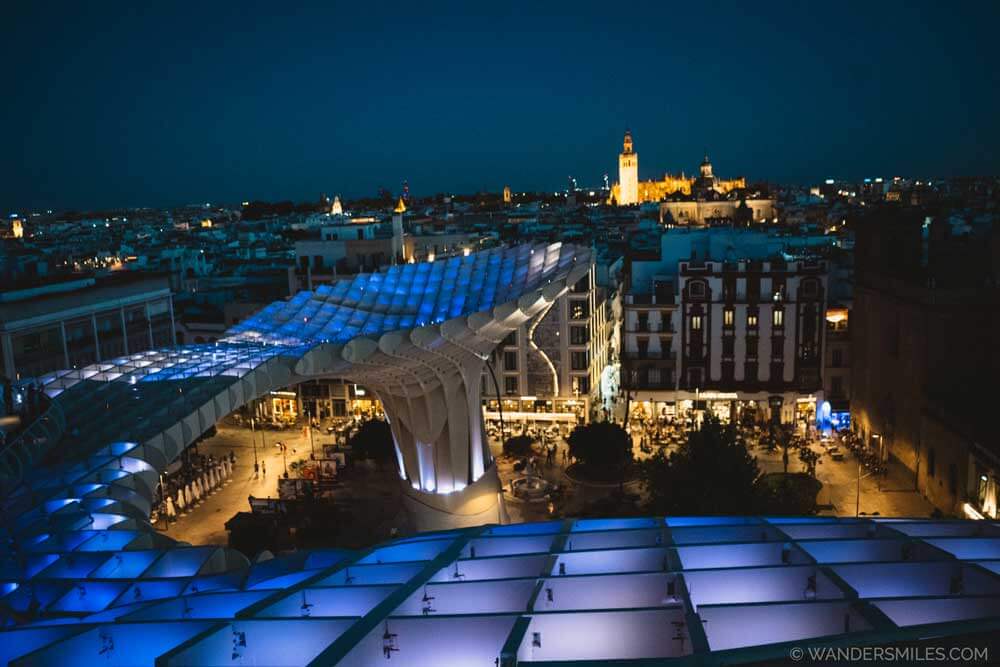
I also spent time exploring Triana, the neighbourhood across the river famous for pottery, another tapas stop for dinner, before finishing the evening at Las Setas. Officially known as the Metropol Parasol, this huge wooden structure has become one of Seville’s most recognisable modern landmarks. Book a sunset slot if you can. You will catch the city during golden hour before watching the evening light show dance across the structure which adds to the already dramatic setting.
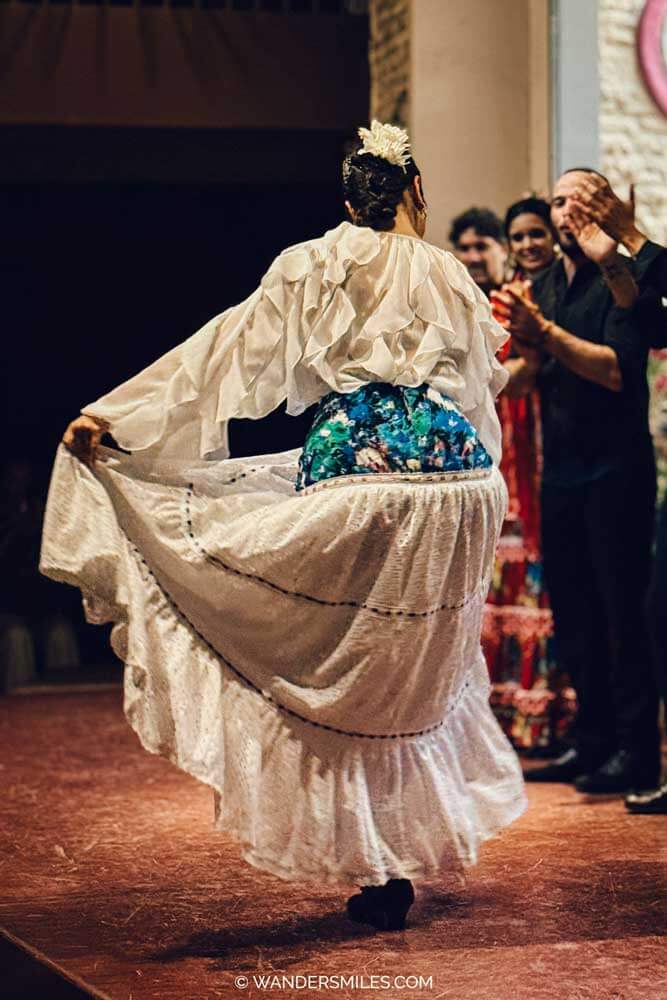
Of course, no trip to Seville would be complete without food and music. I sampled plenty of tapas and spent one evening at Casa de la Memoria watching flamenco. It was an intimate and passionate performance, and a chance to experience this important part of Andalusian culture away from a large-scale theatre production.
Whilst that brings out Seville stop to an end, I must point out that if you have never visited Seville before, the UNESCO World Heritage-listed Real Alcázar should be high on your list. This extraordinary palace complex brings together Islamic, Gothic, Renaissance and Baroque influences, while its gardens are every bit as impressive as the interiors. Tickets can sell out quickly, so make sure you book your visit to the Real Alcázar in advance.
=> BOOK THE BEST ACTIVITIES IN SEVILLE OR BUY MUSEUM PASSES
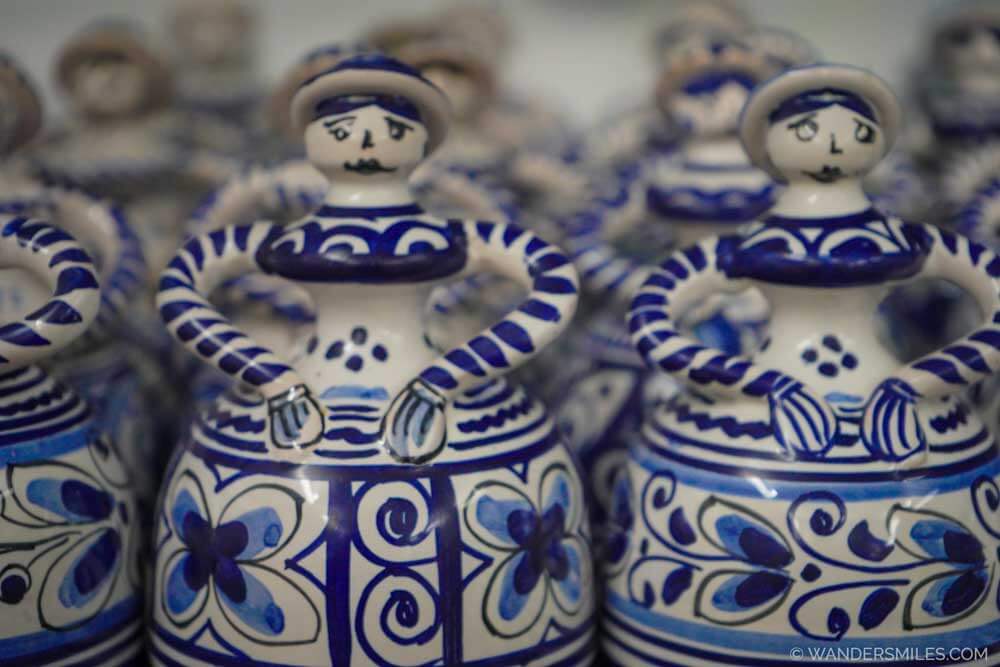
=> INTERESTED IN READING MORE ABOUT ANDALUCIA? Check out my blogs on Malaga, Antequera, Seville , Sierra Norte de Sevilla and tapas from Andalucia
Granada: Two Nights
GRANADA | TOUR DETAILS: Train travel, hotel accommodation with breakfast, a guided tour of the Alhambra and a group dinner were all included. The remaining time was yours to discover Granada.
Granada was all about history, atmosphere and, of course, the Alhambra. The city has a fascinating Moorish heritage, and you can see its influence everywhere, from the intricate architecture to the narrow, winding streets of the Albaicín.
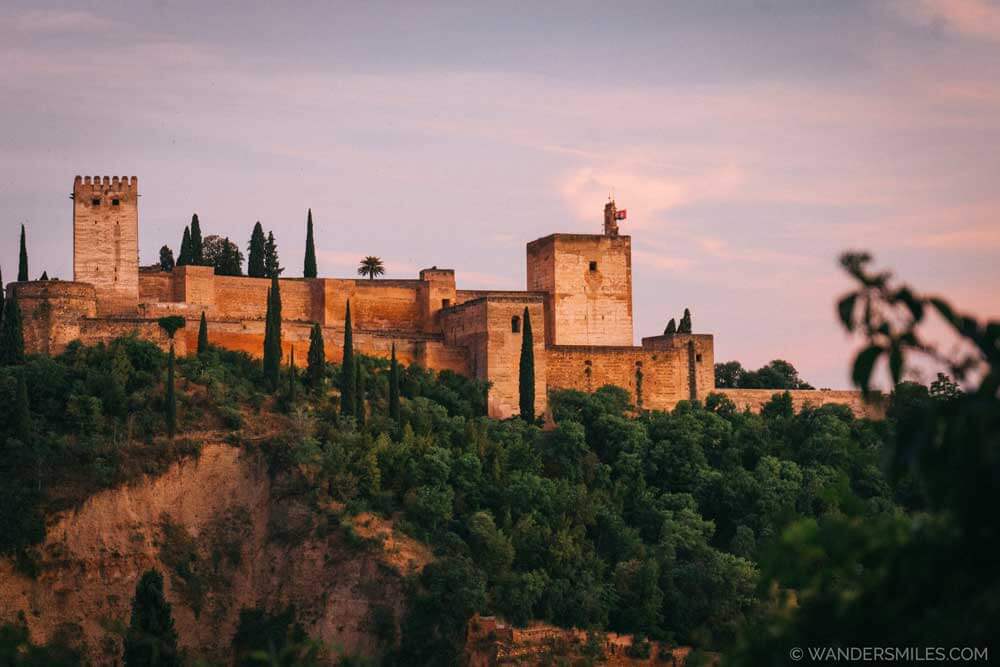
After travelling from Seville, I spent the afternoon exploring Plaza de San Nicolás, one of the best-known viewpoints over the Alhambra. From here, the vast palace complex sits against the backdrop of the Sierra Nevada mountains, and it is easy to see why this view has become one of Granada’s most photographed.
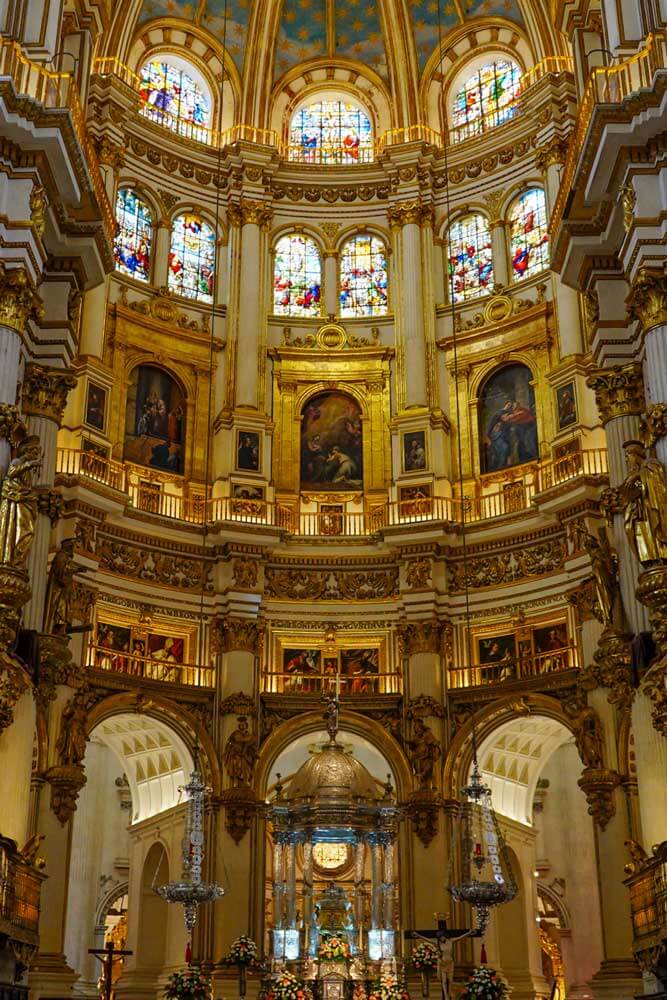
I also visited Granada Cathedral and spent time wandering through the old Moorish quarter. Make your way down to Calle Calderería Nueva, a pedestrian street at the foot of the Albaicín often referred to as “Little Morocco”. With its small shops, souk-like stalls and tea houses, it is easy to lose track of time wandering through its narrow streets.
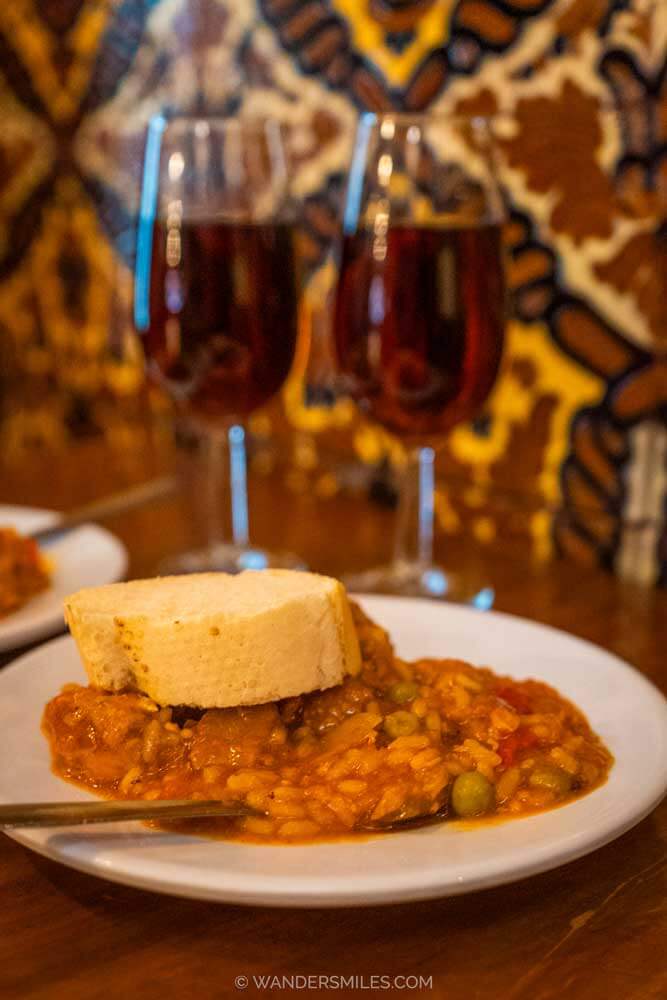
Granada also has a fantastic selection of bodegas and historic bars brimming with Andalusian character. My personal favourite was Bodegas Castañeda, where vermouth is poured straight from the barrels and the chef happily prepares tapas behind the bar. It was exactly the sort of place I love finding when travelling, full of character and buzzing with locals.
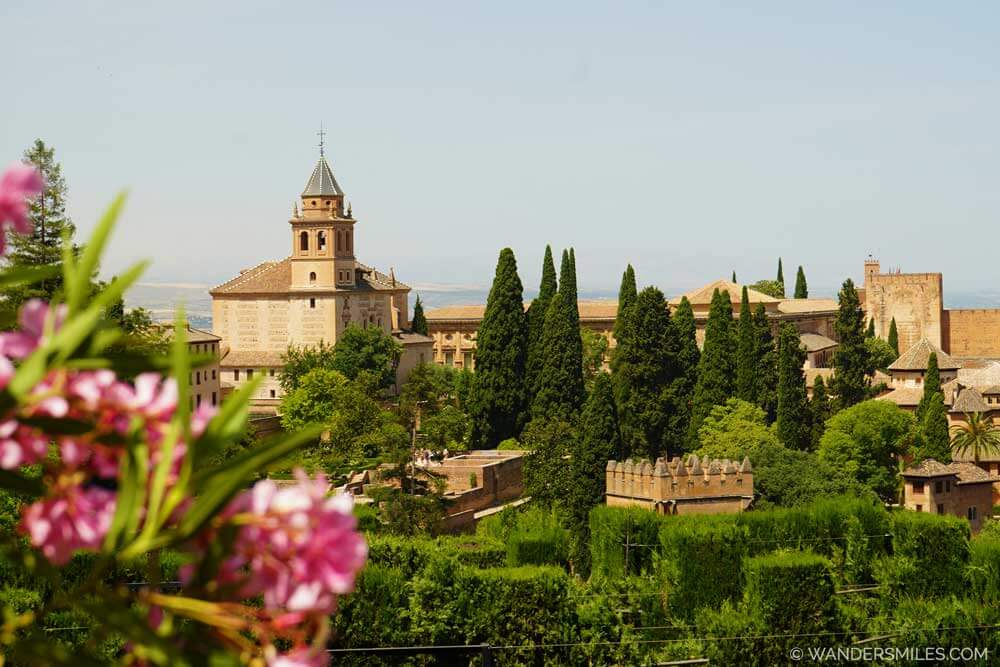
The following morning, we had a group tour of the UNESCO World Heritage-listed Alhambra. This vast palace and fortress complex is Granada’s star attraction and one of Spain’s most important historic sites. The oldest part of the royal palace complex, known as the Casa Real Vieja, dates back to the 14th century, and the intricate Islamic architecture, peaceful courtyards, gardens and detailed decoration make this somewhere you should take your time exploring.
After all that history, I had worked up quite an appetite. We stopped for lunch at Jardines Alberto, where I enjoyed a delicious Nasrid-style chicken dish before continuing with the afternoon’s exploring.
|| READ MORE ABOUT SPENDING TWO DAYS IN GRANADA
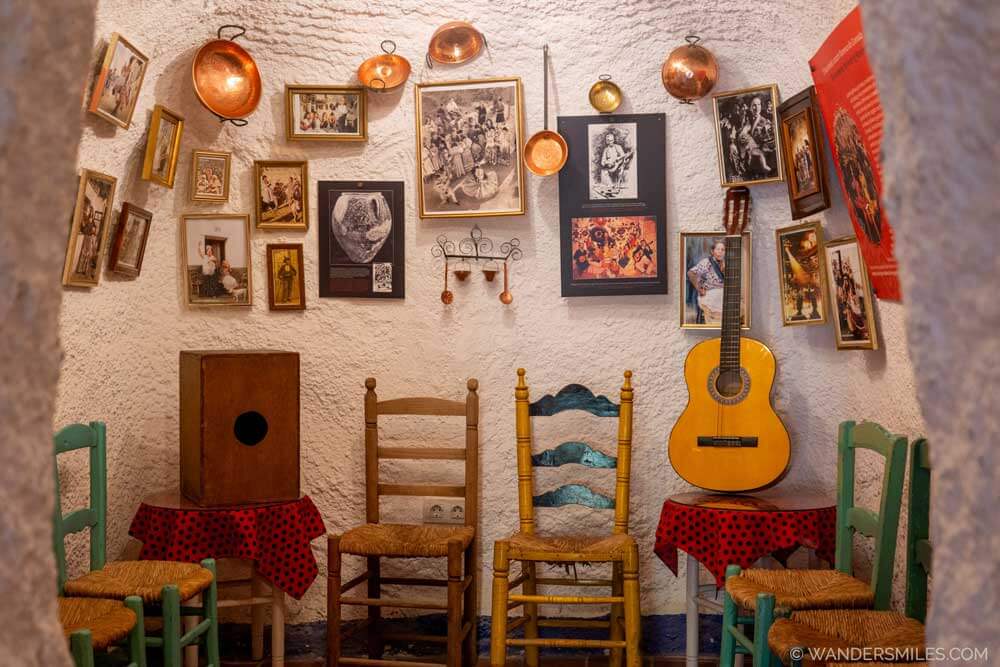
From there, we caught a taxi to the Museo Cuevas del Sacromonte, or Sacromonte Caves Museum. Here, you can explore ten recreated caves and learn more about Granada’s cave-dwelling lifestyle and its links to flamenco culture. Sacromonte is Granada’s historic Gypsy neighbourhood, where whitewashed cave houses were dug into the hillside and traditionally inhabited until the second half of the 20th century.
We then caught the bus back to the Hotel Palacio de Santa Inés to freshen up before heading out for the evening. One of my favourite experiences in Granada was dinner at Los Tomases. The food was sensational, but it was the view that made the evening particularly memorable. Watching the sun set as the Alhambra slowly lit up across the city was a pretty special way to end our time in Granada.
=> BOOK THE BEST ACTIVITIES IN GRANADA OR BUY MUSEUM PASSES
- Alhambra at Granada
- Vermouth and tapas at Bodegas Castaneda
- Capilla Mayor at Granada Cathedral
- Sacromonte Cave Museum
Cordoba: One Night
CÓRDOBA | TOUR DETAILS: This stop included the short coach journey from Granada, a hotel with breakfast and a guided walking tour of the Mezquita and Córdoba’s historic centre. Outside of this, there was free time to explore.
Córdoba was a whistle-stop visit, but even with only one night there was enough time to see some of the city’s most fascinating historic sights with Roman, Islamic, Jewish and Christian influences all visible within a relatively small area.
I set off on a self-guided adventure, starting by crossing the Guadalquivir River via the San Rafael Bridge. From there, I made a quick stop at the Alcázar de los Reyes Cristianos, the medieval fortress-palace with its impressive gardens and long history.
Next, I headed into the historic Jewish Quarter to visit Casa Andalusí, a restored 12th-century house. It sits next to the Casa de Sefarad, which houses an exhibition exploring Judeo-Spanish traditions and culture. Sadly, it was closed when I visited, but it is firmly on my list for a return trip.
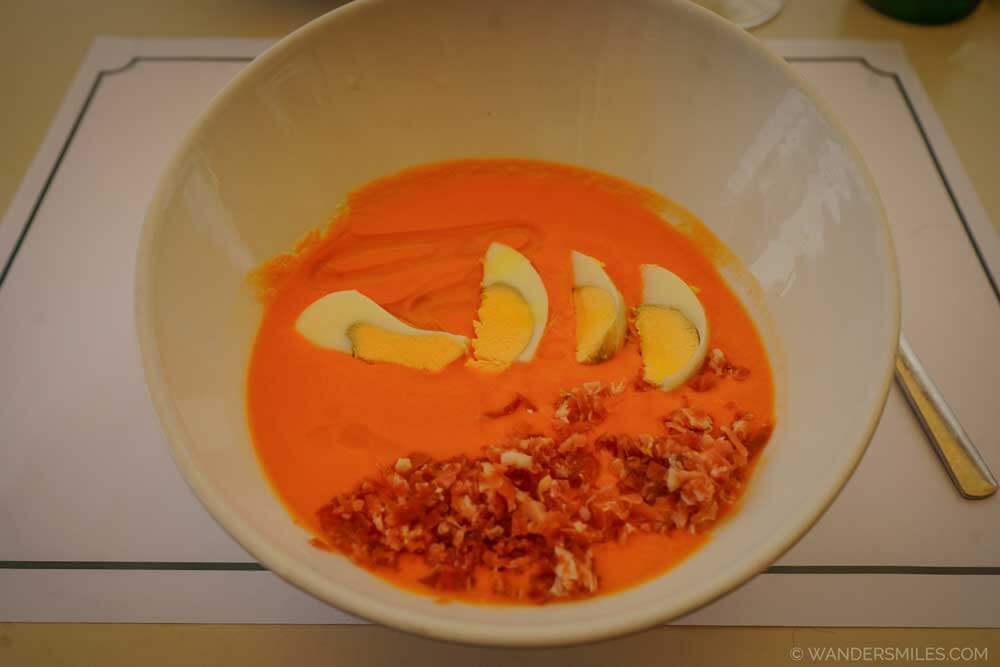
Food was naturally part of the experience. Lunch included salmorejo, a traditional cold tomato soup from Córdoba. This creamy Andalusian classic, served chilled, was exactly what I needed after walking around the city in the Spanish heat.
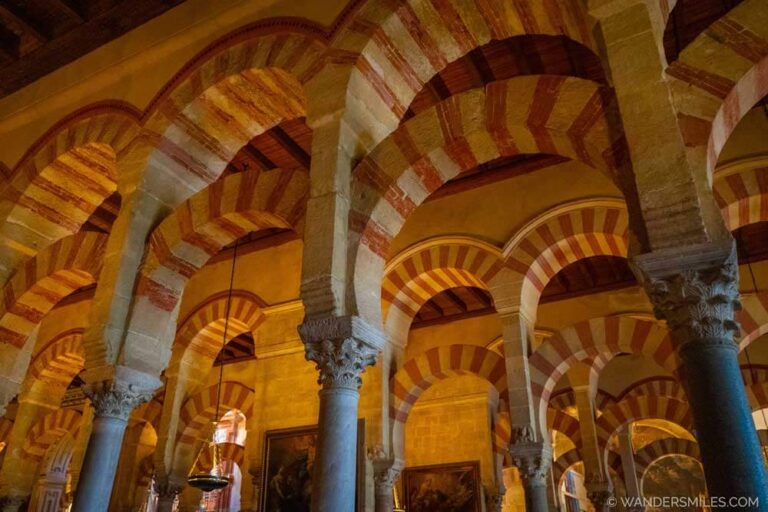
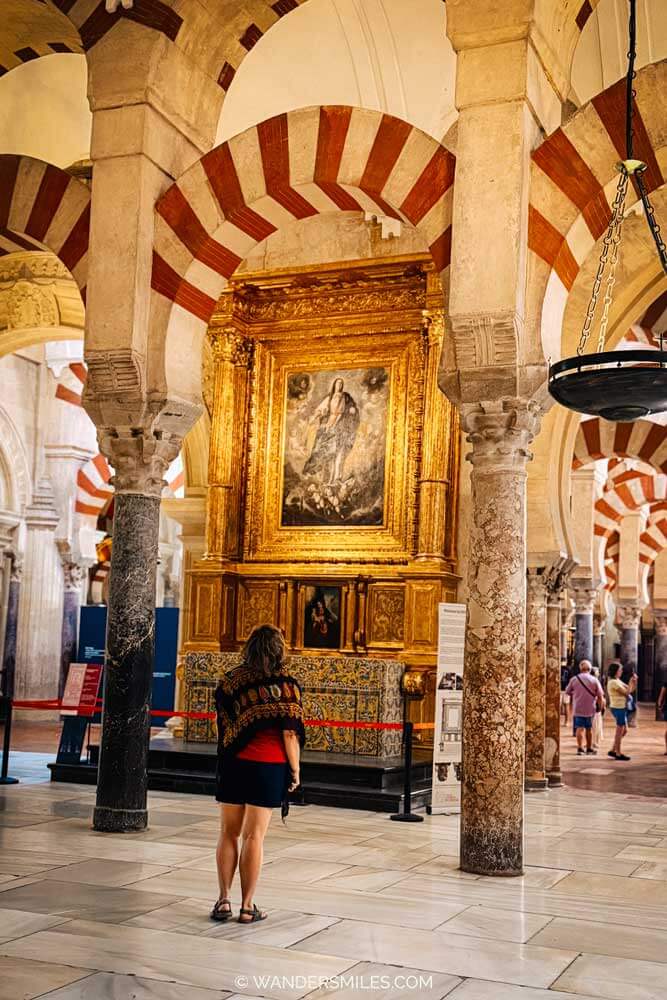
Before I get into the rest of Córdoba, the Mezquita-Catedral deserves a moment of its own. It was nothing short of magnificent and, honestly, completely blew my mind. This extraordinary building is one of Spain’s most remarkable historic sites, with its famous rows of red-and-white arches and a fascinating story. What struck me most was learning more about how different communities and faiths co-existed in the city over centuries, leaving their mark on the architecture and culture we see today.
|| READ MORE ABOUT SPENDING ONE DAY IN CORDOBA
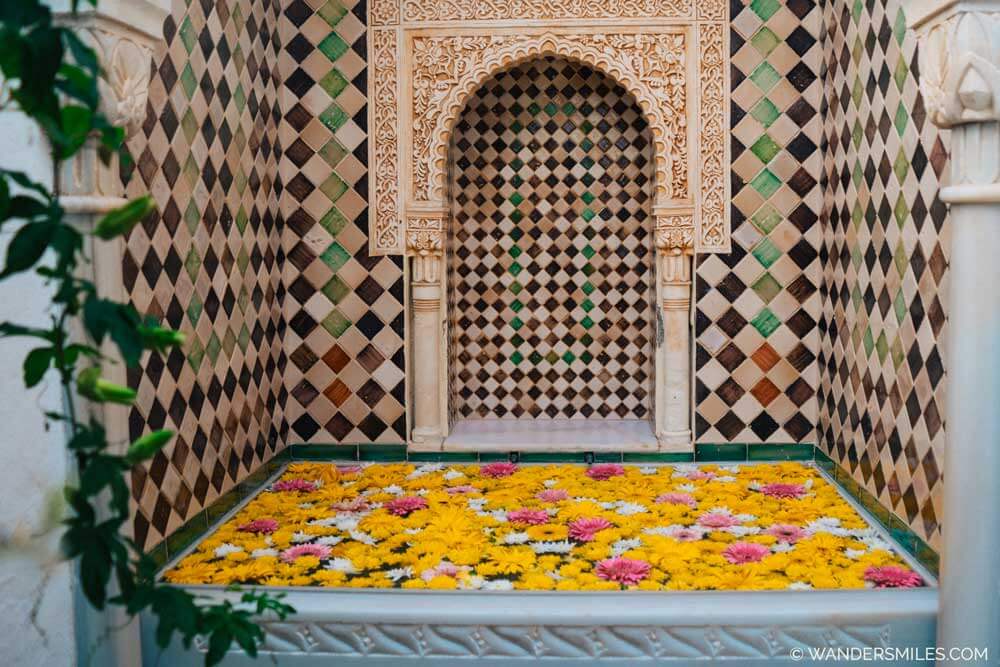
The walking tour also took us through Córdoba’s famous patios. The city is known for its traditional courtyards, many filled with flowers, plants and colourful tiled decoration. There is clearly a huge sense of pride attached to them. Our guide summed it up rather humourously: “We don’t persecute you because of your religion. Just if your patio sucks.”
We also visited a local leather workshop where traditional craftsmanship is still used to create leather goods decorated with Córdoba-inspired designs. It was a nice opportunity to see a more local side of the city and support an independent craft business.
Dinner at Restaurante El Burlaero rounded off our short stay. Hidden in a small courtyard, we enjoyed traditional dishes including smoked sardines and grilled peppers before heading back towards the river.
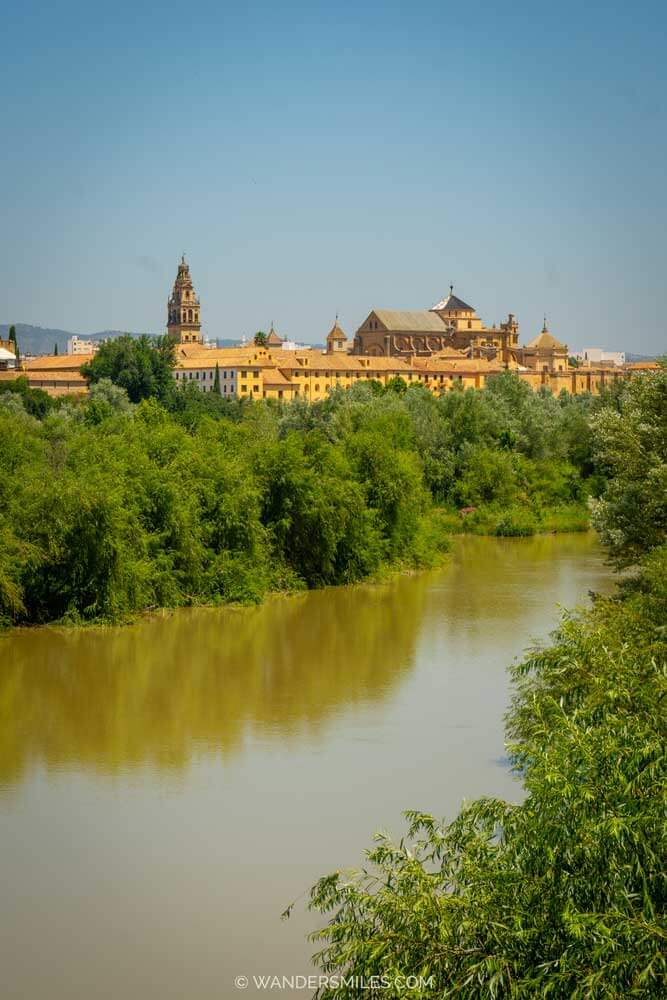
We then ambled across the Roman Bridge, originally built in the first century BC, before returning to the Hesperia Córdoba Hotel. Cocktails with sunset views across to the Mezquita-Catedral felt like the perfect way to end our evening in Cordoba.
=> BOOK THE BEST ACTIVITIES IN CORDOBA OR BUY MUSEUM PASSES
Barcelona: Two Nights
BARCELONA | TOUR DETAILS: Train travel and hotel accommodation with breakfast were included, along with a group dinner on our final night. The rest of our time was free to explore Barcelona.
An afternoon in Barcelona
Barcelona was supposed to give us two full days to explore, but the Pope’s visit meant our plans had to change. Road closures and restrictions cut our time in the city down to just one afternoon.
Rather than trying to cram a long list of attractions into a few hours, I opted for a self-guided walking tour. It felt like the best way to experience Barcelona, as so much of the city’s appeal lies in wandering through its streets and stumbling across something unexpected.
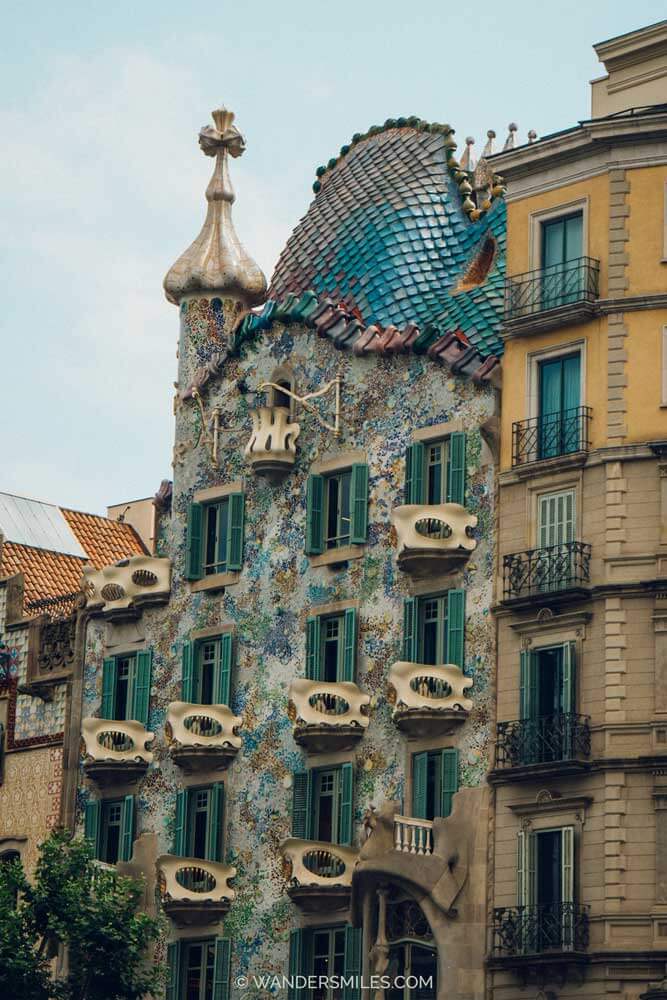
I started along Passeig de Gràcia, where some of Gaudí’s most recognisable architecture sits alongside the city’s elegant Modernista façades. Even without stepping inside every landmark, it is easy to see why Barcelona has become one of Europe’s most distinctive cities architecturally.
From there, I headed into the Barri Gòtic, Barcelona’s Gothic Quarter, where the city’s older history comes alive through a maze of medieval and Roman alleyways, hidden corners and atmospheric plazas. I continued towards the Arc de Triomf, built as the main entrance to the 1888 Barcelona Universal Exposition.
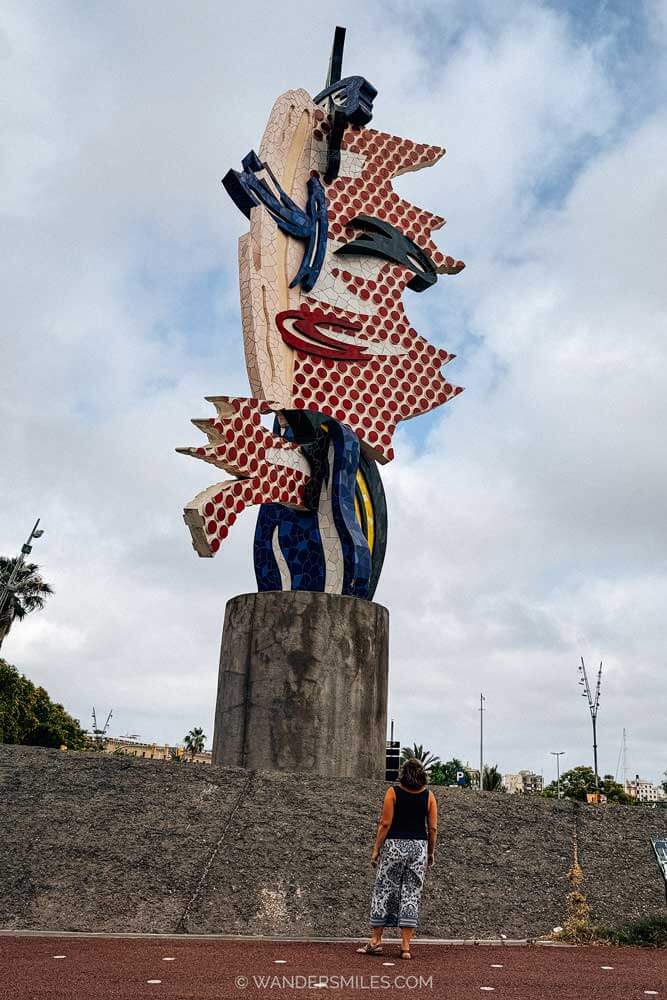
Barcelona’s mix of historic and contemporary art was also clear along the waterfront near Port Vell, where I came across Cara de Barcelona, or Face of Barcelona, a colourful pop art sculpture by Roy Lichtenstein.
Of course, all that walking called for a food stop. I headed to Can Paixano, better known locally as La Xampanyeria, in the old fishermen’s quarter. This Barcelona institution has been serving cava and tapas since 1969, and its budget-friendly prices make it a popular hangout.
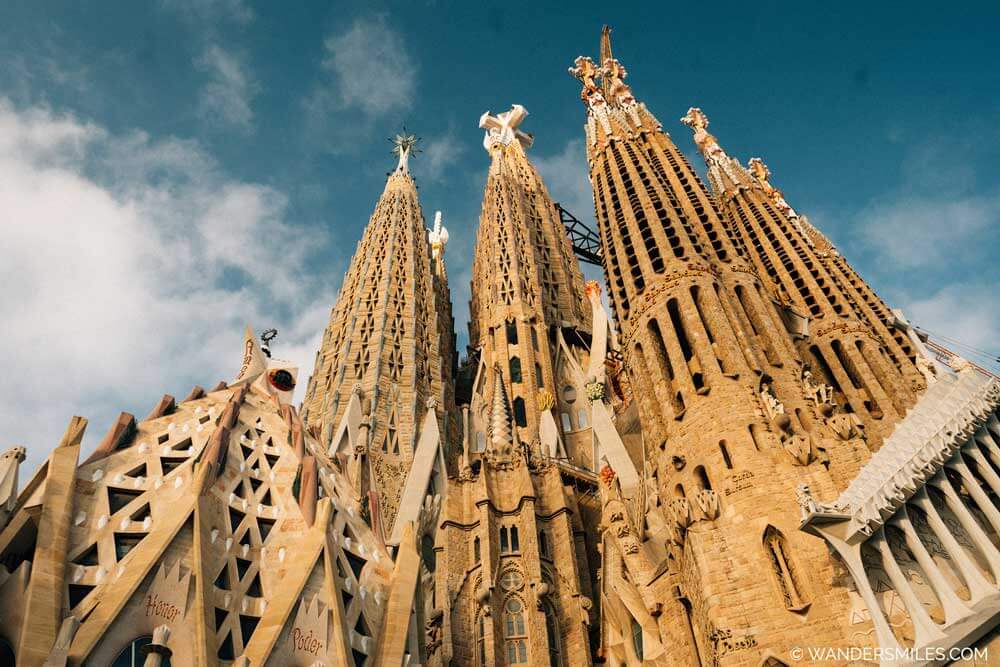
We were unable to visit the Sagrada Família because of the temporary closure, so I had to settle for seeing Gaudí’s extraordinary basilica from the outside. It was disappointing not to step inside, but the circumstances were beyond anyone’s control.
Our final food stop was Pagano, where the padrón peppers and anchovies, accompanied by a glass of vino tinto, made the perfect nightcap before heading back to the Hotel Catalonia Gracia. It may have been a much shorter visit than planned, but even one afternoon was enough to remind me why Barcelona deserves far more time than we had.
=> BOOK THE BEST ACTIVITIES IN BARCELONA OR BUY MUSEUM PASSES
- Sagrada Familia designed by Antoni Gaudí
- Casa Batlló by Antoni Gaudí
- Cara de Barcelona (Face of Barcelona) by Roy Lichtenstein
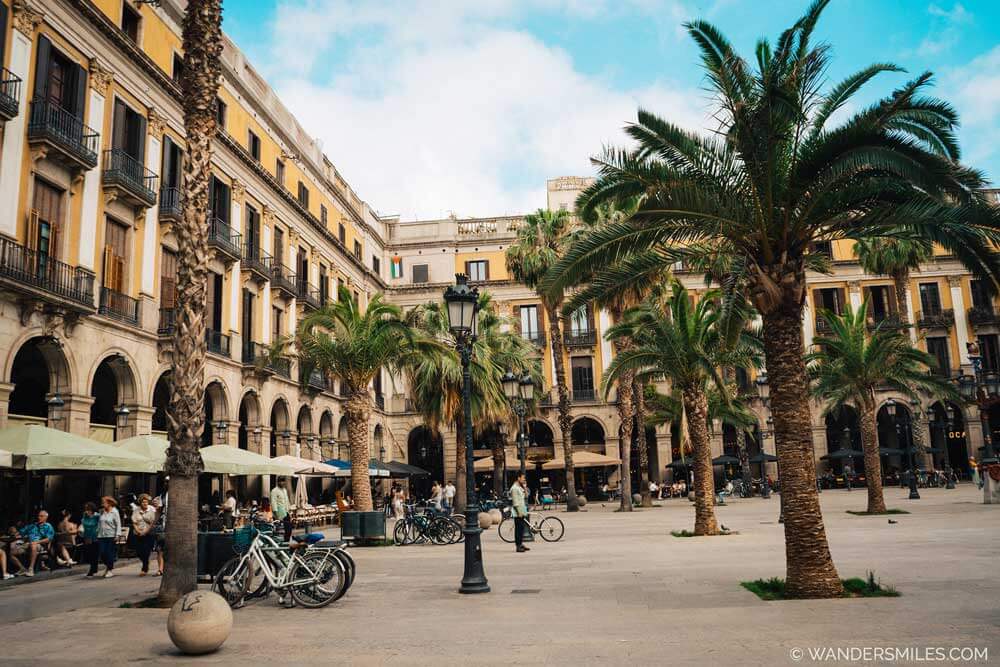
- Plaça Reial in Barcelona’s Gothic Quarter
Girona: An Unexpected Bonus
GIRONA | TOUR DETAILS: Our day trip to Girona included coach travel from Barcelona and a guided walking tour. After that, we had free time to wander the city and explore at our own leisure.
When our Barcelona plans changed due the Pope’s visit, Girona was added to the itinerary. Sometimes an unexpected change turns out to be one of the best parts of a trip, and that was certainly the case here. I had never visited Girona before, I was more than happy with the change.
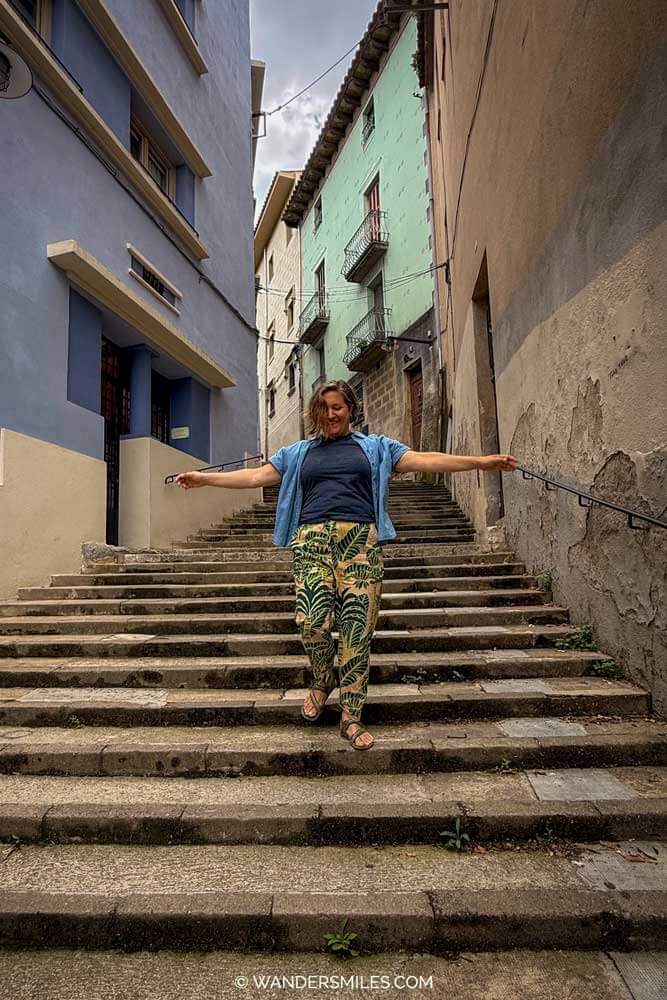
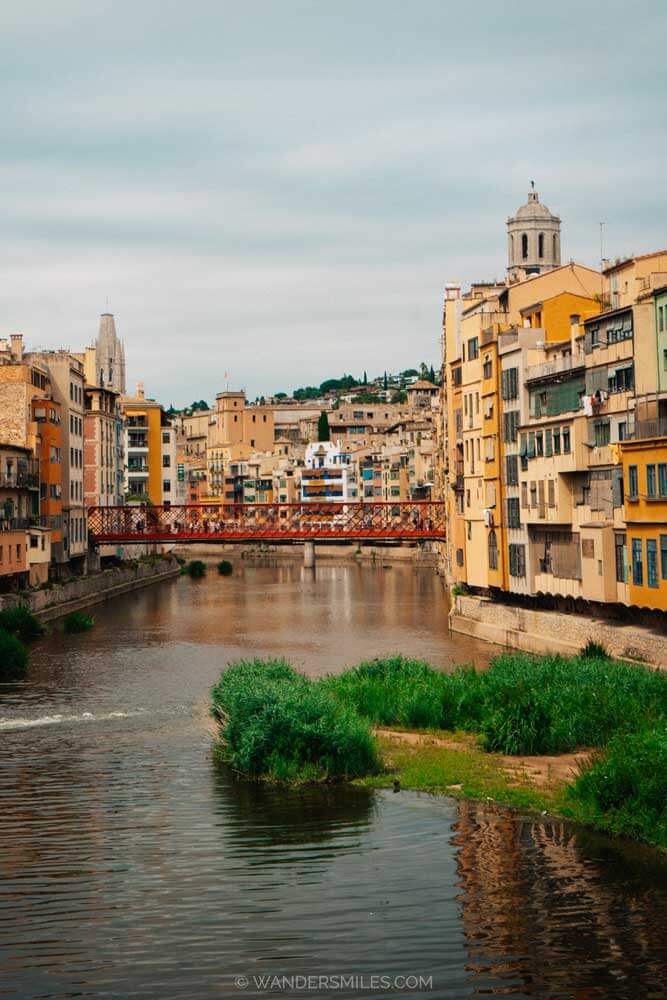
Girona is an easy city to explore on foot, although some of its steep steps will certainly get your legs working! Its history stretches back more than 2,000 years to Roman times, and over the centuries the city has been shaped by Romans, Visigoths, Moors, Franks and the Counts of Barcelona. Even its cathedral site reflects this changing past, having previously been home to a Roman temple and later a Muslim mosque.
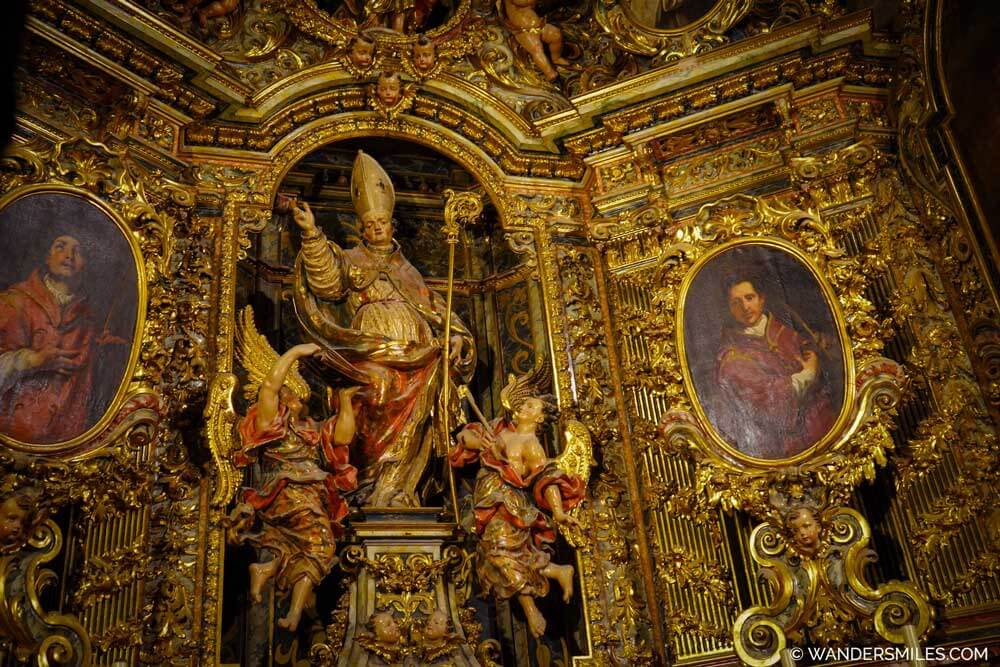
We visited Girona Cathedral, an imposing landmark overlooking the old town. Inside, its vast Gothic nave is particularly impressive, while the Romanesque cloister dates from the second half of the 12th century, around 1190, offering a quieter contrast to the grandeur of the cathedral.
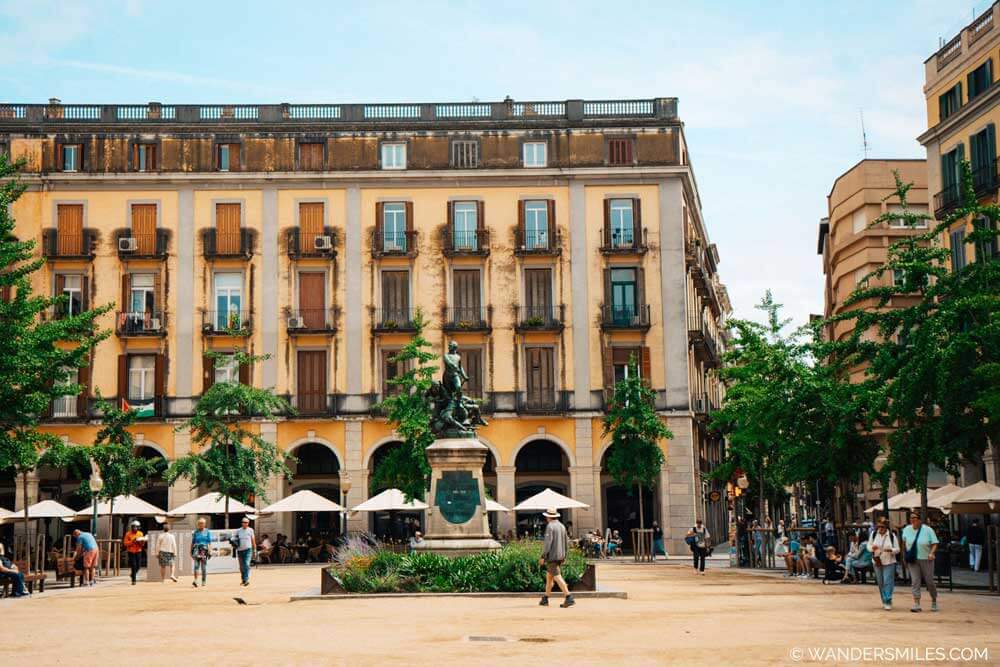
I also enjoyed wandering through the neoclassical Plaça de la Independència, built on the site of the former convent of Sant Agustí. Look closely as you explore the city and you may spot small fly sculptures dotted around Girona. They have a rather unusual story behind them and represent the city’s patron saint, Sant Narcís.
According to a legend dating back to 1285, a swarm of giant, miraculous flies emerged from the tomb of Saint Narcissus inside the Basilica of Sant Feliu. The flies attacked the invading French troops, helping to drive them out of the city. It is one of those wonderfully bizarre pieces of local history that makes exploring Girona even more entertaining.
Naturally, exploring Girona worked up an appetite, so we made a couple of delicious tapas stops. One of my favourites was La Fabrica, run by a bike-loving couple who source locally and create colourful, delicious dishes that look almost too good to eat. Almost!
For history lovers, Girona makes a great addition to a Spanish rail itinerary. It is also compact enough to explore on foot, making it particularly easy to enjoy as a day trip from Barcelona.
=> BOOK THE BEST ACTIVITIES IN GIRONA OR BUY MUSEUM PASSES
Is Spain by Train Worth It?
After travelling through Madrid, Seville, Granada, Córdoba and Barcelona, I would definitely consider travelling around Spain by train again. The biggest advantage was being able to connect several very different cities without the hassle of driving between them.
A tour such as Great Rail Journeys also takes care of the practical details. Hotels, rail journeys, transfers and many of the tours were organised, leaving me free to concentrate on exploring. When unexpected changes came up, such as the disruption to our Barcelona itinerary, there was also someone there to manage the logistics.
The schedule is busy, particularly if you enjoy exploring beyond the main attractions. Two nights in a city sounds reasonable until you realise how much there is to see. Córdoba, in particular, deserves longer than the one night we had. Barcelona also felt unfinished because of the itinerary change.
But if your priority is seeing several of Spain’s most iconic historic cities in one trip, travelling by train is a practical and enjoyable way to do it. You get a taste of Madrid’s art and history, Seville’s Moorish architecture and flamenco, Granada’s extraordinary Alhambra, Córdoba’s multicultural heritage and Barcelona’s Gaudí architecture, with Girona providing an unexpected extra.
For me, the biggest appeal was being able to step off the train and straight into the next chapter of Spain’s history. And with plenty left unexplored, I suspect this won’t be my last Spanish rail adventure.
|| FOR MORE DETAILS: CHECK GREAT RAIL JOURNEYS WEBSITE
Thank you to Great Rail Journeys for supporting my passion for train travel and giving me the opportunity to show my readers what it’s like to explore Spain by train with a group tour. As always, all opinions are my own.
PIN to travel Spain by Train
Disclosure: This post contains affiliate links, which means I may receive a small commission if you click a link and purchase something that I’ve recommended. It comes at no cost to you. Thank you for your support.