Olive Oil Tourism in Andalusia: Best Jaén Oleoturismo Travel Guide
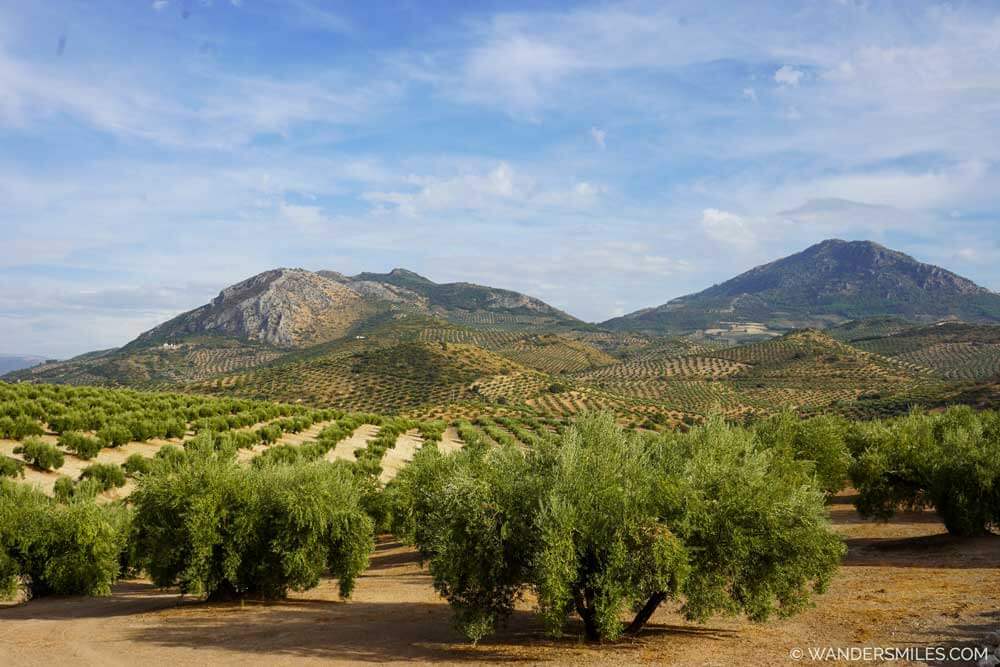
Olive oil tourism in Jaén takes you beyond the bottle and into the landscape behind it. Across this corner of northeastern Andalusia, olive groves cover the hills, country estates welcome visitors for tastings, and former railway lines offer a way to explore on two wheels.
Known as oleoturismo, this is a journey built around olive oil, but there is much more to fill your days. Between mill visits, you can step inside Jaén’s Arab baths, explore the historic streets of Martos and admire the Renaissance architecture of Úbeda and Baeza.
It helps to know that Jaén is both a city and a province. The city is a fulfilling cultural stop, while the wider province is where you will find the vast “sea of olive groves” that has earned this region its reputation as the olive oil capital of the world.
If your ideal trip combines local food, historic towns and time in the countryside, here is how to plan a journey exploring olive oil tourism in Andalusia.
For any new readers landing here, I’m Vanessa, and I’m all about helping travellers explore more responsibly. I share my own experiences with tips on local history and culture, outdoors and wildlife, and independent businesses to support the people who live there.
MY TOP TIPS: If you’re planning to visit, I’d check out the fabulous tours in Jaén province. To explore more of Andalucia, you may like to read about Malaga, Seville, Antequera, Cordoba and Granada. If local food is your thing, find out more about Andalucian Tapas.
Olive Oil Tourism in Andalusia
What Is Oleoturismo?
Oleoturismo means olive oil tourism. It brings together visits to olive groves and mills, tastings and experiences that explain the culture surrounding olive oil production. In Jaén, that might mean comparing traditional presses with modern milling equipment, learning about local olive varieties or tasting extra virgin olive oil with a producer.
You do not need to be an expert to enjoy it. A guided visit gives you a starting point for understanding something you may use every day, from how the fruit is harvested to the flavours in the finished oil.
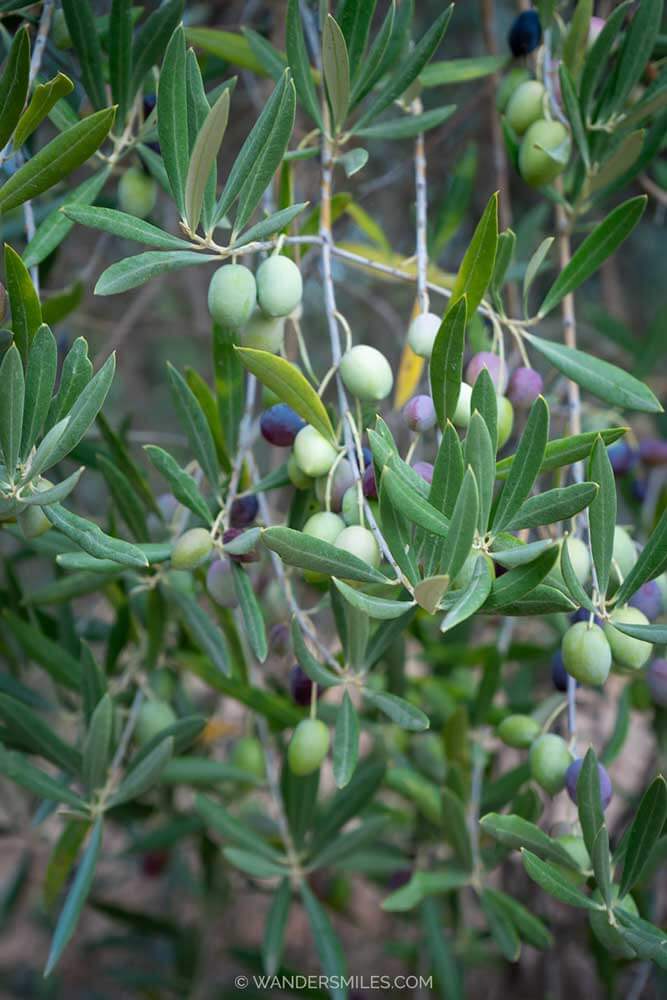
The olive variety to get acquainted with in the Jaén province is Picual. It dominates local production and is known for its aromatic character, bitterness and peppery finish. A tasting is a chance to notice those qualities rather than treating olive oil as a background ingredient

Why Jaén Is the Olive Oil Capital of the World
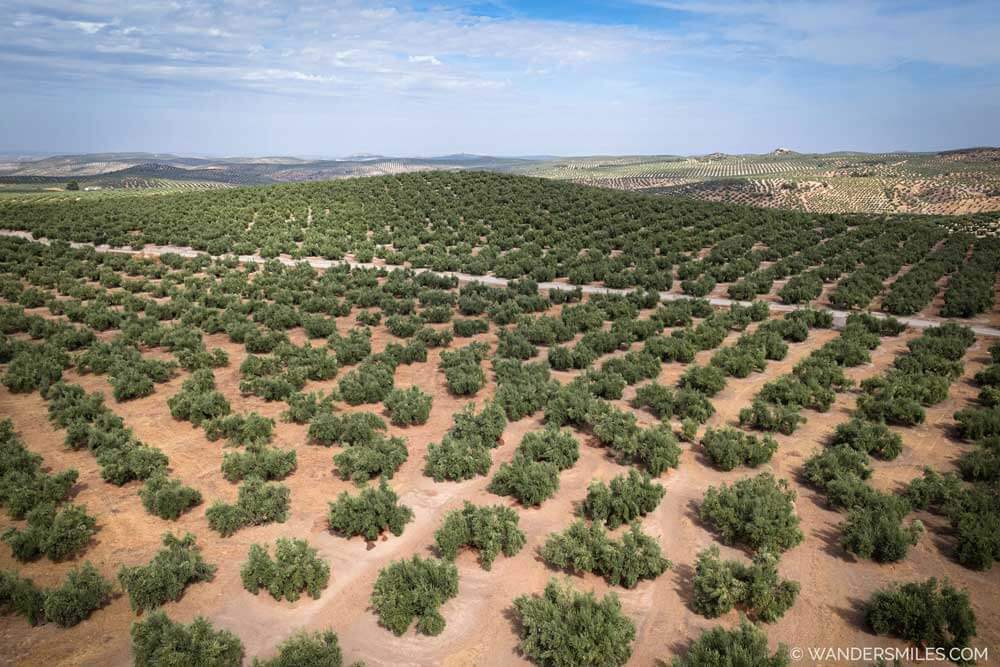
Olive oil tourism in Andalusia is big business and the scale of olive growing in Jaén province in particular is extraordinary. It is considered the world’s largest olive oil-producing region, with a crazy count of olive trees spread across the landscape.
Those numbers become easier to appreciate when you travel between towns. The groves are not confined to a single attraction or estate. They are the setting for much of the journey.
Five Olive Oil Facts About Jaén
- The province has more than 66 million olive trees. That is more trees than there are people in Spain.
- Jaén produces a substantial share of the world’s olive oil. Commonly quoted figures range from around 20% to 25%, although its actual share changes with each harvest.
- Its output can exceed Italy’s. This single province can produce more olive oil than Italy as a whole, but the comparison depends on the harvest year.
- Picual is the dominant variety. This accounts for over 90% of the region’s olive groves, which are processed either by family-run producers or major cooperatives such as Picualia.
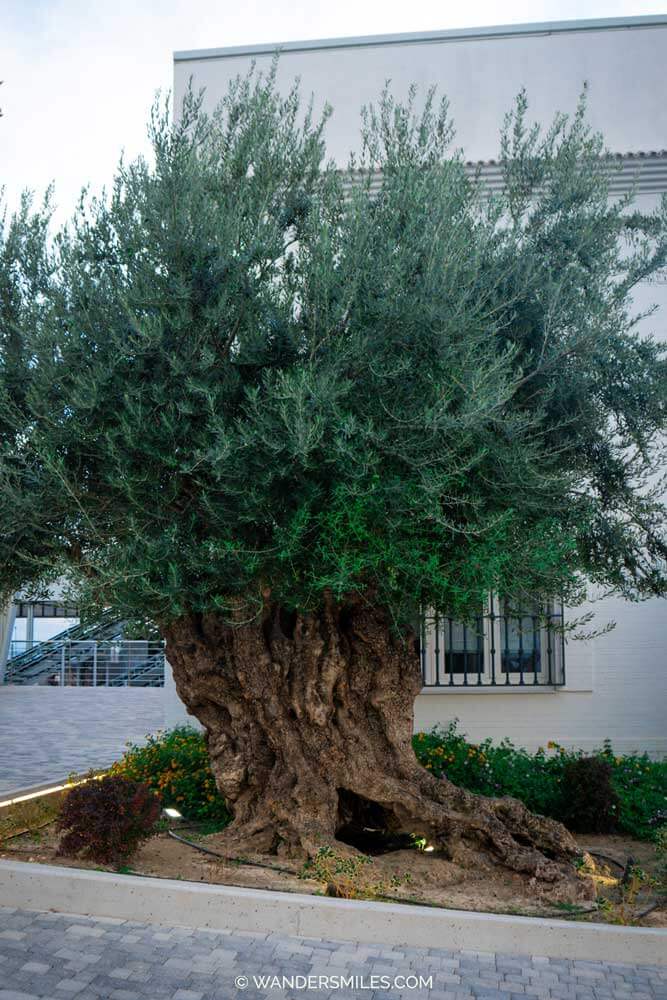
- Some olive trees are more than a millennium old. The olive tree of Fuentebuena has been declared a Natural Monument by the Junta de Andalucía and still produces olives. Around Martos, many trees are centuries old.
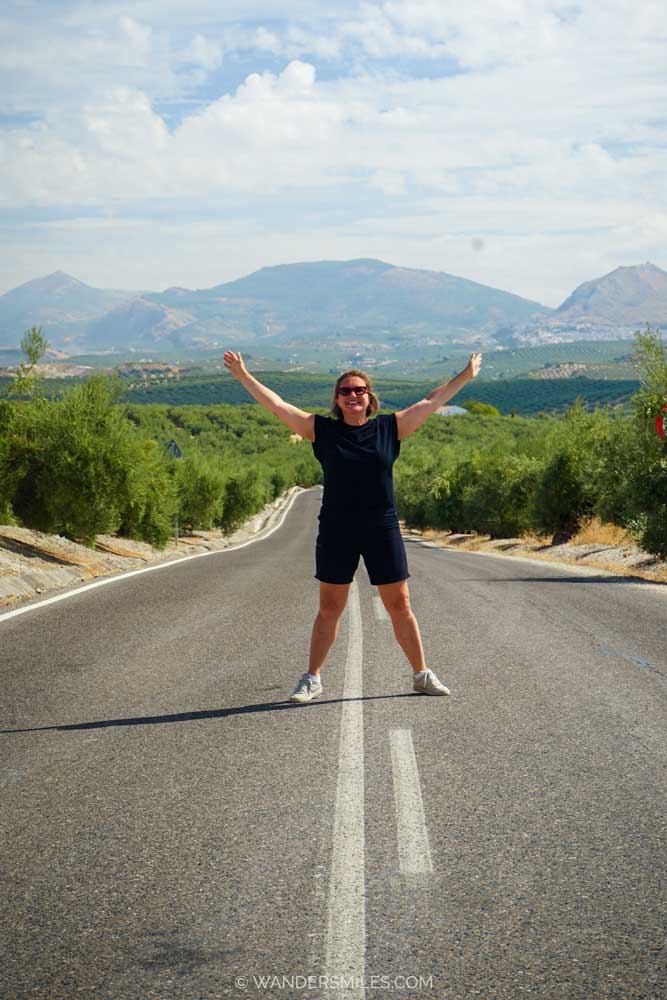
 Road through the endless olive oil groves in Jaen
- Picual olive tree in Jaen
Things to Do in Jaén Province
Explore the City of Jaén
Before venturing into the olive groves, get to know Jaén with a wander through its historic centre and old Jewish Quarter. The city developed around the Magdalena fountain, which also features in the legend of the Lizard of Jaén, a fearsome creature said to have terrorised the neighbourhood. A local guide can bring the story to life, and you might start spotting lizard symbols around town afterwards.
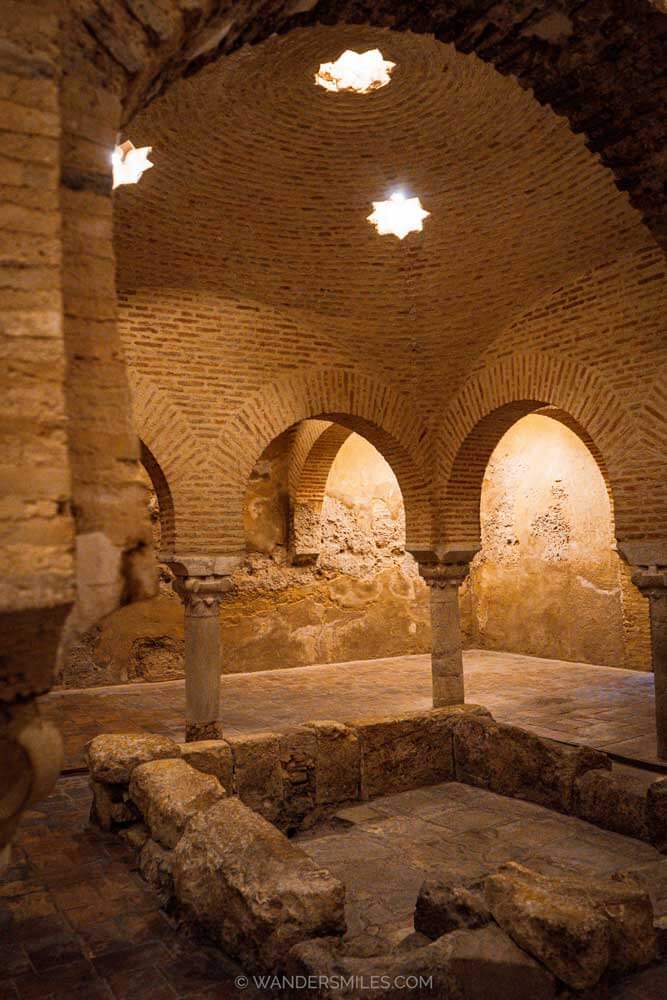
One of the city’s most fascinating sights lies beneath Villardompardo Palace. The 11th-century Arab baths have cold, warm and hot rooms, with graceful arches and star-shaped openings overhead. Supplied with water from the Magdalena fountain, they were once places to wash and socialise. Later used as a tannery and eventually buried beneath the palace, the baths were restored in a project that earned a Europa Nostra award in 1984. The palace also houses museums of naïve art and local traditions.
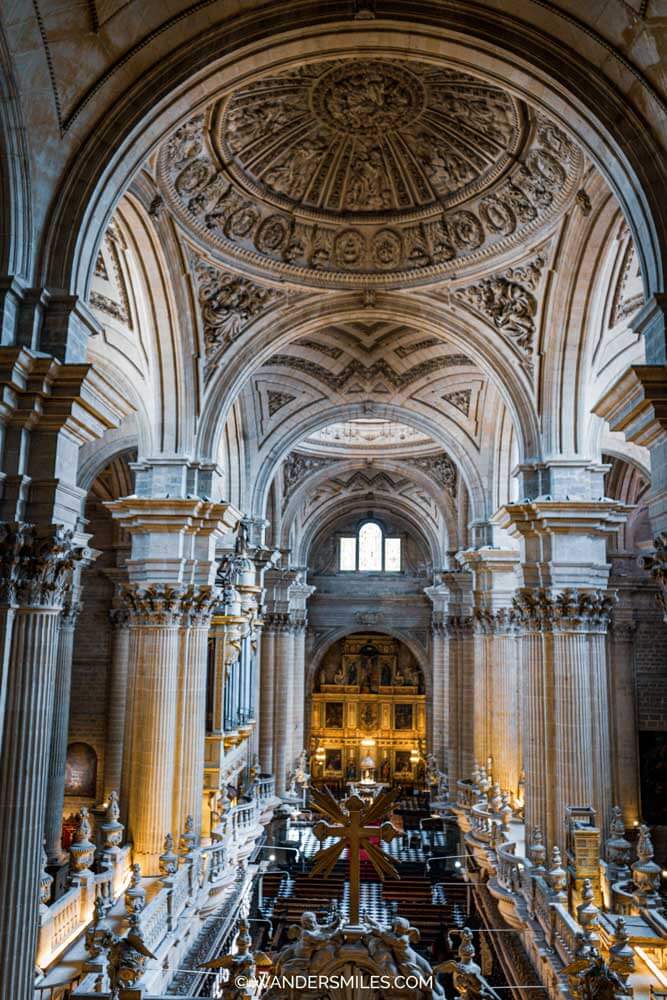
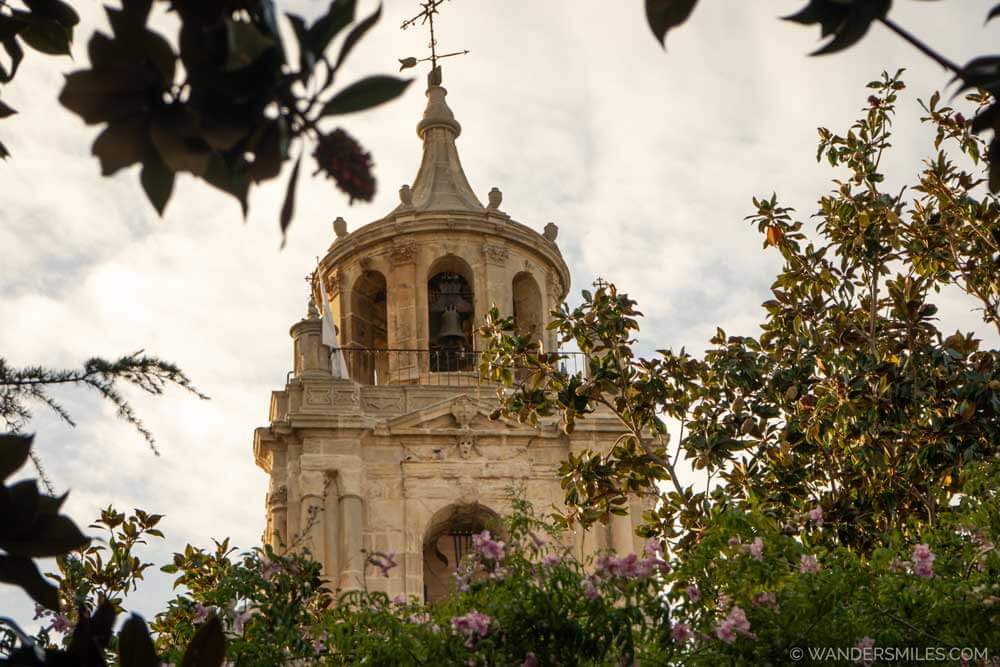
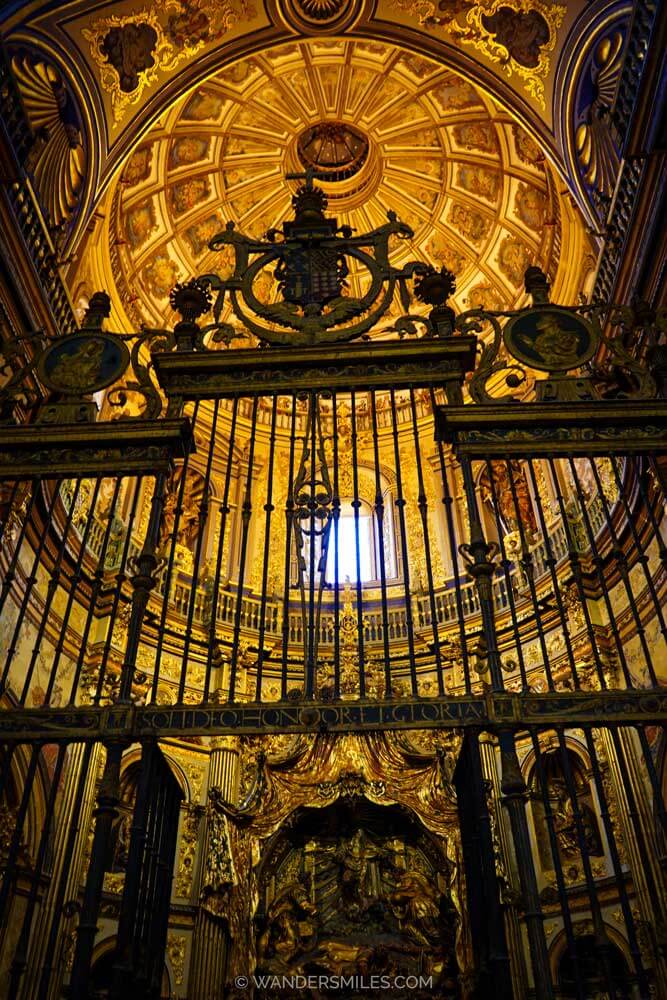
Jaén Cathedral is another must-see, with an imposing façade and a light-filled interior of ornate columns, vaulted ceilings and intricately carved choir stalls. Its Renaissance architecture is closely associated with Andrés de Vandelvira, but one of its most intriguing details is the balconies. These were used to display the Santo Rostro, or Holy Face, a revered relic traditionally linked to Veronica’s cloth, allowing crowds to see it and receive blessings extending to the city and surrounding farmland.
Leave time for a good meal, too. Jaén’s Michelin-starred dining scene includes Bagá, Dama Juana, Malak and Radis, offering plenty of choice for a special evening. But enjoying the local food need not be elaborate. Fresh bread with the region’s extra virgin olive oil is a simple introduction to the ingredient at the heart of this journey.
- The Arab Baths of Jaén (Baños Árabes de Jaén)
- Interior of Jaen Cathedral
Discover the Historic Town of Martos
Start in Plaza de la Constitución, the historic heart of Martos, where the town’s Iberian, Roman and medieval past comes into focus. The town hall incorporates Roman remains, an interesting detail you might miss without a guide pointing them out. Spend a little time exploring the square and surrounding streets before heading into Santa Marta Church.
The church brings together the restrained style associated with the Order of Calatrava and later Renaissance work by Francisco de Castillo. Look out for the carved doorway, coats of arms and gargoyles outside. Inside, the tombs of the Carvajal brothers introduce one of Martos’s darker legends: the brothers are said to have cursed King Ferdinand IV before their execution.
Nearby, the Monastery of the Holy Trinity connects Martos with the Mozarabic pilgrimage route to Santiago de Compostela, offering accommodation for pilgrims. The nuns also preserve the tradition of making convent sweets, so ask about buying some during your visit.
Visit Cortijo El Madroño Near Martos
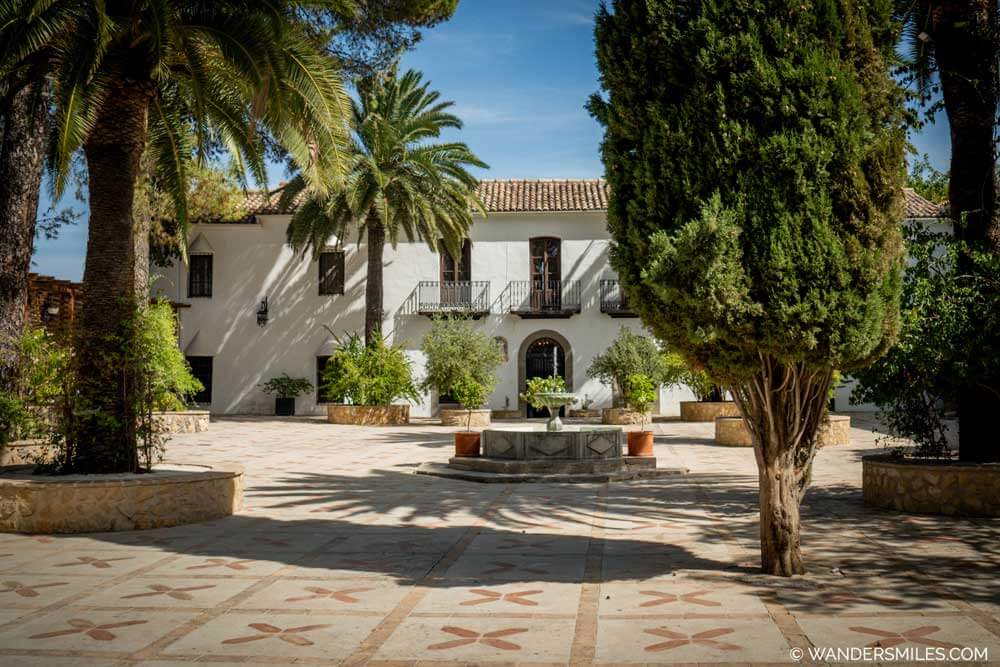
For a peek into Jaén’s olive oil heritage, visit Cortijo El Madroño, a family-owned, 19th-century estate around eight kilometres from Martos. Once a lively community of more than 300 people, including blacksmiths, carpenters and their families, it is now a much quieter place to explore.
Visit the olive oil mill and museum to discover how production has changed over the years, then enjoy an olive oil tasting or a traditional miller’s breakfast. It is a chance to connect the estate’s history with the flavours that still define the region.
Cycle the Olive Oil Greenway
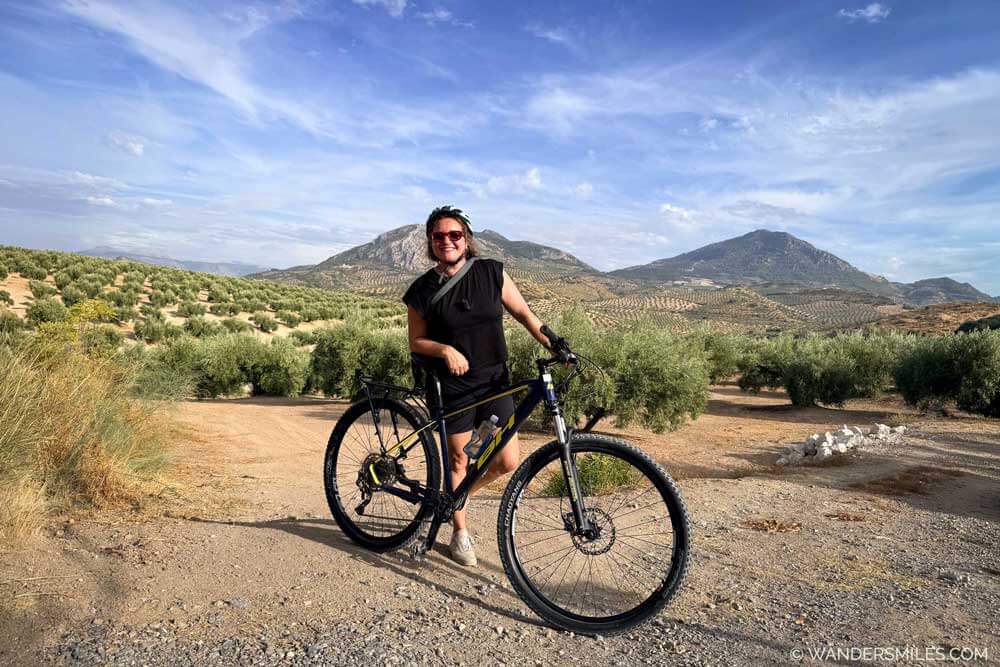
The Vía Verde del Aceite, or Olive Oil Greenway, is a wonderful way to explore the countryside at a slower pace. Following a former railway corridor, it passes through olive-growing landscapes and crosses historic metal bridges and viaducts.
The route’s tourism portal promotes a full itinerary of 128 kilometres, or around 80 miles, although the distance you ride will depend on your chosen section and connecting stretches. There is no need to tackle the entire route to enjoy it.
We only cycled a section because of time constraints, taking a tour with ViaBike to get a taster of the greenway. If you are fitting cycling into a wider trip around the province, a shorter ride is a practical way to experience the olive groves without dedicating several days to the full route.
ViaBike is based in Martos and offers bicycle and e-bike rental, along with support and transfer services for greenway riders. Discuss your available time and preferred distance when arranging an outing.
Visit Úbeda’s Renaissance Landmarks
Olive oil may be the thread connecting this journey, but Úbeda deserves a place on the itinerary for its architecture alone. Together with nearby Baeza, its Renaissance monumental ensemble was inscribed on UNESCO’s World Heritage List in 2003.
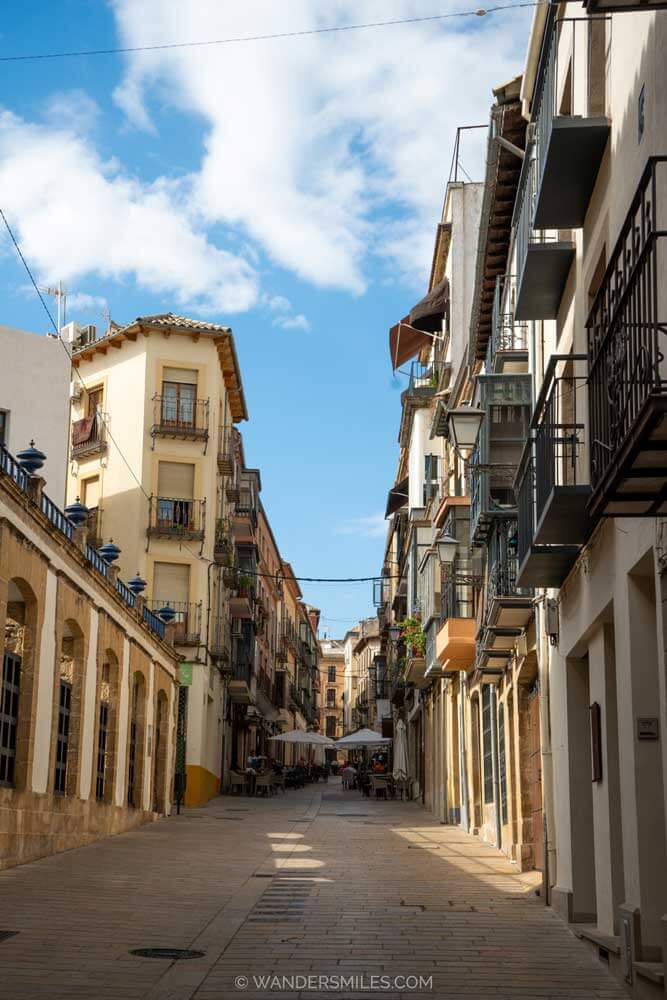
Start in Plaza Vázquez de Molina, where palaces and churches create one of Úbeda’s most impressive settings. Our guide helped us appreciate the details, from the balanced proportions of Vázquez de Molina Palace to the carvings that are easy to overlook when you are busy taking photos.
Make time to step inside the Chapel of El Salvador, commissioned by Francisco de los Cobos as a private mausoleum. Its Renaissance design, sculpture and religious artwork make it a highlight of the square. For another side of the city’s history, visit Sinagoga del Agua, which offers an introduction to Úbeda’s Jewish heritage.
Beyond the monuments, Úbeda has a strong craft tradition, particularly pottery and esparto grass work. Look out for workshops and shops where a new generation of makers combines traditional skills with contemporary designs.
|| EXPLORE THE BEST TOURS IN UBEDA
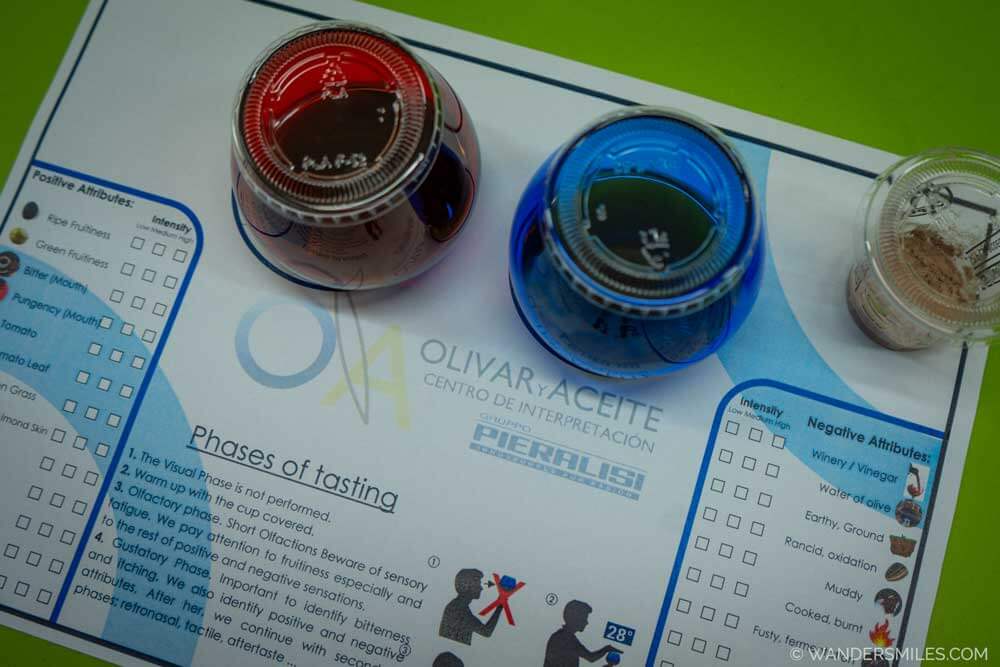
Olive Oil Tasting at Centro de Interpretación Olivar + Aceite
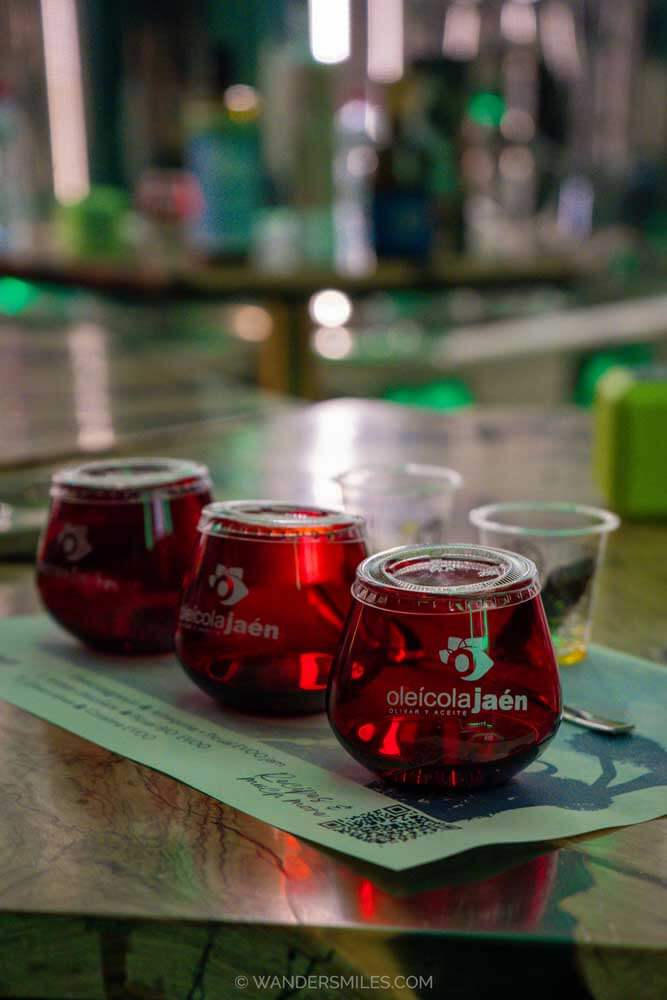
We joined an olive oil tasting workshop at Centro de Interpretación Olivar y Aceite in Úbeda, comparing two different oils and trying our hand at tasting like the professionals. With handy tasting tips, we paid attention to the aromas and flavours of this “liquid gold”.
The workshop also explained how olive oil quality is assessed through laboratory testing and sensory analysis by trained tasters. Learning about both sides of the process gave us a better appreciation of what goes into evaluating an oil, beyond simply deciding whether we liked its taste.
Wander Through Baeza
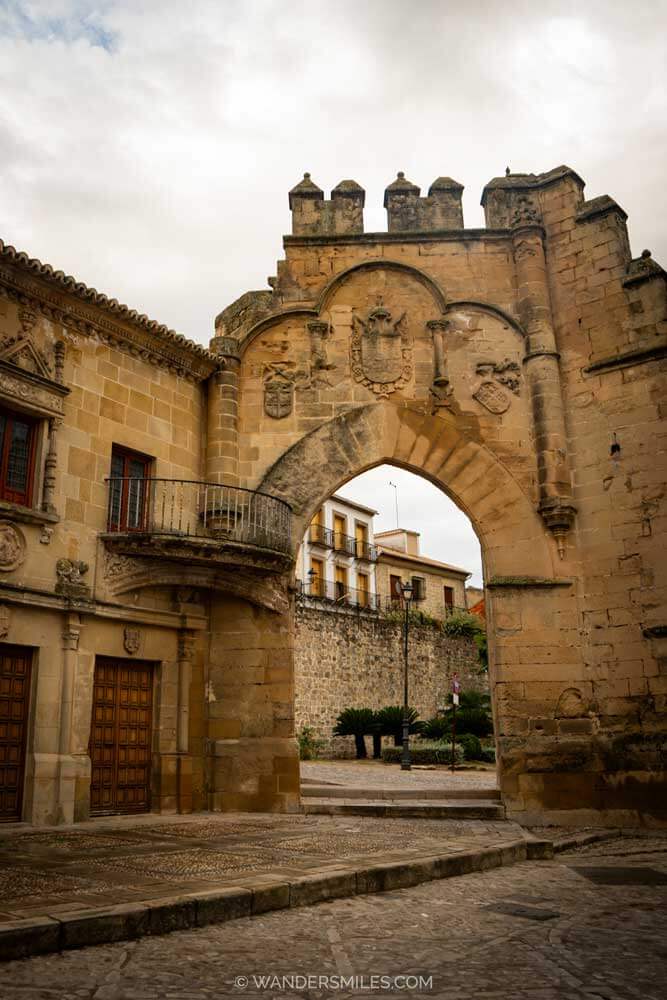
Start in Plaza del Pópulo, a lovely introduction to Baeza’s historic centre, before wandering towards Plaza de Santa María and the cathedral. Make time for Jabalquinto Palace, too. A guided walk helps you notice the intricate carvings and royal symbols you might otherwise stroll straight past.
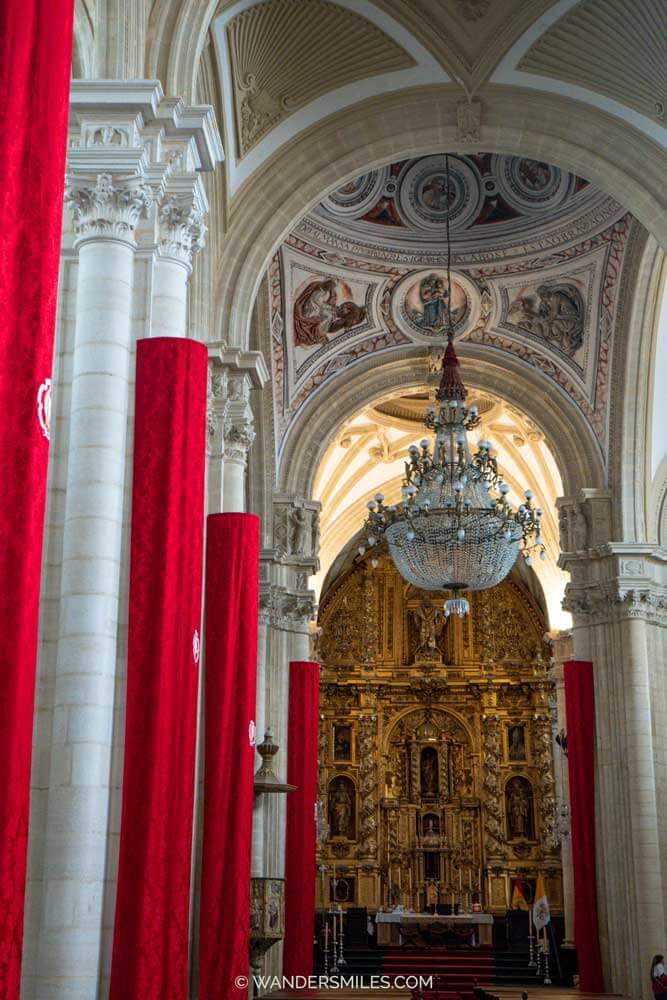
Inside Baeza Cathedral, the town’s layers of history become clearer. Built on the site of a former mosque, it combines Gothic features with Renaissance architecture and a Baroque altarpiece. Look out for the doorway linked to the earlier mosque and the enormous choir books displayed in the museum, details that make it worth stepping inside rather than just admiring the exterior.
Another worthwhile stop is the old university, where poet Antonio Machado taught French from 1912. The building remained a place of education after the university closed, and his preserved classroom provides a small insight into its former days. There is real character to be found across.Baeza between historic squares, palaces and literary connections.
|| EXPLORE THE BEST TOURS IN BAEZA
- Plaza del Pópulo (People’s Square)
- Interior of Baeza Cathedral
Olive Oil Tasting at AOVEland Baeza
Aoveland in Baeza brings together local heritage, modern olive oil production and an immersive visitor experience. Drawing on more than 45 years of working with olive oil, this family-owned mill combines monumental olive trees and local artwork with a 180-degree audiovisual film that brings the harvest to life, exploring the relationship between the land, weather and producers.
In our guided olive oil tasting, we were taught how to identify aromas, bitterness and pepperiness while comparing different varieties. Food-pairing suggestions, including chocolate and yoghurt, offer inspiration for enjoying the oils at home, while a closing aperitif rounds out the experience.
How to Reach Jaén
By Train or Coach
For a more sustainable journey, consider travelling by train or coach rather than flying. Renfe offers Madrid–Jaén journeys, while coaches connect Jaén with cities including Granada and Málaga. Check current timetables before booking, as railway works may mean part of your train journey is replaced by a bus.
By Air
The closest airport is Federico García Lorca Granada-Jaén Airport, with an onward road transfer needed to reach Jaén. Málaga Airport is another useful option, particularly for international flights. From either airport, arrange car hire or check bus connections, allowing time to travel via the city’s coach station if necessary.
Getting Around Jaen Province
For a trip combining Jaén city, Martos, a rural estate and the Renaissance towns, a hire car offers the most flexibility. It also makes it easier to reach countryside activities that may not sit on a convenient public transport route.
If you prefer not to drive, plan around intercity buses and arrange transfers or organised activities for the rural sections. Jaén and the historic centres of Úbeda and Baeza can then be explored on foot.
|| CHECK PRICES FOR CAR HIRE IN JAEN
Planning Your Olive Oil Journey
How long do you need in Jaén province?
Allow several days if you want to combine the cities and towns with a mill visit and a cycle ride. Trying to squeeze everything into a day would leave little time for the experiences that make oleoturismo worthwhile.
Best Time to Visit Jaén?
If seeing the harvest is a priority, contact a producer before choosing your dates. Harvesting can begin between October and December and continue into late winter, but the timing varies by producer, olive ripeness and season. Do not assume that a mill tour will include active production throughout the year.
The pleasure of travelling through Jaén is in making these connections: seeing the trees, learning about the oil and then tasting it with a better understanding of where it comes from. The cathedral, Renaissance squares and greenway add variety, but the olive groves remain the constant. They make this a journey through a working landscape, not just a collection of sightseeing stops.
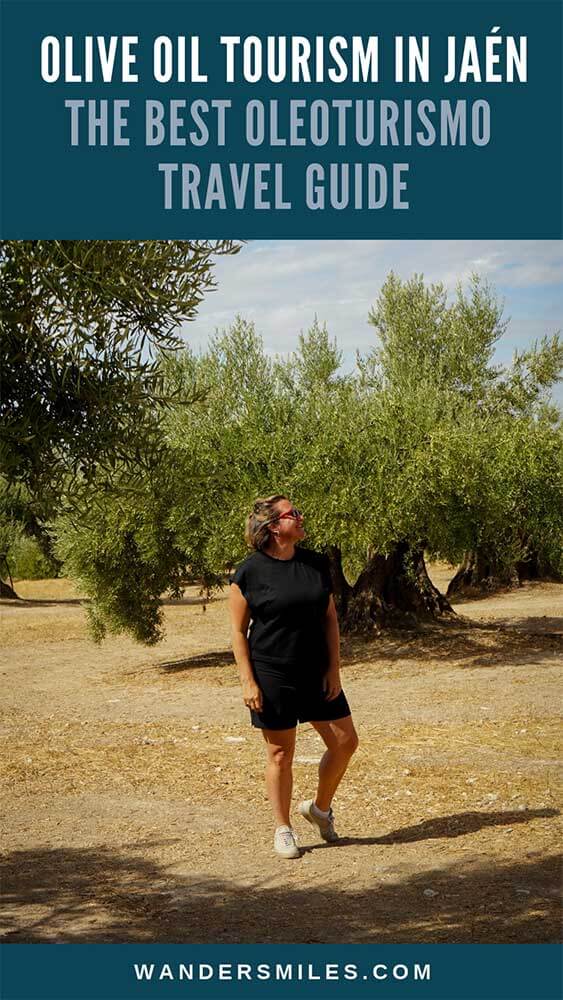
PIN to Visit Jaén
Disclosure: This post contains affiliate links, which means I may receive a small commission if you click a link and purchase something that I’ve recommended. It comes at no cost to you. Thank you for your support.