Himalayan Trekking Tips from a Real Guide: What Most Travellers Don’t Know
LAST UPDATED: 2nd February 2026 | ORIGINAL: 2nd February 2026
People often think that Himalayan trekking is all about physical strength, stamina and having good gear. Well, that’s part of it, but it’s not the whole story.
Out on trails like Trek to Everest Base Camp and the Annapurna Circuit, I’ve seen plenty of strong, fit trekkers struggling to keep up, while others with zero trekking experience are moving along with ease and confidence. And you know what? More often than not it comes down to a few simple practices and bits of knowledge that most travellers never get talked about before they arrive.
This guide is going to share the things that experienced Himalayan guides quietly pay attention to, the small details that keep trekkers safe, comfortable and actually enjoying the journey.
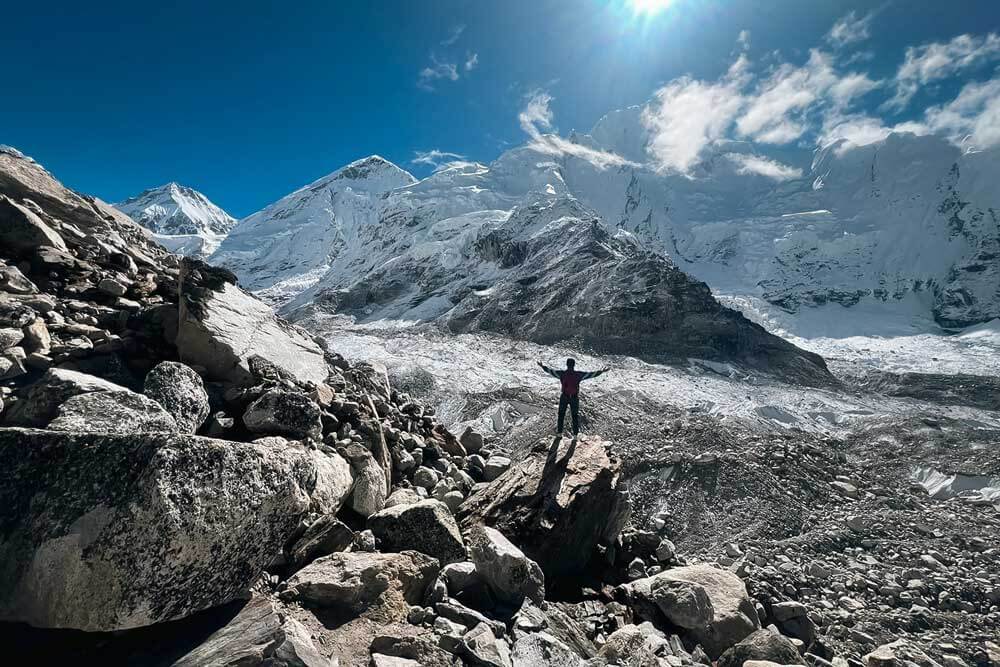
Best Himalayan Trekking Tips
Start acclimatisation A Lot Earlier Than You Think You Need To
A lot of trekkers think acclimatisation only starts to matter once they start to feel the altitude kicking in. But in reality, it starts much, much sooner – sometimes as low as 2,500 metres.
As a guide I pay close attention in the first few days – how you sleep, how much water you drink and how your appetite behaves early on often gives me a pretty good idea of how the higher days are going to pan out.
Which is why experienced guides like me encourage slow walking and regular hydration from the very beginning of the trek, right from day one, not just when you’re near base camp or trying to get over high passes.
Cold, Sun and Wind All Make Acclimatisation Tougher
Altitude is one thing, but don’t forget about the cold, sun and wind. All those will put extra stress on your body.
The cold makes your body burn up way more energy. The sun dehydrates you faster than you think, and it’s not just because you’re sweating more. Wind makes you feel knackered, even on easy terrain.
A bit of guide advice:
- Cover your head on really sunny days
- Keep your chest warm in the evenings
- Drink more water on windy days even if you’re not feeling thirsty
These little habits might seem insignificant on their own, but they all help with acclimatisation.
Why Feeling Strong At Altitude Can Be A Bad Idea
One of the trickiest moments on treks like Everest Base Camp or the Annapurna Circuit Trek is when you feel strong at altitude and you want to push on.
But the thing is, feeling strong doesn’t always mean your body is fully adapted. Sometimes it just means your adrenaline is kicking in.
That’s why guides like me always say to stick to the itinerary, even on good days. Acclimatisation works best when you’re making steady progress, not trying to rush it.
Sleeping Position and How You Breathe Affect How You Feel the Next Day
Most people don’t realise how important it is to get a good night’s sleep when you’re trekking at high altitude. And I don’t just mean lying flat on your back – how you sleep actually matters.
At higher elevations, lying slightly elevated – with an extra pillow or a folded jacket under your back – can help your breathing feel a bit easier. Taking slow, relaxed breaths before you go to sleep also helps you sleep better.
Some trekkers naturally start practising breathing techniques or mindfulness before bed, not as some sort of routine, but because it genuinely helps them get a better night’s sleep.
Acclimatisation Is Just as Much About Your Mindset as Your Body
Good acclimatisation isn’t just about physical health – it’s also about your mental state.
When you rush, stress levels go up. When stress levels go up, breathing becomes shallow and rest suffers, and before you know it, altitude symptoms start to kick in.
Trekkers who adjust best are usually the ones who accept the slower pace early on, you know? They stop checking their distance constantly and just let things happen. They go for a walk, take a rest, eat when they’re hungry and sleep when they’re tired.
That mindset shift can turn a tough trek into an enjoyable one.
Why Guides Sometimes Suggest Turning Back – Even On Good Days
Turning back is never an easy decision, but experienced guides like me don’t make choices based on one moment – we look at patterns.
A mild headache that doesn’t go away, loss of appetite that lasts more than a day, or just general fatigue can all be signs that acclimatisation isn’t going to plan.
Descending early is not failure. It’s just being sensible and looking after yourself.
Acclimatisation Lets You Enjoy the Real Experience
When acclimatisation is done right, the trek opens up in all sorts of unexpected ways.
You notice the villages more, conversations feel easier, and the views take on a whole different character. On trails to Everest Base Camp, a lot of trekkers end up realising that it’s the quiet stretches of trail where everything feels balanced that are actually their most powerful memories, not the destination itself.
That’s when trekking becomes more than just a challenge – it becomes a lived experience.
Final Thoughts
If there’s one thing to take away from this guide, it’s this:
The mountains don’t reward rushing, ego or trying to control everything. They reward patience, awareness and respect.
When you slow down, eat well, listen to your body and trust the process, trekking in the Himalayas becomes more than just a physical challenge. It becomes something deeper and something that stays with you.
Whether you’re making your way to Everest Base Camp, crossing Thorong La on the Annapurna Circuit or exploring quieter trails, the best advice is simple:
Walk slowly. Breathe deeply. And let the journey unfold.
Disclosure: This post contains affiliate links, which means I may receive a small commission if you click a link and purchase something that I’ve recommended. It comes at no cost to you. Thank you for your support.