Visiting Vietnam During Tet Holidays: A Guide To Travelling In The Lunar New Year
LAST UPDATED: 29th June 2026 | ORIGINAL: 27th March 2026
Every community in Vietnam pulsates with colour and anticipation as Tết, the Lunar New Year, approaches. Travellers often hear it described as “Vietnam’s biggest holiday”, but experiencing it in person brings home just how ingrained this celebration is.
Rooted in ancestor worship and lunar traditions, Tết is a chance to welcome luck, health, and abundance for the year ahead. It is basically the time for a heartfelt reset. But what is it like for people travelling around Vietnam during Tet?
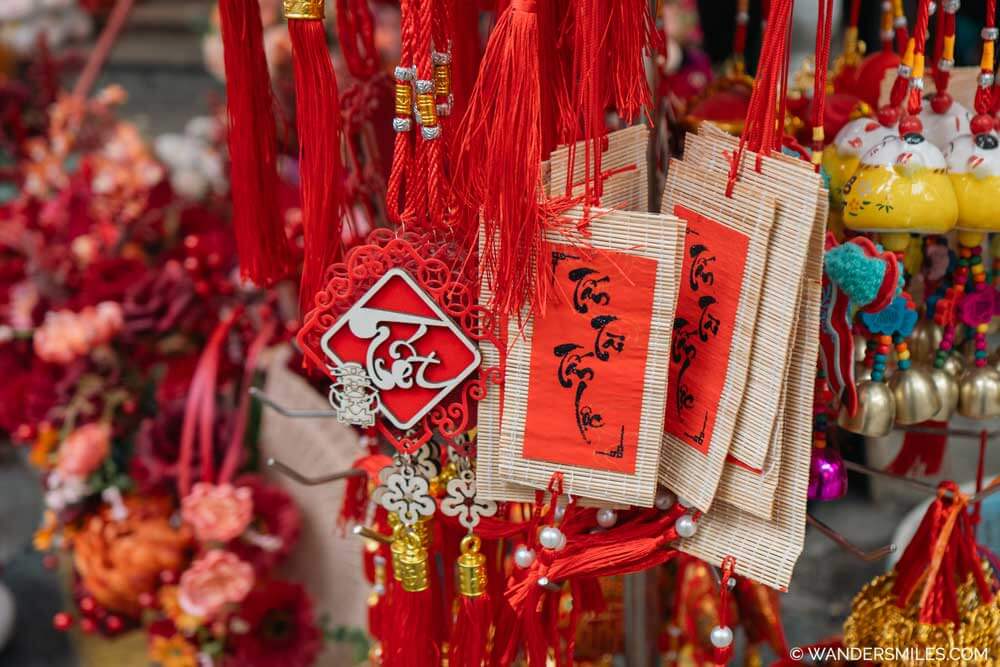
For many visitors, visiting Vietnam during the Lunar New Year can be both enchanting and confusing to navigate. Standing in a street lined with red decorations in Hanoi or watching locals ferry kumquat trees home on motorbikes is mesmerising. But then seeing shuttered cafés and closed tours can catch travellers off guard. I learnt this firsthand: after watching the country’s frenzied preparations in Hanoi and family-orientated activities Tam Cốc. I found myself struggling to find a restaurant open in Phong Nha before stepping onto the bus back to Hanoi the night before Tết.
If you’ve ever wondered what truly happens during Tết, or whether it’s a good time to visit, this guide unpacks the what you need to know about the lunar new year celebrations. I’ll share what locals taught me about the deeper meanings behind the customs, from cleaning homes to choosing lucky flowers. It was my first trip to Vietnam, and I soon learned that understanding Tết transforms your travel experience from sightseeing to connection.
What is Tết?
What is the meaning of Tết?
Tết, short for Tết Nguyên Đán, is Vietnam’s Lunar New Year, a spiritual celebration that marks renewal, respect, and family. It’s when households honour their ancestors, express gratitude, and symbolically sweep away misfortune from the past year.

When is Tết?
Tết marks the arrival of spring on the first day of the Vietnamese lunar calendar, usually falling between late January and mid‑February. The exact date shifts each year, but the build-up is unmistakable with the excitement of fresh beginnings.

Where is Tết celebrated?
While it’s honoured across the entire country, every region gives Tết its own flair. In the south, families decorate with yellow apricot blossoms (Hoa Mai) for wealth and good fortune. In the north, pink peach flowers (Hoa Đào) are symbols of vitality and protection from bad spirits. The shapes of the food parcels vary too. Banh Chung in the north is square, and Banh Tet in the south is cylindrical. And there are many more differences in the taboos and the way Tet is celebrated in northern and southern Vietnam.

How Vietnamese Prepare for Tết
The weeks before Tết are a beautiful chaos of activity. Families deep-clean their homes, not as a chore but as an energetic reset, sweeping away the old year’s misfortune and making space for new blessings. The small town of Phong Nha slowed down to a near whisper the day before Tết, apart from the spring cleaning, where piles of boxes piled up outside the houses awaiting collection. You won’t see anyone sweeping once the holiday begins, as it’s believed to brush away your luck for the year.
Cooking becomes a family affair, and no preparation is more iconic than making Bánh chưng in the north (square) or Bánh tét in the south (cylindrical). These sticky rice cakes, packed with mung beans and pork and wrapped in green leaves, take hours to prepare. This was happening en masse in the centre of Tam Coc, where families sat together making food parcels and chatting around the steaming pots late into the night. It was a heartwarming tradition to witness.

Flowers are a big thing. Huge blossoms are moved around on motorbikes. Everywhere you look, kumquat trees glimmer with tiny orange fruits, believed to draw prosperity and good luck into the home. Bright yellow chrysanthemums are a popular choice, as they are a sign of longevity.

There are so many details that carry meaning. It matters who steps into your home first on New Year’s Day, the colours you wear, and even your first words. Bright tones like red and yellow attract prosperity; black or white is avoided for being tied to mourning. Break a bowl or speak harshly, and it’s said you risk cursing the mood of your entire year.
When I visited Sa Pa, I found out that for ethnic minority groups like the Hmong and Dao, shamans play a big role in Tết traditions as well as throughout the year. They hold ceremonies to invite forest spirits and ancestors, with rhythmic chanting, lively music, and heartfelt offerings that bring prosperity and balance for the new year.
|| RELATED READ: SAPA OFF THE BEATEN TRACK AND TRADITIONAL HANDICRAFTS IN SAPA


What Happens In Vietnam During Tet?
When the first day of Tet arrives, families reunite, some travelling hundreds of kilometres to be together. Inside homes, altars glow with offerings of fruit, food, and incense for ancestors. The first day is always for family, the second for friends, and the third for teachers or neighbours.
Red envelopes (lì xì) pass from hand to hand, slipping luck and small bills to children and service workers. People greet each other with “Chúc mừng năm mới”, and temples overflow with activity with people giving offerings of food, flowers, and even fake money to invite prosperity. The children in my homestay in Phong Nha taught me how to say “happy new year” for which I was very grateful.
And everywhere you look, the áo dài, Vietnam’s long silk tunic, reappears in brilliant tones. Some take it very seriously with a make-up artist, photographer and lights shot at historic sites such as the Temple of Literature, where students will be hoping for success in their exams. Seeing entire families dressed in matching colours, posing for photos by blossom trees, is a lovely reminder of just how Tet is a time for connection.


Quick List: Dos and Don’ts During Tết
If you’re staying in a homestay or spending time with locals, knowing a few Tết taboos goes a long way. These gestures might seem small, but they speak volumes to the locals.
What to Do:
- Greet people with “Chúc mừng năm mới” (pronounced “chook moong num moi“). It will win you immediate smiles.
- Dress in bright, fresh clothes. Red or yellow are the luckiest shades.
- Bring small gifts or give new red envelopes (20k–100k VND bills) if you visit homes.
- Be patient with slower service. Many people are celebrating, so less are working.
- Stock up early on cash, snacks, and essentials—ATMs and shops may close for several days.
What Not to Do:
- Don’t complain about closures, crowds or higher prices.
- Don’t wear all black or white.
- Don’t talk negatively or argue.
- Avoid sweeping or breaking things as they’re all seen as bad omens.
- Don’t refuse a gift or red envelope; it’s offered from the heart.
- Don’t complain that prices are higher — that’s just how it is and remind yourself that in our money, it’s really not that much.

Travelling During Tết in Vietnam
Should you travel to Vietnam during Tết? Absolutely, but it’s best to plan your trip wisely. If you arrive just before the holiday, you’ll catch the most electric energy of the year. Flower markets in Hanoi’s Old Quarter and Saigon’s District 1 overflow with families choosing blooms, lanterns, and decorations. There’s music in the air, shiny new clothes everywhere, and the delicious sense that something big is coming.
Tips for Travelling During Tết in Vietnam
Book all transport early. Buses, trains, and flights fill up fast as locals head home to celebrate with their families. Reserve ahead of time—last-minute tickets are scarce, and prices rise sharply before the holiday.
Expect higher fares. Travel costs often include a small Tết surcharge. It’s common and helps cover increased demand and staff working through the holiday.
Plan for longer wait times. Apps like Grab still operate, but surge pricing and slower response times are typical during peak days. Be patient and allow extra travel time.
Withdraw cash in advance. ATMs and banks can close or run out of cash quickly. Stock up before the holiday, especially if you’re heading to smaller towns.
Reserve accommodation ahead. Many family-run homestays shut for several days, which puts more pressure on hotels. Touristy hotspots usually stay open, so don’t panic, but just book a few days earlier than usual.
Check opening hours for tours and attractions. Museums and local tours may close for the first day or two of the New Year. In larger cities like Hanoi, things reopen quickly; in smaller towns, closures can last longer. Websites and homestay hosts are often the best sources for up-to-date schedules.
Expect some price bumps at open cafés and restaurants. A modest holiday surcharge is normal. Many staff work through Tết to support their families, so kindness (and small tips) go a long way.
Bring essential medications and supplies. Pharmacies and smaller shops often shut their doors for several days. Pack what you’ll need before travel begins.

My Takeaway On Travelling Vietnam During Tet
My travel dates weren’t flexible, and plenty of people warned me not to visit Vietnam during Tết. I’m so glad I didn’t listen. Of course, I had to stay adaptable. I mapped out a loose plan and booked my bus back to Hanoi early, leaving enough wiggle room for any delays.
Arriving before Tết to soak in the festive build-up, the flower streets, and the anticipation is so worth it. Depending on where you go, you might find a few hushed days when cafés and attractions close, or in larger cities, where life carries on almost as before. In Hanoi, I stepped off a night bus on New Year’s morning to near‑silent streets, but by mid‑day the traffic and crowds were back in full swing. Some places shut their doors, but there was always enough open to enjoy the city.
More than anything, Tết reveals what truly matters in Vietnam: family, respect, renewal, and joy. And to be honest, it can be a stark reminder of what we are missing back in our home country.

Handy Links For Travelling In Vietnam
- Find the best deals on accommodation in Vietnam
- Get train and bus times and prices
- Check out group and private tours in Vietnam
- Get the best eSim for Vietnam
- Travel Insurance: 5% Off HeyMondo + Safetywing
PIN for travelling Vietnam During Tet


Disclosure: This post contains affiliate links, which means I may receive a small commission if you click a link and purchase something that I’ve recommended. It comes at no cost to you. Thank you for your support.