
Famous Dishes In Louisiana: Creole and Cajun Foods You Need To Try
LAST UPDATED: 22nd September 2026 | ORIGINAL: 30th June 2026
If you’re heading to Louisiana, chances are you’re not just going for the music, the moss-draped streets, or the Mardi Gras madness. You are, quite rightly, going for the Cajun and Creole food too.
Louisiana cuisine isn’t just something you eat, it’s something you get stuck into. From bubbling pots of gumbo to beignets buried under a snowstorm of powdered sugar, every dish comes with a story and a whole lot of flavour behind it. Road tripping through places like New Orleans and Lafayette, it quickly became clear that food here isn’t just part of the culture, it is the culture.
That said, the dishes in Louisiana can feel a little confusing at first. Seeing the words ‘Cajun’, ‘Creole’ and ‘New Orleans classics’ get thrown around, suddenly you’re staring at a menu, wondering what actually separates one from the other. Add in ingredients like andouille sausage or boudin, and it can feel like you’re missing part of the picture.
That’s where this guide comes in. Whether you’re planning your own food-filled road trip or just want to understand what makes Louisiana cuisine so iconic, this is your edible roadmap. What to try, why it matters, and how it all connects back to the culture that created it.
The Cultural Divide: Creole vs. Cajun
Before diving into the dishes, it helps to understand the two culinary identities that shape Louisiana’s food scene: Cajun and Creole. To put it simply, Cajun is considered country cooking, and Creole is city cooking from New Orleans. Both are incredible, and together, they define Louisiana’s unmistakable flavour.
Cajun cuisine traces back to the Acadians, the French settlers who were expelled from Canada in the 18th century and eventually made their way to the Louisiana bayous. They created resourceful cooking, basically whatever could be caught, hunted, or grown locally. This involves one-pot meals, wild game, smoked meats and a heavy sprinkling of cayenne pepper.
Creole cuisine was developed in the Big Easy from the melting pot of French, Spanish, African, Caribbean and Native American influences. Recipes include tomatoes, butter-based sauces, and complex spice blends. Now, just to add to the confusion, we need to mention the dishes in New Orleans that have influences from countries like Italy (mainly Sicily), Germany and, more recently, Vietnam too. The fusion of these flavours just demonstrates the city’s cultural diversity.

Traditional Dishes In Louisiana
Gumbo
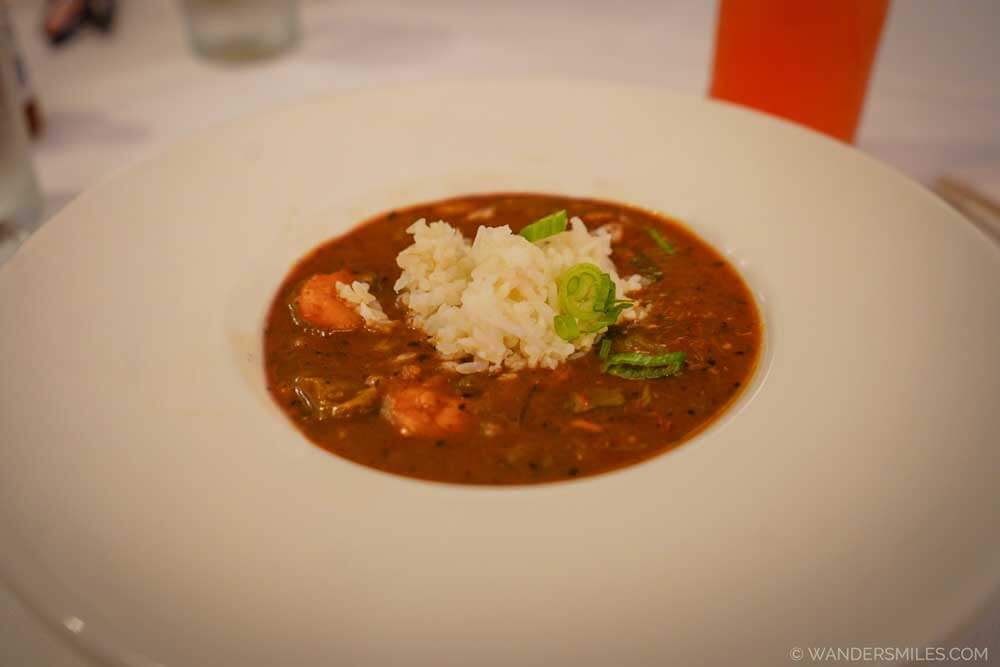
If Louisiana had a flavour, it would taste like gumbo. Officially recognised as the state dish, gumbo is a rich, slow-cooked stew built on a roux base and packed with anything from seafood to chicken and sausage and always served over rice. No two gumbos are ever quite the same, and that’s kind of the point.
Everyone has their own version, and trust me, they will all swear theirs is the best. Along the Gulf Coast, gumbo leans into seafood, piled high with shrimp, crab, and oysters. Head inland and it gets heartier, with chicken, sausage, and whatever’s on hand.
What makes gumbo really special is where it comes from. It’s a full-on cultural mash-up, with roots in West African cooking, French techniques like roux, and Native American filé powder, all layered with Spanish and Caribbean influences over time. Somehow, all of that came together in one pot and turned into something that feels completely, unmistakably Louisiana.
Crawfish Étouffée
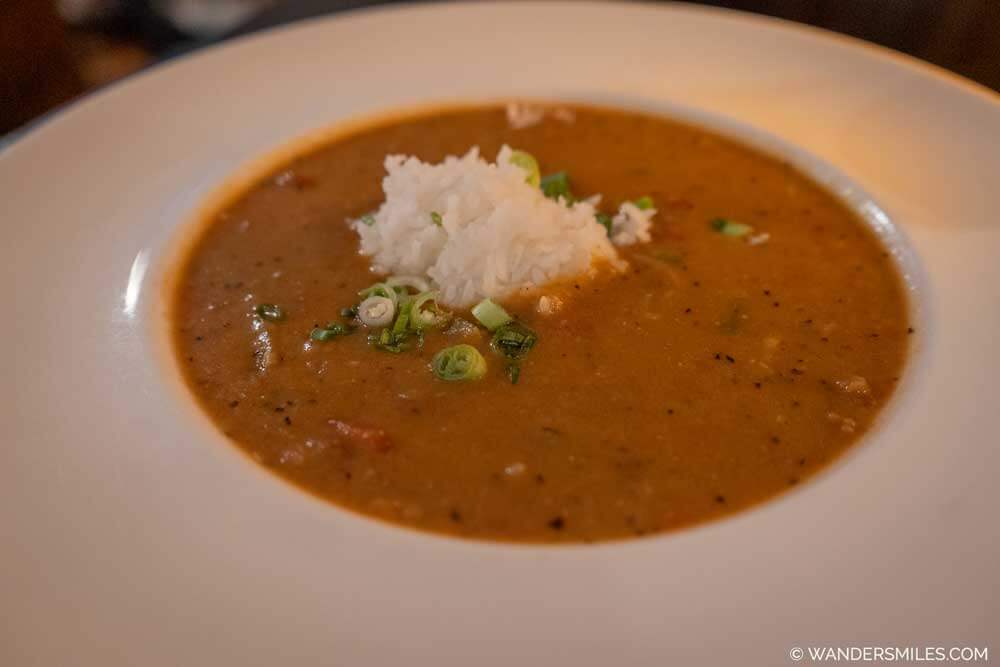
Étouffée is Louisiana comfort food at its best. The name means “smothered,” and that’s exactly what you get. Crawfish or shrimp is cooked down in a rich, buttery sauce with onions, bell peppers, and celery, known as the “holy trinity” of Louisiana cooking, and then spooned generously over rice.
The dish has a smoother, slightly lighter feel than gumbo, thanks to a blond roux and plenty of butter, along with all those bold Louisiana seasonings. It first showed up in the early 1900s around Breaux Bridge and didn’t take long to catch on. Now it’s everywhere. Some versions lean more Creole with tomatoes, while others use cream to mimic that rich crawfish flavour. Either way, once you’ve had it, you’ll be hooked.
Crawfish Boils
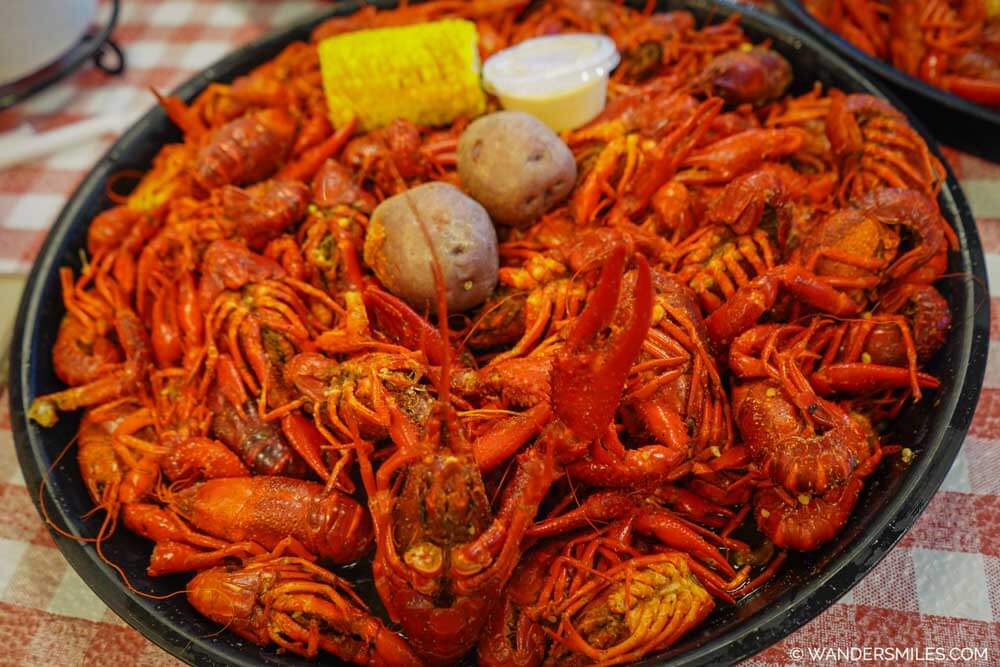
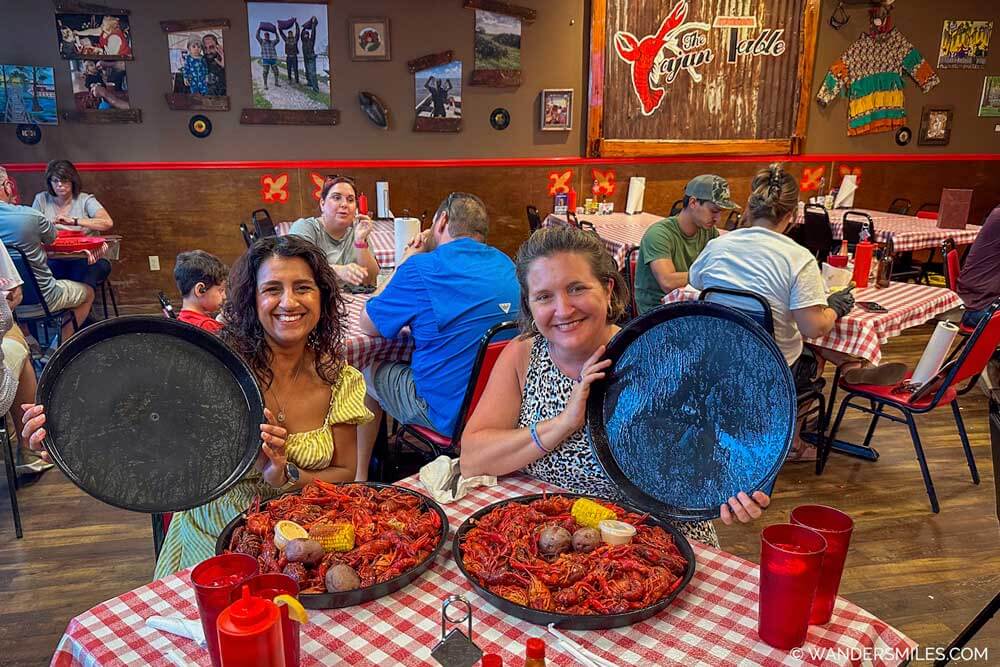
This isn’t just a meal — it’s a big event. Crawfish boils are a cornerstone of Louisiana culture, especially during spring. Big pots of crawfish are boiled with corn, potatoes, sausage, and a punchy mix of salt, pepper, garlic, and spice, with extras like lemon and onions thrown in for good measure. Some places even let you pick your spice level, finishing them off in ice chests so they steam and soak up all those juices. At bigger gatherings, everything gets tipped out onto long tables for everyone to share. No plates, no cutlery, just roll up your sleeves and get stuck in.
When I was in Lafayette during crawfish season, I knew I had to try it, but I wasn’t quite prepared for the size of the portion or the fact I’d need a quick lesson before I could even start eating. Crawfish boils are less about the food and more about the atmosphere. Louisianians genuinely get excited talking about crawfish season.
What makes it even more interesting is how connected it is to the land. Crawfish season exists because of the rice and crawfish farming cycle in Louisiana. After the rice harvest, fields are flooded and become the perfect place for crawfish to grow. It’s a natural rotation that supports both crops and is a big reason crawfish are everywhere in spring.
Jambalaya
Jambalaya is the ultimate crowd-feeder. It’s a one-pot rice dish packed with meat or seafood and the “holy trinity” of onion, celery, and bell pepper, all cooked together so every bite is full of flavour. It started as a practical meal during the colonial period, an easy way to feed a lot of people, and that same vibe still carries through today. You’ll spot it at festivals, street events, and anywhere people are gathering around good food.
There are two main styles, and locals definitely have opinions. Cajun jambalaya skips tomatoes and gets its deep brown colour from cooking the meat and spices first, while Creole jambalaya adds tomatoes for a brighter, red version. I tried a Creole jambalaya on a food tour in New Orleans that was oozing with flavour, but I can confirm it is seriously filling.
The origins are a bit of a mix, with influences from West African rice dishes like jollof, Spanish paella, and French cooking. Even the name is up for debate. Some say it comes from a blend of “jollof” and “paella,” while others trace it back to the French word jambalaia, meaning “mix-up,” which honestly feels pretty accurate. Either way, it’s become one of the signature dishes of Cajun and Creole cuisine and a staple across Louisiana.
|| RELATED: READ MY GUIDE ON DEEP SOUTH SOUL FOOD
Boudin
Boudin is classic Cajun comfort food that might not look fancy but absolutely delivers on flavour. It’s a mix of slow-cooked pork, rice, onions, bell peppers, and spices, stuffed into a casing and usually steamed or grilled. But it’s really all about that savoury filling, whether you bite straight in or slice open the casing. You’ll find it everywhere across Louisiana, and I tried it for breakfast at the family-owned Dwyer’s Cafe in Lafayette, served on traditional biscuits, which was simple and seriously scrummy.
The roots of boudin go back to France, but what you’ll find in Louisiana today is a true Cajun evolution. Over time, local ingredients like rice and cayenne took over, and it became a staple at traditional boucheries, where recipes were passed down through generations. Now it’s a point of pride across Cajun country, with every town claiming to have the best version
Po’boy sandwich
The po’boy is New Orleans comfort food at its finest. Served on light, airy French bread with that perfect crisp crust, it’s jam-packed with everything from fried shrimp and oysters to roast beef dripping in gravy.
The sandwich dates back to 1929, when brothers Benny and Clovis Martin started serving them at their restaurant during a streetcar workers’ strike. They promised to feed the striking workers for free, calling them “poor boys”, and the name stuck. What began as a way to feed people during tough times quickly became a New Orleans and Deep South staple.
Muffuletta
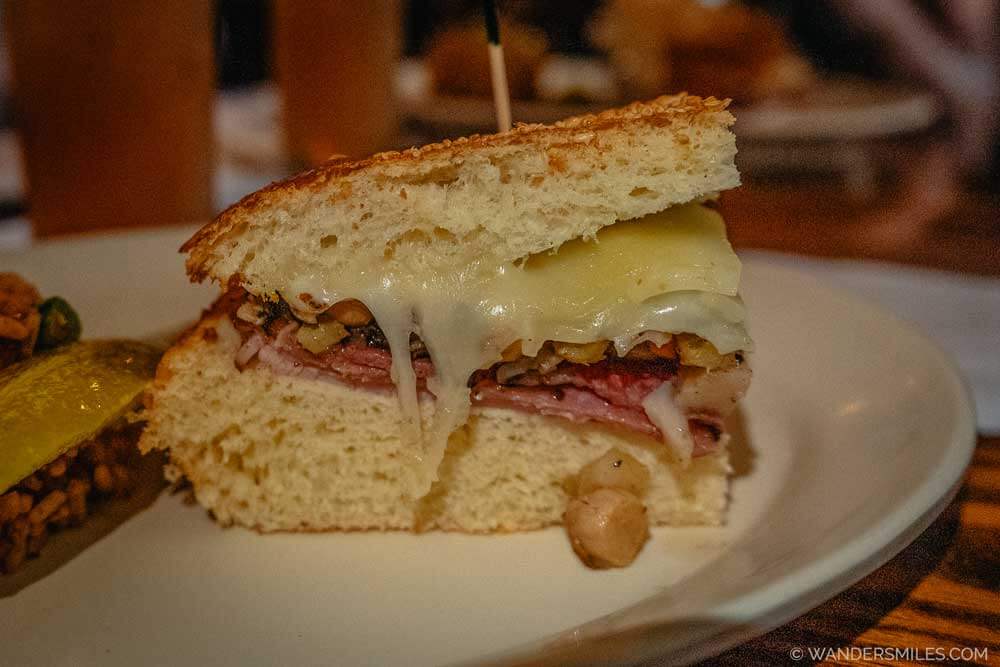
The muffuletta is not your average sandwich. It’s stacked sky-high with layers of salami, ham, mortadella, cheese, and a punchy olive salad, all packed into a round sesame-seeded loaf. Every bite hits that perfect balance of salty and tangy, and honestly, it’s just buonissimo.
Despite its very Italian ingredients, the muffuletta isn’t actually from Italy. It was created in New Orleans in the early 1900s, most famously at Central Grocery by Sicilian immigrant Salvatore Lupo. Back then, the French Quarter was buzzing with Italian vendors and workers grabbing lunch on the go, so Lupo had the genius idea to pile everything into one massive sandwich. What started as a practical fix quickly turned into a true Crescent City classic.
Where to eat Muffuletta in New Orleans: Central Grocery & Deli, Napoleon House, Cochon Butcher, Verti Marte
Traditional Sweet Treats In Louisiana
Bananas Foster
Bananas Foster was created at Brennan’s in New Orleans in 1951, back when the city was one of the biggest banana ports in the US. Restaurateur Owen Brennan challenged his chef, Paul Blangé, to come up with a dessert to honour his friend Richard Foster, and they definitely understood the assignment. Taking inspiration from simple brûléed bananas, they added butter, sugar, and rum, set it on fire, and turned it into a Louisiana classic.
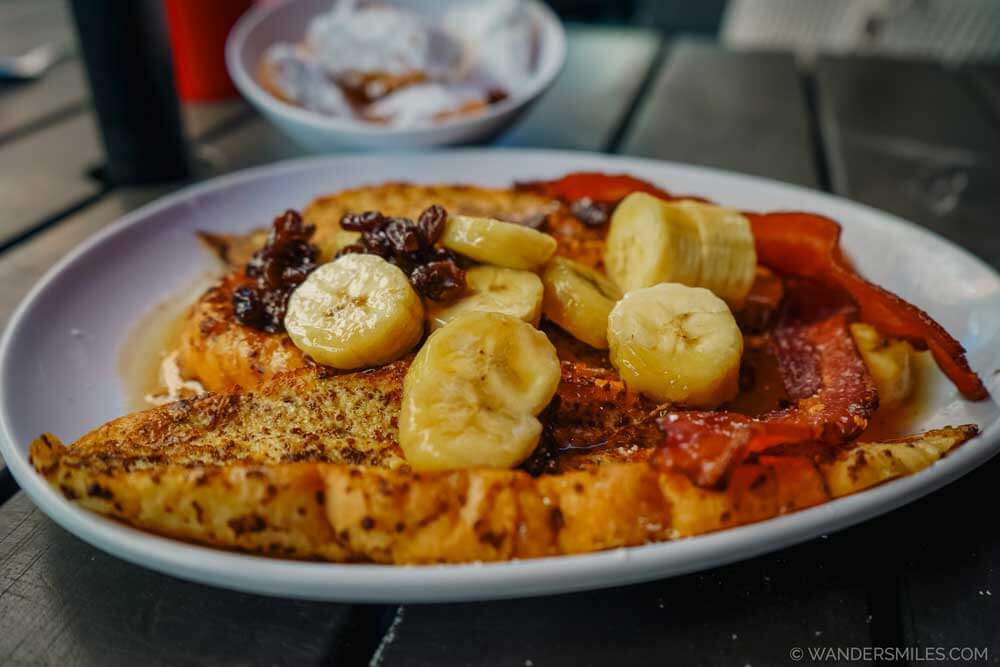
Decades later, Bananas Foster is still stealing the spotlight, with plenty of fun variations popping up across the city. I went all in on a breakfast twist at Ruby Slipper, where it showed up as New Orleans-style French toast topped with rum-flambéed bananas and raisins, served alongside applewood-smoked bacon. Not your average breakfast, but very on brand for New Orleans.
Where to eat Bananas Foster in New Orleans: Brennan’s Restaurant, The Court of Two Sisters, Ruby Slipper,
Beignets
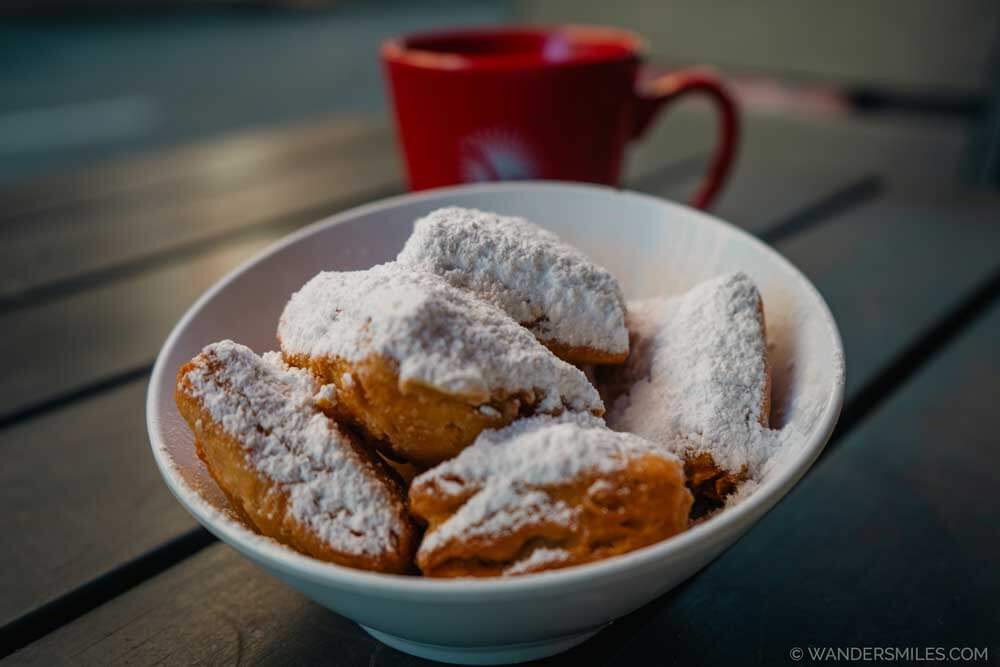
Beignets are basically New Orleans’ favourite excuse to eat fried dough at any time of day. These fluffy, square pillows come out hot, golden, and absolutely buried under a mountain of powdered sugar that will 100% end up all over your clothes. Crisp on the outside and airy in the middle, they’ve become an legendary symbol of New Orleans food culture, and honestly, resisting a second order is a big ask.
They’ve been around in some form for centuries, travelling from Europe to Louisiana with French settlers, but New Orleans is where they really found their personality. Spots like Café du Monde turned them into a full-blown institution, and now the city celebrates them with its own Beignet Fest, where things get a little creative beyond the classic sugar-dusted version.
Where to eat beignets in New Orleans: Café Du Monde, Ruby Slipper, Cafe Beignet
Pralines
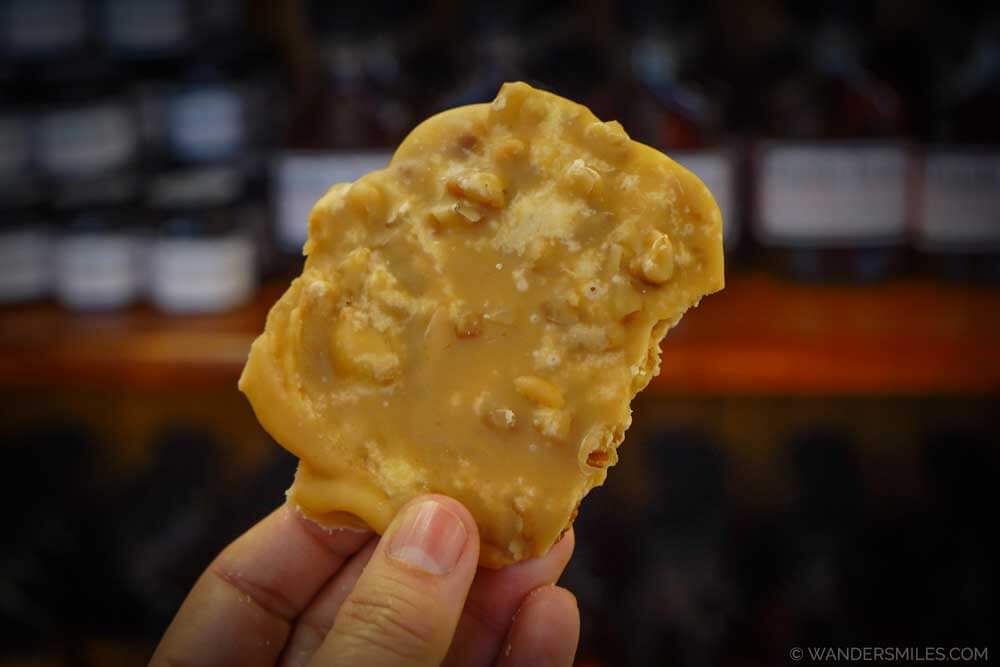
Louisiana pralines are nothing like their European cousins. Instead of a hard, almond-based sweet, these are soft, creamy, and packed with pecans, sugar, butter, and cream. They are somewhere between fudge and caramel and completely addictive. They made the switch to pecans simply because almond trees don’t grow in Louisiana. That practical swap helped shape one of the South’s most iconic treats.
The real story of pralines runs back to the sugar cane plantations where women of colour transformed the recipe into what we know today. With access to freshly processed sugar, local pecans, and an instinct for flavour, they evolved it by adding cream and brown sugar, turning it into something much smoother.
I visited Leah’s Pralines in New Orleans, a family-run place passed down through three generations of women since Miss Leah Johnson took it over in 1944. We tried the pecan brittle there, and it felt like a sweet piece of history melting in your mouth. Get ready for the post-praline sugar rush, though.
Where to try Pralines in New Orleans: Leah’s Pralines, Loretta’s Authentic Pralines and Aunt Sally’s Pralines.
King Cake
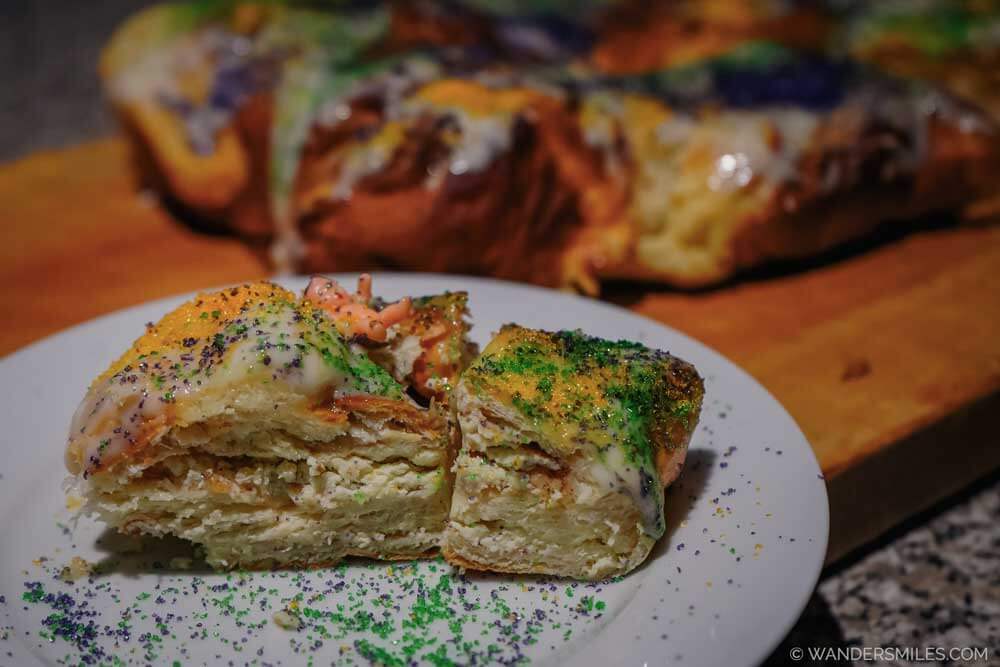
A King Cake is basically the official dessert of Mardi Gras season, and you will find it all over the Deep South. This colourful, ring-shaped brioche is braided into a circle and often filled with cream cheese or fruit. It’s finished with icing and topped with the signature carnival colours of purple, green, and gold sugar, representing justice, faith, and power.
It is believed that the tradition dates back to 12th-century France, where a cake was made to celebrate the Feast of the Epiphany, with a hidden bean or coin inside for luck. Louisiana kept the idea but swapped in the now-famous plastic baby, meaning if you find it in your slice, you get good luck and the responsibility of bringing the next King Cake.
Plan your trip to Louisiana
The best way to experience the traditional foods of Louisiana authentically is to make the trip. Here are some tips on foodie tours, how to get there, and where to stay.
Food Tours in Louisiana
- NEW ORLEANS: Doctor Gumbo Food & Cocktail Tour
- NEW ORLEANS: Delicious Donuts & Beignets: A Sweet Walking Tour
- NEW ORLEANS: Hands-on Cajun Roux Cooking Class
- LAFAYETTE: Cajun Food Bus Tour in Lafayette
Getting to Louisiana
- Where to Stay: Snag The Best Hotels Deals
- Getting there: Check flights to Louisiana
- Hire a Car: Best Car Rental Deals in Louisiana
- Recommended Travel Insurance: 5% Off HeyMondo
- Trip Planning: Purely Travel Can Make It Happen
PIN to read Famous Dishes in Louisiana
Disclosure: This post contains affiliate links, which means I may receive a small commission if you click a link and purchase something that I’ve recommended. It comes at no cost to you. Thank you for your support.