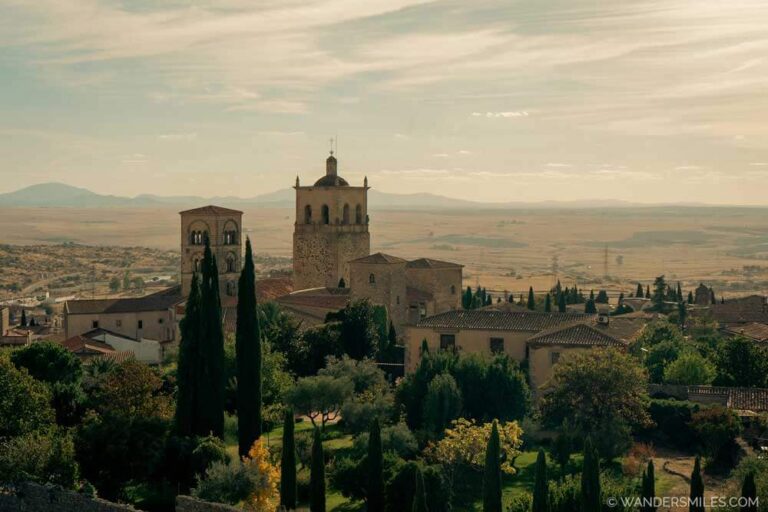
Explore Sapa Off the Beaten Track: The Jewel of North Vietnam
LAST UPDATED: 8th March 2026
Sapa may be known for its expansive rice terraces and cloud‑draped peaks, but its true magnetism reveals itself only when you step away from the well‑worn tourist paths.
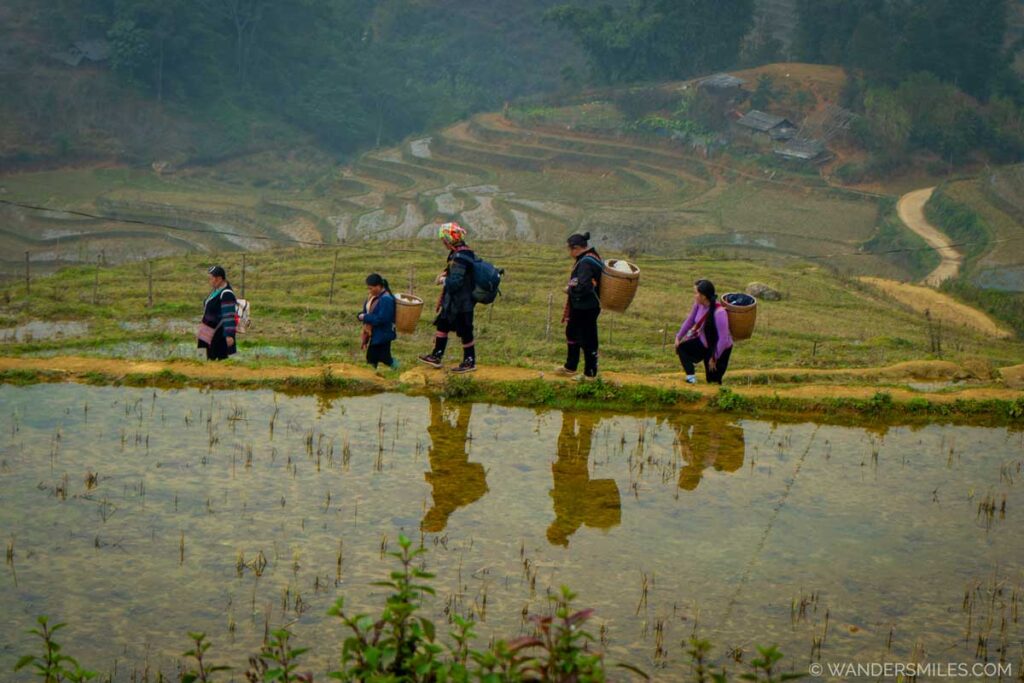
Leave the concrete buildings of Sapa behind and the roads narrow, giving way to stepped terraces sculpted by hand, wooden houses, and the serene routines of ethnic rural communities who have lived here for centuries. Out in these remote folds of the Hoàng Liên Sơn range, life is guided by agricultural seasons, spiritual traditions and a profound relationship with the landscape.
Exploring Sapa off the beaten track is far more than a beautiful detour. If you’re willing to wander a little further, Lao Cai province might just become your favourite destination in Vietnam. Let me show you why.
About Sa Pa
Where Is Sapa?
Sapa lies in northern Vietnam’s Lào Cai Province, close to the border with China. The dramatic Hoàng Liên Sơn range, once called the Tonkinese Alps by the French, stretches across Lào Cai, Lai Châu and Yên Bái provinces for roughly 180 kilometres. Sapa town serves as the main gateway to the surrounding highlands, and is easily accessible by train, bus or car from Hanoi.
Brief History of Sapa and Lào Cai Province
Lào Cai Province has long been home to ethnic minority groups such as the Black Hmong, Red Dao, Tay, Giay and Xa Pho, whose traditions and farming practices have defined the landscape for generations.
In the nineteenth century, the highlands became a contested corridor as groups like the Black Flag Army moved south from China, battling for control of trade routes along the Red River. When the French took over in 1886, they secured access to Yunnan and later opened the Hanoi–Lào Cai railway.
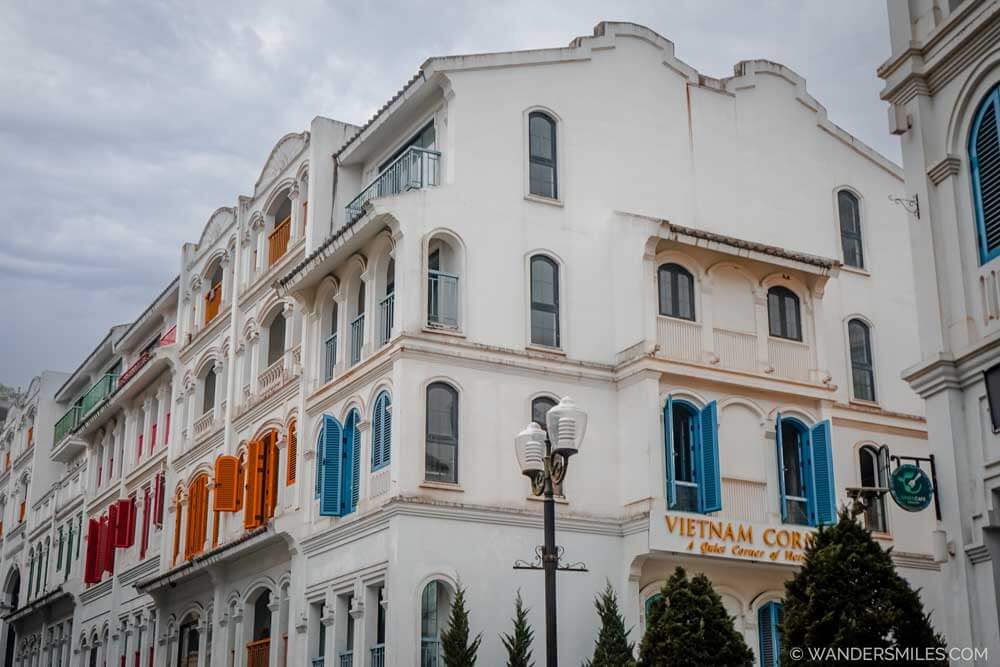
Sapa’s transformation began in the early 1900s when the French established it as a colonial hill‑station retreat. At its peak, the town held hundreds of villas, though many were later destroyed during conflicts in the mid‑20th century. The town was rebuilt after reunification 1975, with tourism reopening and accelerating in the 1990s.
Exploring The Real Sa Pa: Need To Know
Is Sapa Worth Visiting?
Yes, without question. Sapa remains one of Vietnam’s most extraordinary regions. The rice terraces built largely by hand into the mountainsides form landscapes that shift with the seasons, while the cultural diversity of the Hmong, Red Dao, Tay and Giay communities adds a richness found in few other parts of the country. When you venture beyond the town limits and spend time on the trails passing through mountain villages, Sapa becomes a place of connection and culture.
Is Sapa touristy?
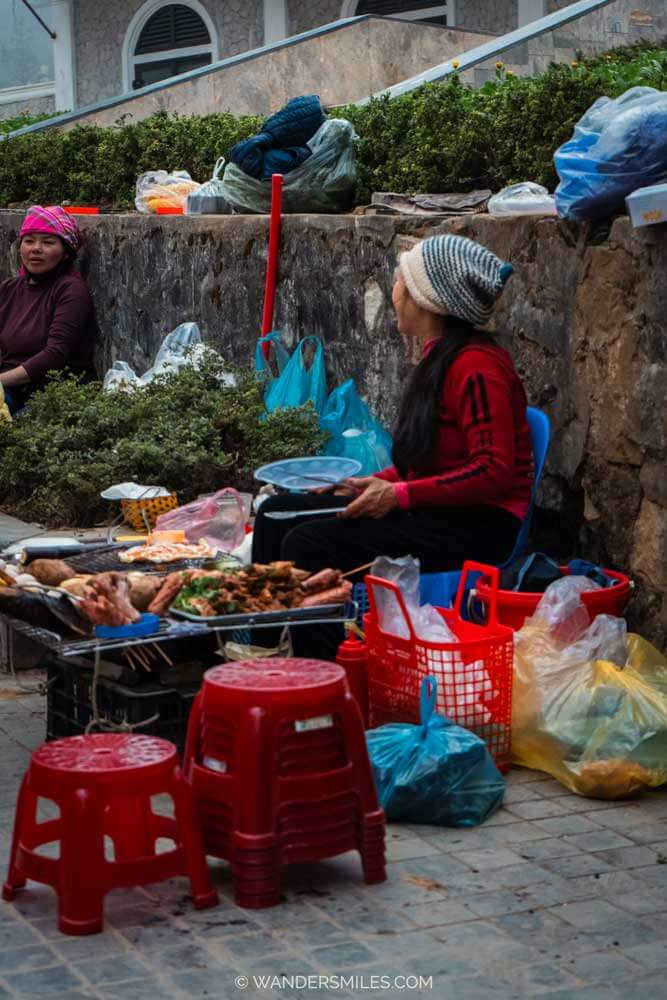
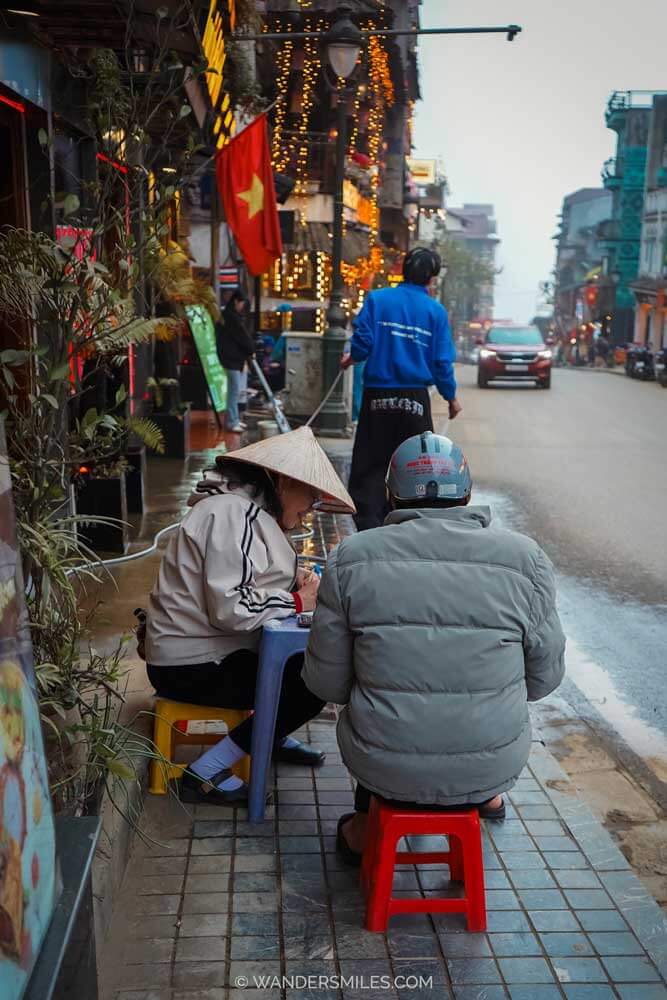
Sapa town is undoubtedly busy. As one of Asia’s fastest‑growing destinations, it attracts visitors who use the town as a base for day trips. The streets are lined with souvenir shops, small eateries and street‑food stalls, and the energy can feel overwhelming if you have just come from remote valleys.
Fansipan Peak illustrates this tourism shift well. The views from the summit are extraordinary and should not be missed, but the cable‑car complex and retail outlets have introduced an unmistakably commercial atmosphere. International chains, including Starbucks, run the risk of overshadowing the region’s cultural charm.
Even so, Sapa can still be experienced responsibly. Choose family‑run cafés, local street sellers and community‑based guides. It is entirely possible to enjoy the region while ensuring your visit supports the people who keep its traditions alive.

Find An Ethical Tour Operator
To explore Sapa with care, choosing an ethical tour operator is essential. Look for companies that work with local guides, support community‑based cooperatives and ensure fair wages and safe working conditions. Responsible travel ensures that the communities who make Sapa extraordinary directly benefit from tourism.
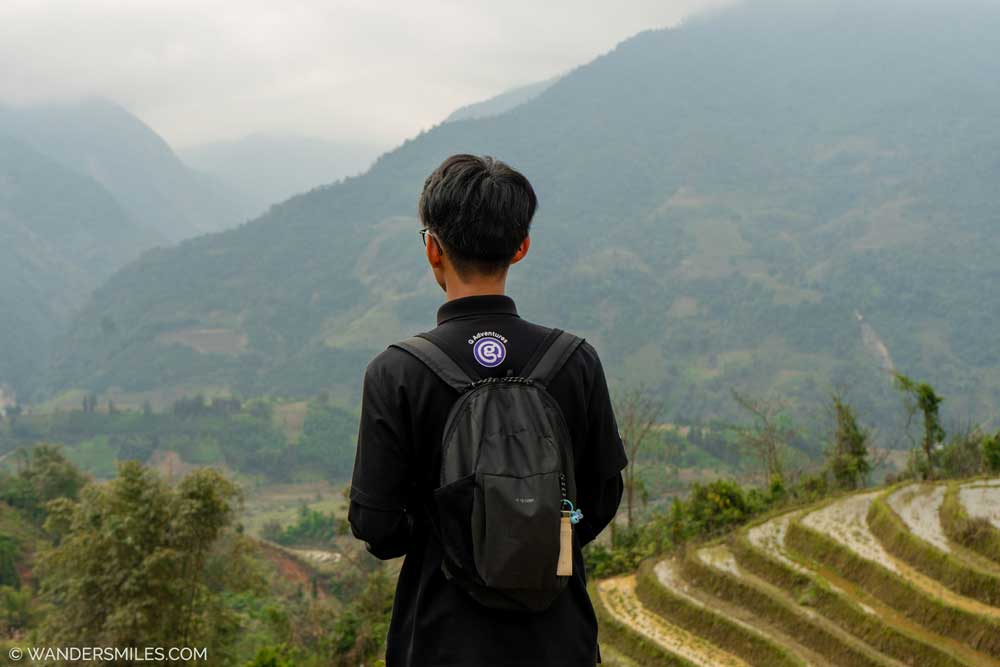
I travelled with G Adventures because of their strong commitment to local partnerships and community‑led tourism. Our CEO (Chief Experience Officer) travelled with us from Hanoi, and we met regional guides, visited artisan workshops and stayed in family‑run accommodation. Companies like these help you reach lesser‑visited areas while ensuring your trip has a positive impact.
Best Things To Do In Sapa Off the Beaten Track
Hike Among Rice Terraces
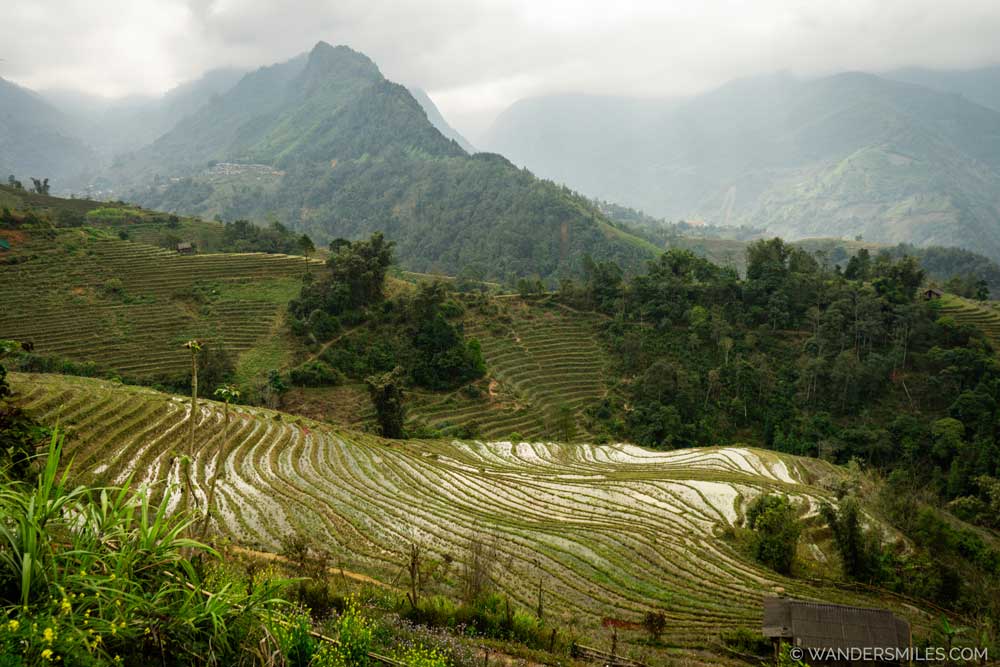
Trekking through Sapa’s rice terraces is one of the most immersive ways to experience the region. These terraces, carved by hand over centuries, curve around the mountains in graceful layers that change colour with each season. Hiking away from the main tourist trails brings you into more tranquil valleys where the only sounds are the wind moving through the fields and and the only other travellers you meet are villagers heading home.
Guided by local experts, you might pass water buffalo grazing lazily, children walking home from school, and women bending over young rice plants. These are encounters of mountain life that you won’t find in the busy town. The terrain can be steep, and weather changes quickly in the mountains, but that’s part of what makes the trek feel so exhilarating.
Visit Lesser-Known Villages
Venturing into lesser‑visited villages is one of the most rewarding ways to experience the Lao Cai province authentically. While many travellers stay within well‑known areas such as Cát Cát, the true character of Sapa is found in its more tranquil and remote communities.
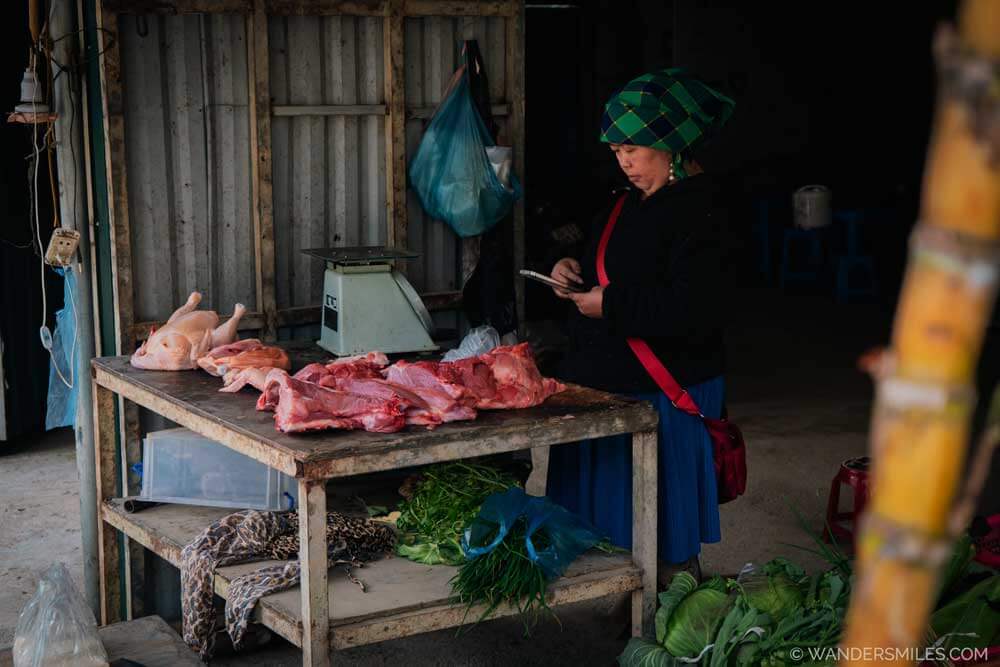
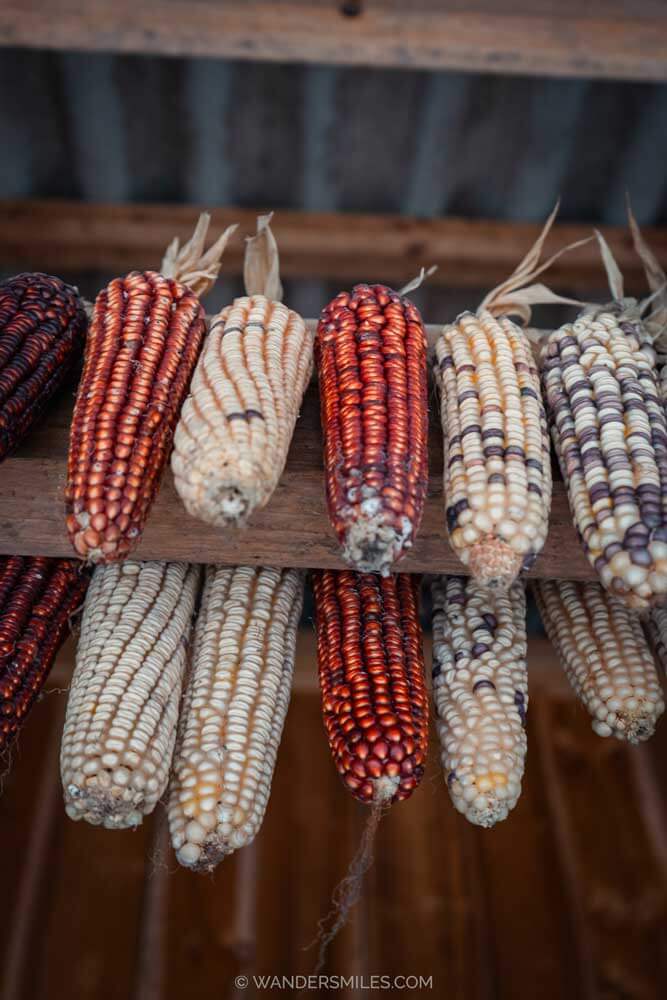
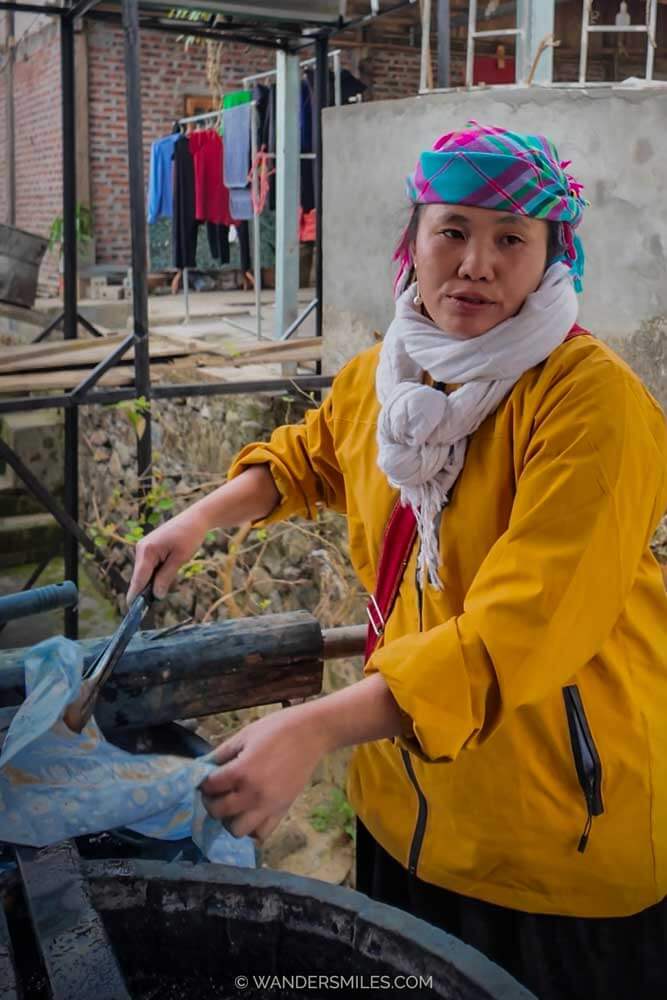
We exchanged smiles with women sitting outside their houses embroidering clothing, families working together on construction projects, and watched butchers preparing meat on wooden tables. In Red Dao villages, bright red headscarves flutter outside homes, drying in the mountain breeze. Among the Hmong, deep indigo clothing and silver jewellery are common, and the dyeing process stains their hands a distinctive blue. These everyday scenes are the real story of Sapa.
 H’Mong butcher
 Scarves from the Red Dao tribe
- Bundles of dried corn
- H’Mong ladies in the mountains


Take Part In a Local Cooking Class
A cooking class is a wonderfully personal way to experience Sapa’s food culture. Many classes take place in village homes overlooking misty hills or fields of rice. You’ll chop herbs, roll fresh spring rolls and simmer broths alongside your host, using ingredients grown just outside their door.
For me, the experience highlighted the simplicity and purity of local food, especially compared with the convenience‑driven diets many of us have grown used to. Sharing the meal you’ve created together brings everyone around the table, and it’s hard not to feel inspired to recreate the dishes at home. I even carried rice paper back with me to bring a little of Sapa’s flavour into my own kitchen.
 H’Mong lady frying spring rolls
- Cooking class in Sapa, Vietnam


Learn About Ancestral crafts
Sapa’s ancestral handicrafts are not just decorative; they are expressions of identity. Workshops in bamboo paper making, brocade weaving and wax‑resist batik allow you to learn directly from artisans who have perfected these techniques through generations.
In our batik workshop in Ta Van village, we learned how molten beeswax is applied with traditional tools to form intricate patterns on hemp fabric. These motifs often symbolise prosperity, protection, or elements of the natural world. Weaving demonstrations, meanwhile, show how long strips of dyed fibre are transformed into a textured cloth on wooden looms that creak rhythmically with each movement.
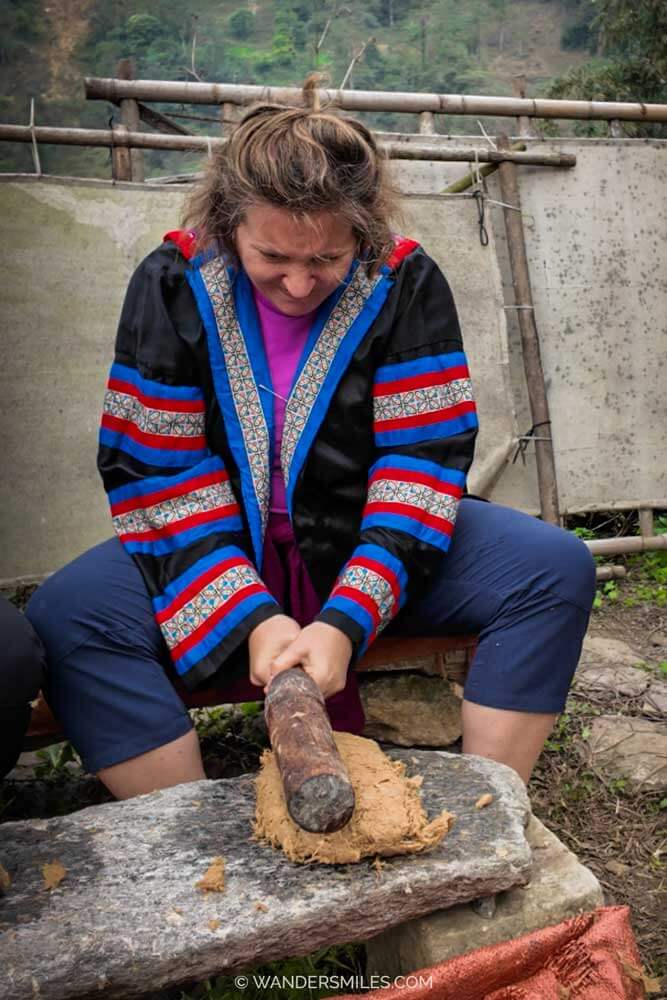
Bamboo paper making highlights another facet of craftsmanship. In Nam Than village, we watched fibres being soaked, pounded, and pressed into thin sheets can feel almost meditative. That is until you take up the mallet yourself and realise it’s far more strenuous than it appears. The women leading the workshop are slight in frame but wield remarkable strength making the process look shamefully effortless.
These workshops not only teach new skills but also help protect traditions that are at risk of being lost. Buying directly from artisans ensures your support goes exactly where it’s needed.
RELATED READ || ETHNIC HANDICRAFTS IN SAPA VIETNAM
- H’Mong lady in batik workshop
- Bamboo paper workshop
Visit The Home Of a Shaman
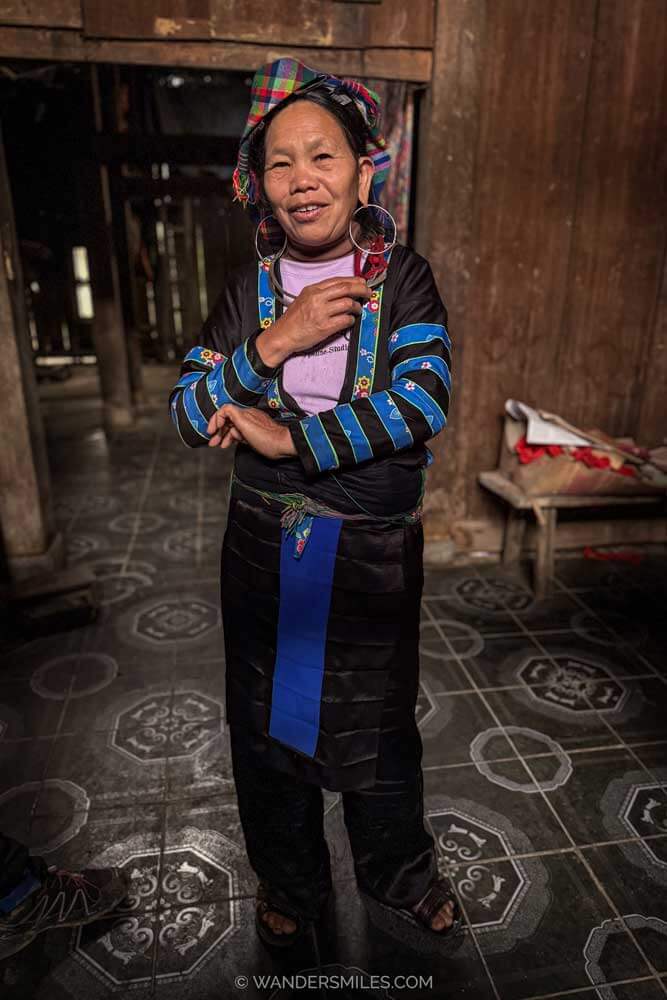
Visiting a shaman, or txiv neeb, is a humbling opportunity to peek into the spiritual life that underpins many mountain communities. Shamans act as healers, custodians of ancestral knowledge, and mediators and mediators between the physical and spiritual worlds.
We were welcomed into the home of a Black Hmong shaman, stepping inside past bamboo sheets pinned over the doorway into a dim wooden house. The three‑tiered ancestral altar glowed with colour, decorated with meaningful objects and hand‑crafted decorations used in daily rituals.
Through translated conversation, we learned how the shaman will diagnose illness, treat ailments with forest plants and communicate with spirits through chants, drumming and offerings. These visits are always carried out with respect and with the family’s permission. They can be arranged through ethical tour operators who have long‑standing relationships with local communities.
- Ancestral Altar in a H’Mong shaman’s house
- H’Mong shaman

Make Time for Wellness
After days of trekking, Sapa’s wellness traditions offer a welcome chance to rest. The Red Dao are particularly known for their deep knowledge of medicinal plants, and their traditional herbal baths are both fragrant and restorative. Up to twenty herbs are simmered together before being poured into warm wooden tubs that ease muscles and improve circulation. Another way to experience the region’s natural therapy is by visiting the thermal baths in Bản Hồ village — an experience I sadly didn’t have time for.
Other treatments include hot stone massages using smooth, warmed stones sourced from local streams and acupressure detox massages that blend indigenous techniques with modern wellness practices. These therapeutic rituals have long been used to ease the strain of working the land, making them ideal for travellers recovering from long hikes.
Explore the Busy Town of Sapa
After a few tranquil days in the countryside, Sapa town can feel like sensory overload. Even though my heart lay firmly in Sapa’s remote valleys, the town still brings an energetic chapter to any journey and is worth dipping into.
Fansipan Peak, known as the Roof of Indochina, fills your eyes with sweeping views when the clouds part. Ride the cable car, take your time adjusting to the altitude, and watch as sunlight cuts across the shoulders of the Hoàng Liên Sơn range depending on the mood of “the city in the clouds”.
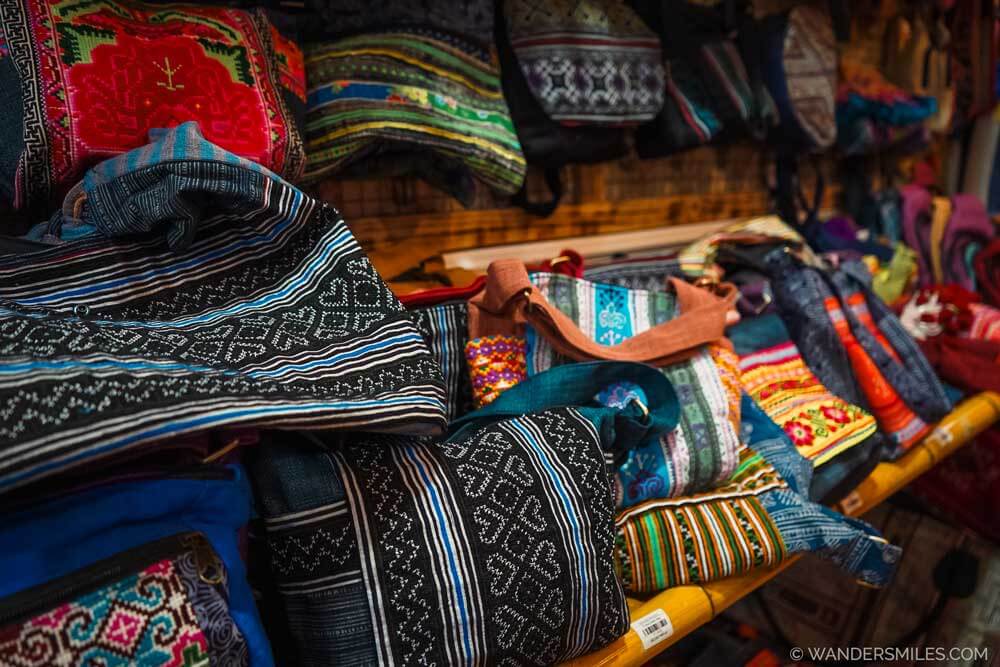
Back in town, colourful markets display textiles, herbal remedies and handmade crafts created by ethnic minority artisans. It’s a good place to support local makers by choosing authentic items over mass‑produced souvenirs.
Sapa’s food scene is another highlight, from grilled mountain pork to sticky rice and steaming bowls of phở. The Sapa Stone Church, also known as the Church of Our Lady of the Rosary, stands at the centre of town and the architecture nods to its French colonial heritage.
- H’mong souvenirs in Sapa
- Summit of Fansipan Peak
- Central street in the town of Sapa
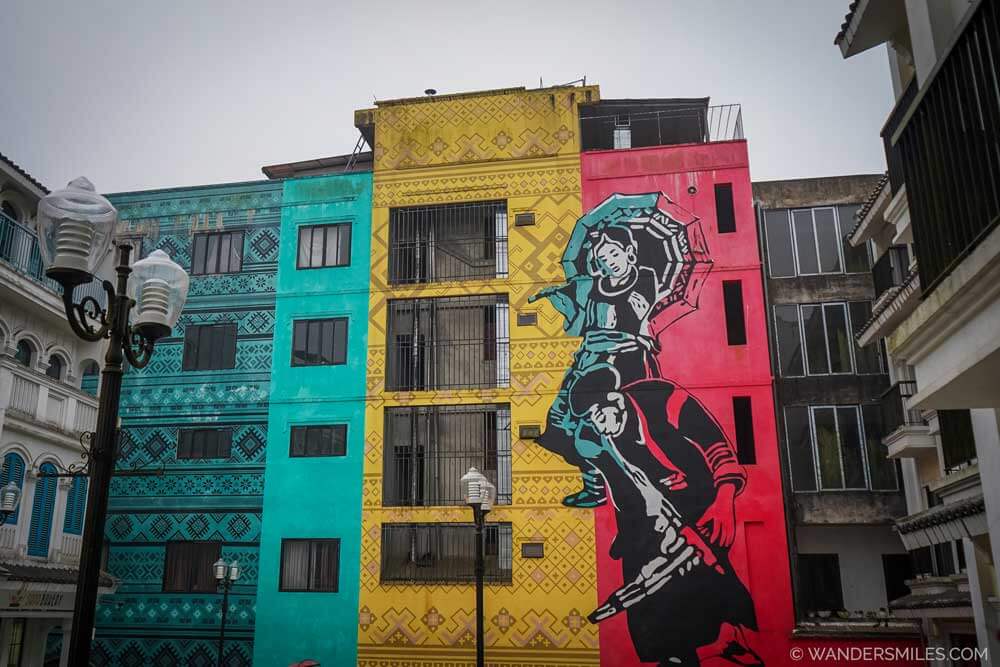
- Street art in Sapa

Thank you to G Adventures for supporting this guide on exploring Sapa off the beaten track, perfect for responsible travellers. All opinions are my own.
Handy Links for Visiting Sapa
RECOMMENDED 5 Days in Sapa Tour with G Adventures to experience life in Lao Cai beyond the busy town of Sapa, meet local artisans of traditional handicrafts, and you get to meet like-minded travellers.
Don’t forget travel insurance! I used HeyMondo for my Vietnam trip. They have 24-hour medical assistance, 365 days a year with single, multi-trip, and long-stay insurance (up to 3 months), cover for COVID-19 and non-refundable expenses. They give a little back too by contributing to ‘Doctors Without Borders’. DISCOUNT TO MY READERS: Get 5% off your travel insurance with HeyMondo.
PIN to Visit Sapa Off The Beaten Track
Disclosure: This post contains affiliate links, which means I may receive a small commission if you click a link and purchase something that I’ve recommended. It comes at no cost to you. Thank you for your support.