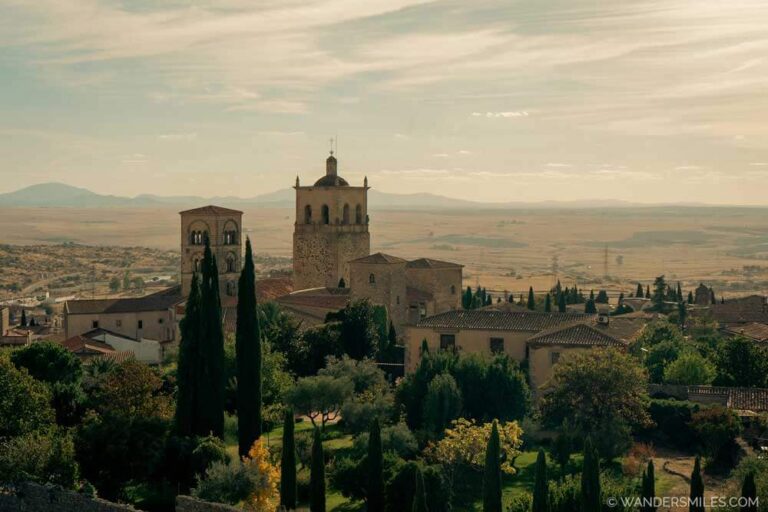
13 Amazing Things To Do in Antequera Spain: More Than Just a Day Trip
LAST UPDATED: 12th September 2025
Between Seville’s energy and Malaga’s coast sits a city most travellers barely notice. Antequera is overflowing with centuries-old churches, prehistoric monuments, rocky limestone landscapes, and enough good tapas to slow down even the fastest-paced itinerary.
Too many people rush through on a day trip from Malaga, or to explore El Torcal and completley miss seeing the best of Antequera from alcazaba to ancient dolmens, and make the most of your time in one of Spain’s overlooked cities. It’s authentic Andalusia without the queues or souvenir overload.
As someone who loves uncovering places that don’t always make the headlines, I spent two days discovering the best things to do in Antequera, Spain. This guide is for travellers who prefer to slow down, stay longer, and really experience the city rather than rush through on a quick day tour — you’ll find my top sights, favourite places to eat and stay, and practical tips to make exploring a breeze.

Explore The Best Things To Do In Antequera
On my mini-adventure in Andalusia by bus, I was looking for a quiet stopover between Seville and Malaga, that was away from the hustle and bustle. My research kept pointing me to Antequera as the best place to soak up some history and nature. In this responsible travel blog, I’ll share:
- activities in Antequera
- where to eat in Antequera
- where to stay in Antequera
- getting to Antequera
MY TOP TIPS`: If you’re planning a trip to Andalucia, consider visiting Malaga or Sierra Norte de Sevilla and joining one of the Antequera tours to get a feel for the area.
Map of Antequera
I hope you find my map of Antequera a handy resource for planning your trip. It’s designed to help you navigate the best attractions, transport options, and restaurants with ease, so you can make the most of your visit.
|| CLICK FOR THE MAP OF ANTEQUERA SPAIN
Best Activities in Antequera
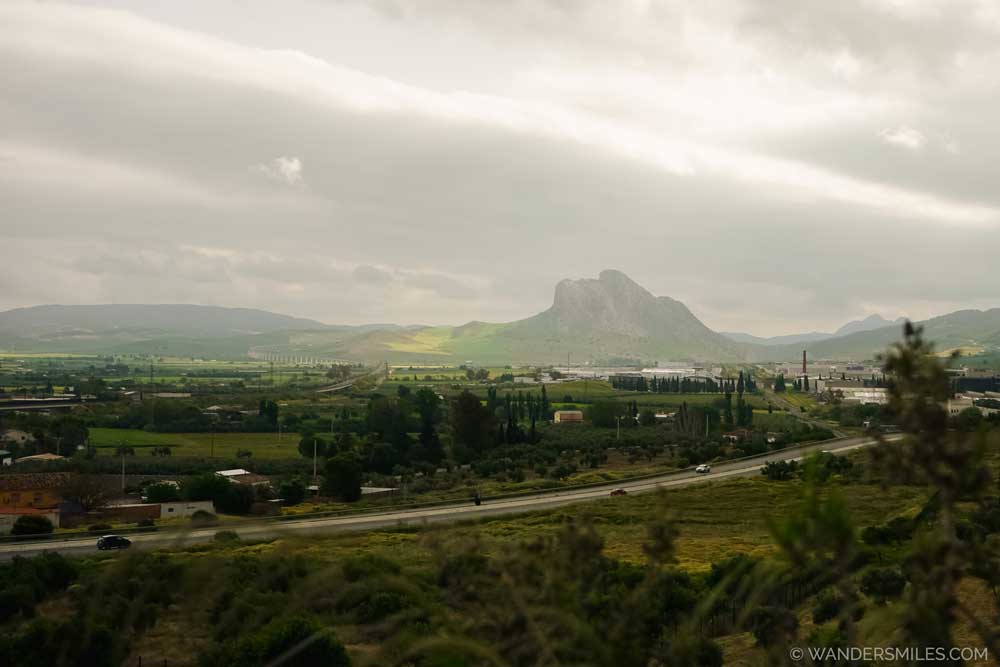
Find La Peña de los Enamorados
La Peña de los Enamorados is one of Antequera’s most famous symbols, so it’s bound to come up more than once — but what exactly is it? This limestone mountain just outside the city is easy to spot thanks to its profile, which looks like a sleeping face. Standing 880 metres above the plains, it’s wrapped in legend. Its name, “The Lovers’ Rock,” comes from the tragic tale of a young Christian man and a Moorish woman who, forbidden to be together, chose to leap from its summit rather than be separated.
The site has been a landmark for centuries, used as a reference point for travellers crossing Andalusia. You can admire it from viewpoints around the city, but can also get closer, hiking and getting a true idea of its scale and shape of the “sleeping giant”.
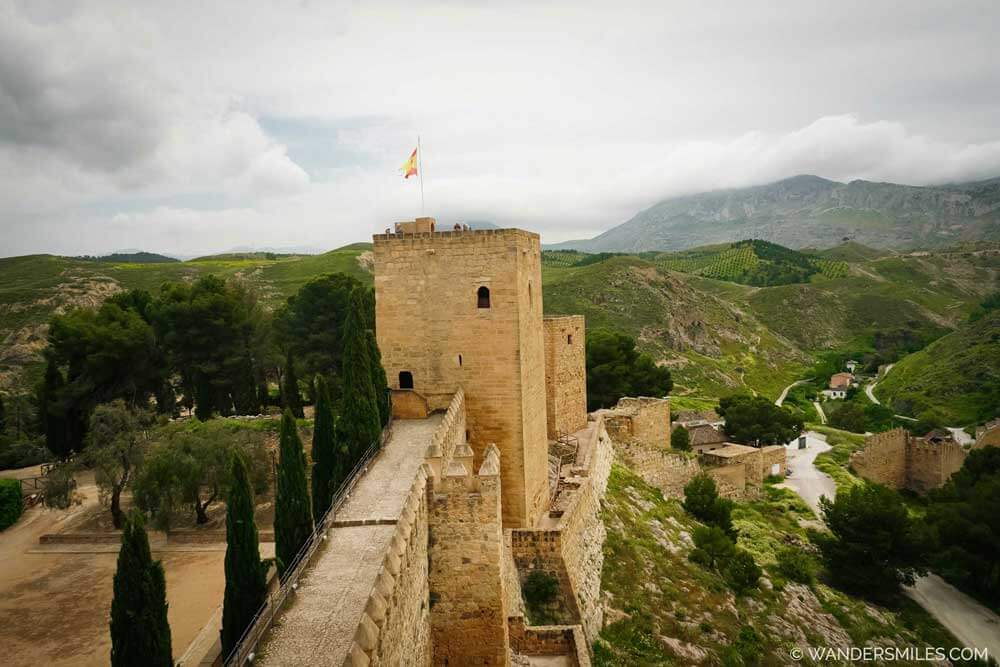
Walk The Walls of Alcazaba de Antequera
The Alcazaba de Antequera is a Moorish fortress built in the 14th century on the site of Roman ruins. It’s hard to miss, sitting high above the city with sweeping views over the rooftops and surrounding countryside. The citadel saw its fair share of action, with several sieges during the Christian reconquest in the 15th century. It finally fell to the Catholic Monarchs in 1410, marking a turning point in the city’s history.
The Torre del Homenaje, the main tower, is the best place for panoramic views and photo opportunities. The Alcazaba is an easy place to explore at a leisurely pace, with plenty of open courtyards and shaded corners to stop and take in the view. They have an audio guide to get the facts on your way around.
|| JOIN A WALKING TOUR OF ANTEQUERA || OPEN DAILY: 10am – 6pm
Visit Real Colegiata de Santa María la Mayor
The Real Colegiata de Santa María la Mayor sits just below the Alcazaba. Built between 1514 and 1550, it’s considered the first Renaissance-style church in Andalusia, with a mix of late-Gothic and early Renaissance features. The building’s grand sandstone façade, tall columns, and detailed stonework are a sign of the city’s wealth during the 16th century.
Inside, you won’t find pews or regular church services anymore — it’s now used as a cultural venue for concerts and events. The high Gothic-Mudejar vaults, imposing columns, and soft natural light give it a calm feeling. One unique feature is the Tarasca — a half-serpent, half-woman statue recreated from the one that appeared in the 1760 Corpus Christi procession, which symbolises the triumph of good over evil.
|| JOIN A WALKING TOUR OF ANTEQUERA || OPEN DAILY: 10am – 6pm
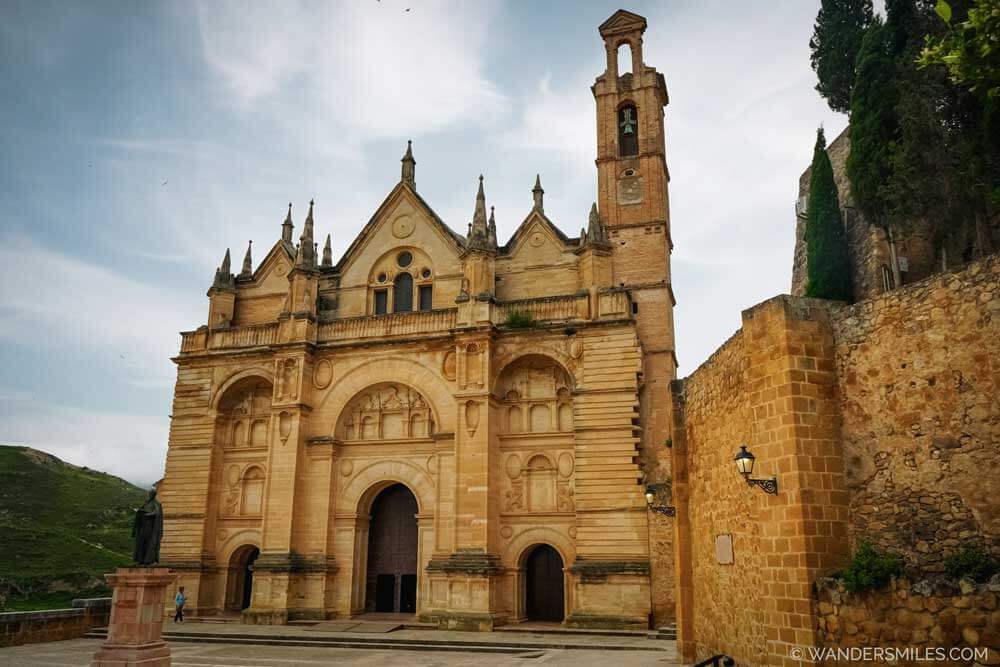
Walk through Arco de los Gigantes
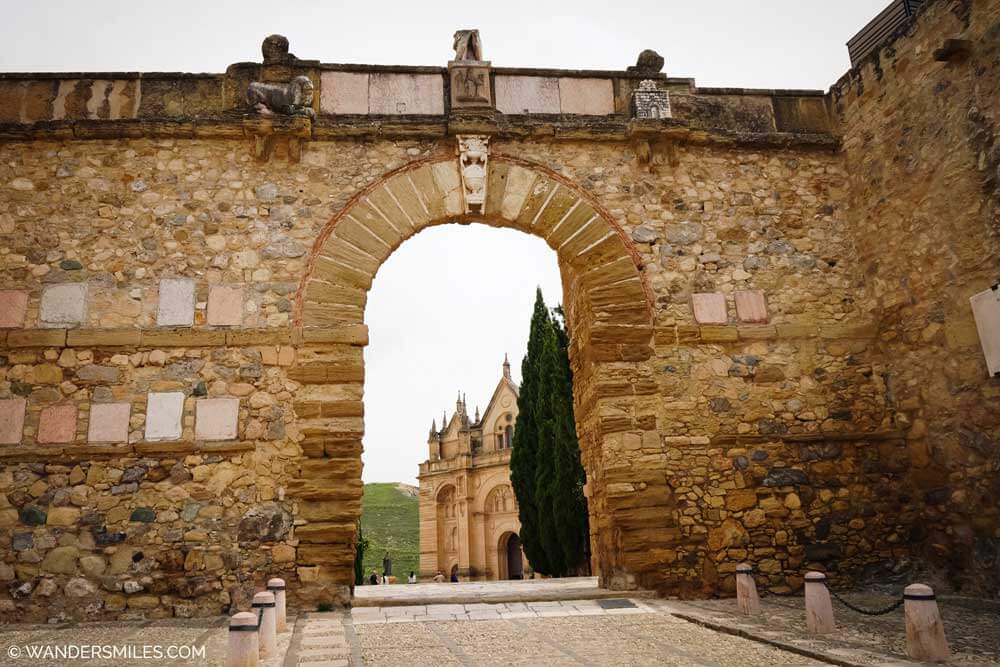
The Arco de los Gigantes (Arch of the Giants) is a 16th-century gateway that once marked the main entrance to Antequera’s old town. Built in 1585, it replaced a smaller Moorish arch and was designed to impress, with its large stone blocks and decorative coat of arms celebrating the city’s history.
The arch is a great frame for photographs with the the Real Colegiata de Santa María la Mayor rising from one side and the expansive countryside from the other.
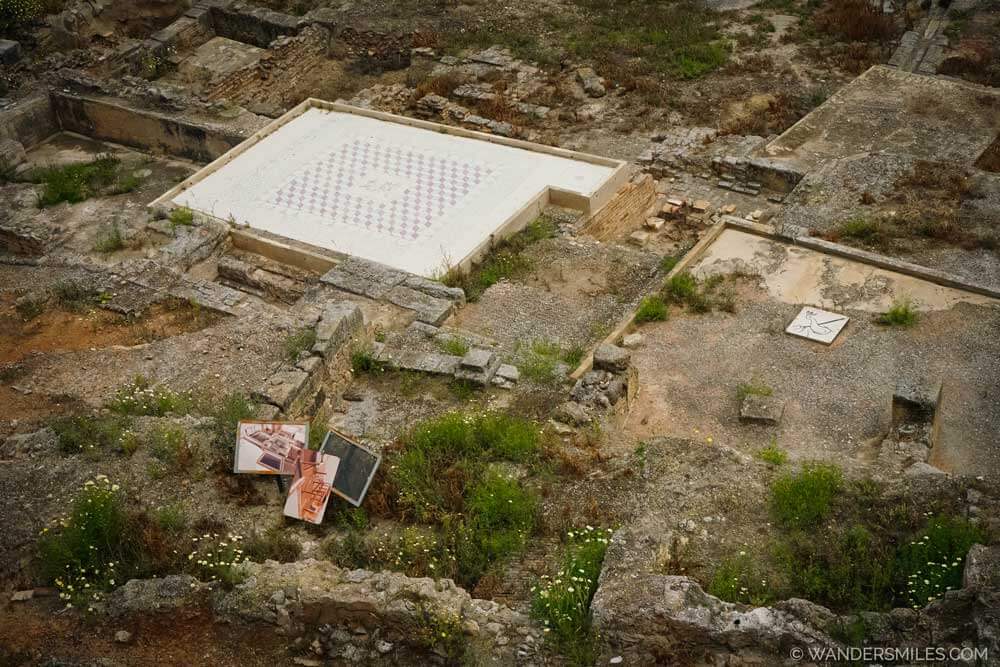
Roman Bath Ruins
The Termas Romanas de Santa María are the Roman bath remains in Antequera, dating back to the 1st–5th centuries AD and only uncovered in 1988 by chance. You can still spot sections of the walls, pools, and the heating system that once warmed the water. While much of the complex has disappeared, it’s worth peeking over the wall next to the Real Colegiata de Santa María la Mayor to imagine daily life of Roman Antikaria — the city’s Latin name.
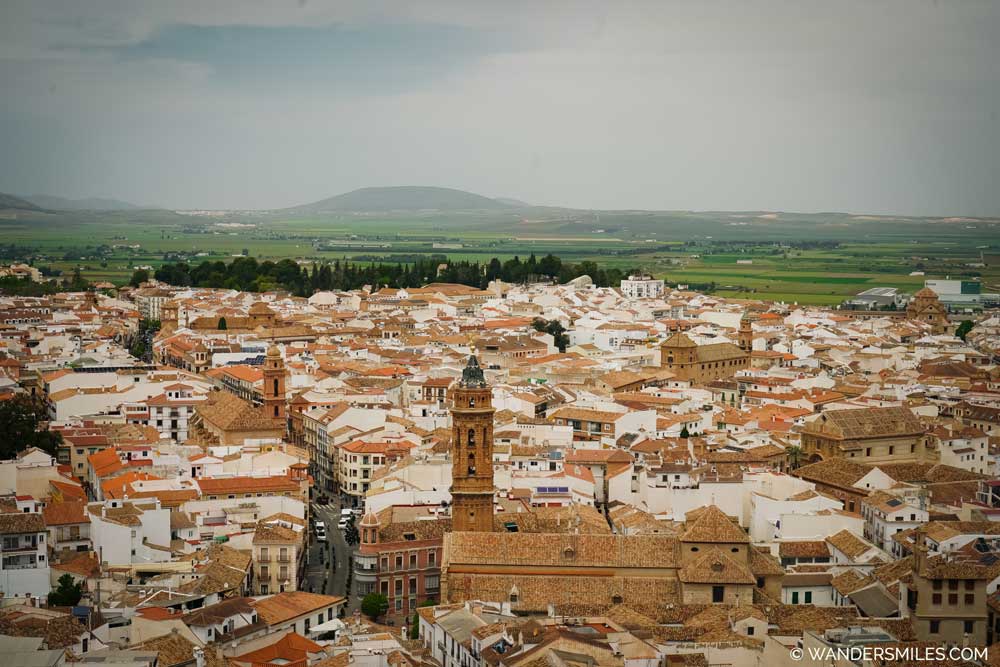
Admire the views at Mirador de las Almenillas
The Mirador de las Almenillas is one of the best spots in Antequera to take in the city and its dramatic surroundings. From this elevated viewpoint, you get wide-open landscapes over the whitewashed rooftops, the patchwork of farmland and your eye makes a beeline for La Peña de los Enamorados in the distance.
You will pass the mirador on your way to the Alcazaba and the Real Colegiata de Santa María la Mayor, but don’t rule out a separate trip for golden hour.
Try the Local Tapas
Sampling local tapas is definitely one of the top things to do in Antequera. Even though it’s a relatively small city, there’s no shortage of great places to eat, offering everything from traditional Andalusian dishes to inventive seasonal plates. I didn’t have much time in Antequera, but I did my research and found a few spots that really delivered on flavour and atmosphere.
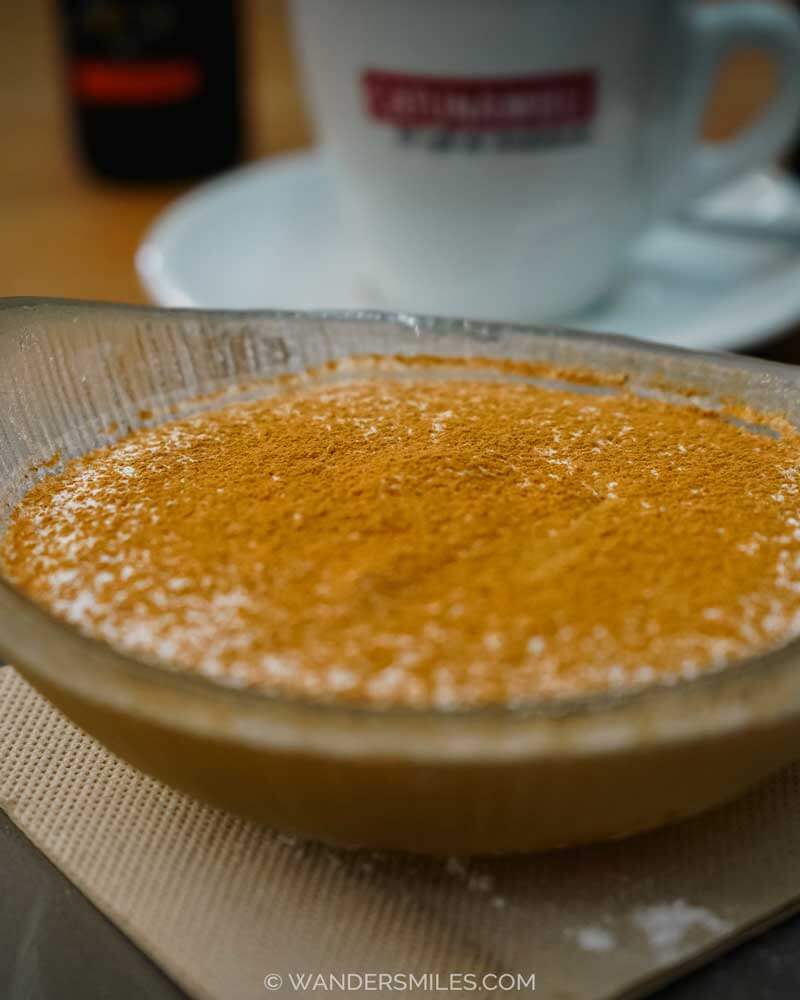
Arte Cozina and La Cantina Antequera are both lip-smacking eateries for tasting seasonal tapas made with local ingredients. Two dishes you have to try are porra antequerana, a thick and creamy cold tomato soup served with toppings like ham or tuna, and bienmesabe, a sweet almond-based dessert that’s one of Antequera’s signature treats.
 Crema de Calabaza (Pumpkin Soup)
- Porro – typical tapas from Antequera
- Bienmesabe – typical dessert from Antequera


Museo de la Ciudad de Antequera (MVCA)
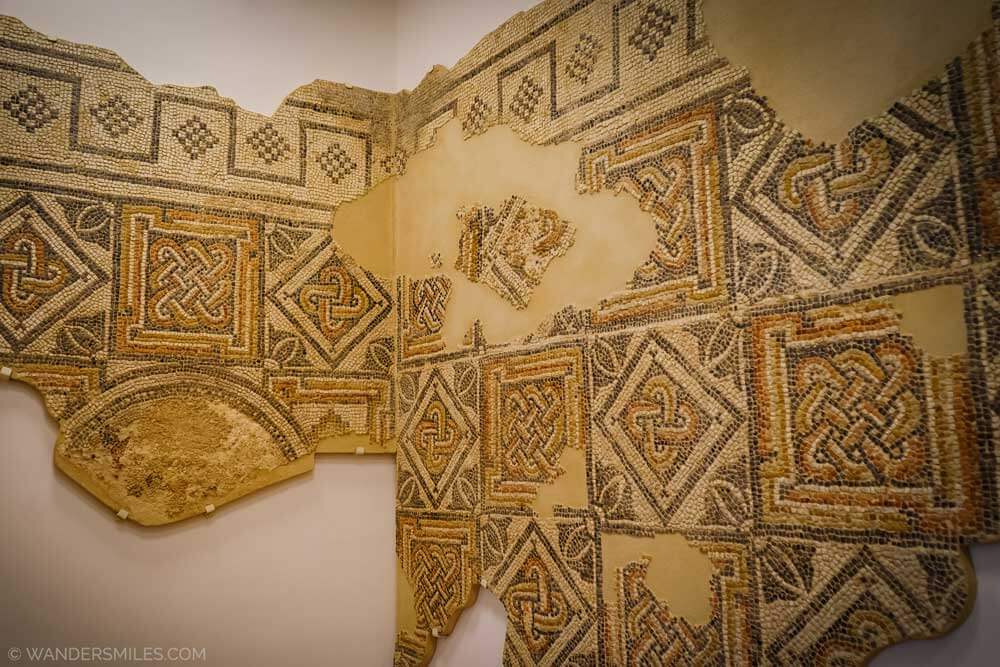
The Museo de la Ciudad de Antequera (MVCA) is a great place to get your history and culture fix. Set inside the beautiful 18th-century Palacio de Nájera, it takes you from prehistoric times through the Roman era and right up to the present day. You’ll find archaeological treasures, artwork, sculptures, and religious artefacts that tell the story of Antequera as a crossroads of civilisations, giving you a real sense of how life in the city has evolved over the centuries.
A couple of highlights for me were the family sarcophagus from Las Maravillas, bearing the name of Acilia Plecusa, and the striking works of local artists José María Fernández and Cristóbal Toral.
|| CHECK MVCA WEBSITE FOR DETAILS : OPEN from Monday to Sunday: 10:00 – 18:00
Visit MAD Antequera
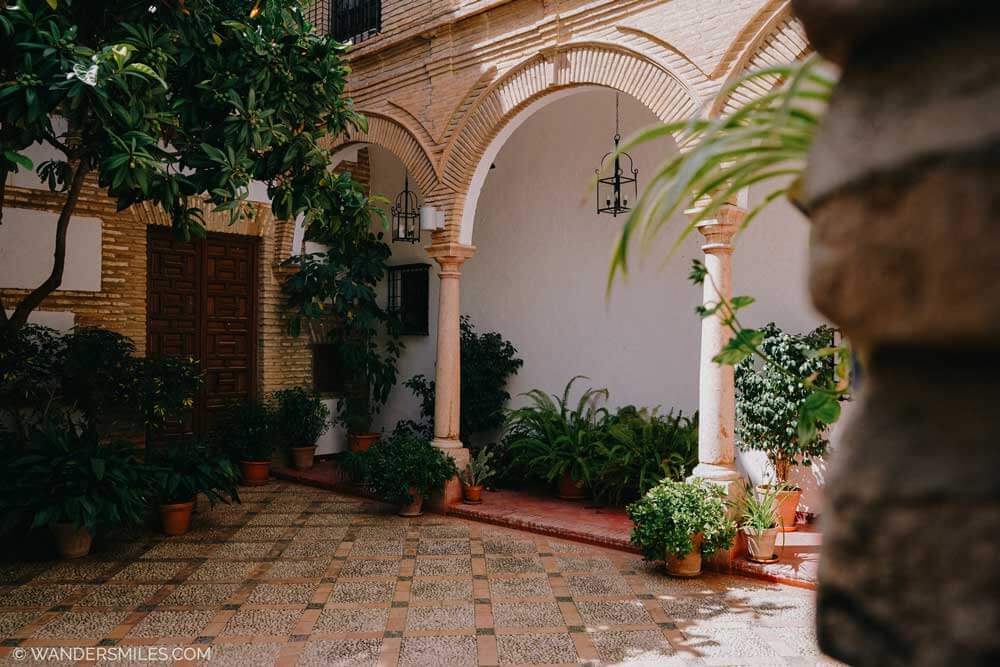
I didn’t see MAD (Museum of Art of the Diputación) mentioned in many blogs, but as an art lover, it was one of my favourite things to do in Antequera. It’s located in the historic Casa de Los Colarte, a well-preserved 18th-century mansion that showcases classic Andalusian details like ornate ironwork, wooden beams, and peaceful courtyards.
The permanent exhibition takes you through the 20th century’s Málaga School of Art, from the moody painter Martínez de la Vega to portraitist Félix Revello de Toro, and of course, the ever-famous Pablo Picasso. Don’t miss the temporary exhibits at MAD Antequera — I discovered a new favourite contemporary artist, David Sancho, who was born in Antequera — who knows what you will be introduced to. Most of the information is in Spanish, so you might want to use your phone’s image translate feature, but it’s definitely worth the extra effort.
Visit the Many Churches of Antequera
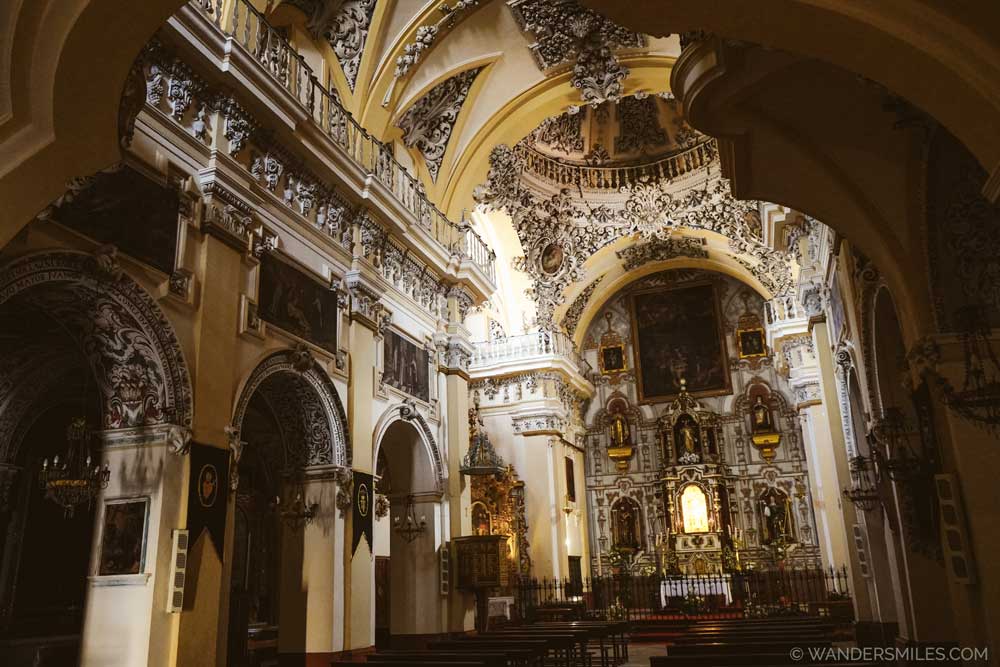
Antequera is often called the “City of Churches,” and it’s easy to see why — there are more than 30 peppered across its streets and squares. This abundance comes from the city’s wealth and importance in the 16th and 17th centuries, when religious orders and noble families funded grand places of worship.
Some of the churches I visited in Antequera are well worth take a look at;
- Convento de Belén – Founded in the 17th century, this convent belongs to the Order of the Discalced Carmelites. It’s known for its plain yet elegant baroque style and the traditional sweets the nuns sell from behind a small turnstile. Get there early as they’d run out when I arrived.
- Iglesia de San Juan de Dios – Built in the early 18th century, this former hospital church of the Order of St John of God packs a lot into a small space. Its richly decorated Andalusian Baroque interior includes gilded altarpieces, dramatic sculptures, and has a large collection of religious paintings.
- Iglesia de Nuestra Señora de los Remedios – Dating back to the 16th century, this parish church was later transformed with lavish baroque decoration. Inside, its ornate main altarpiece and painted vaulted ceilings make it one of Antequera’s most astounding religious spaces.
Visit the Dolmens of Antequera
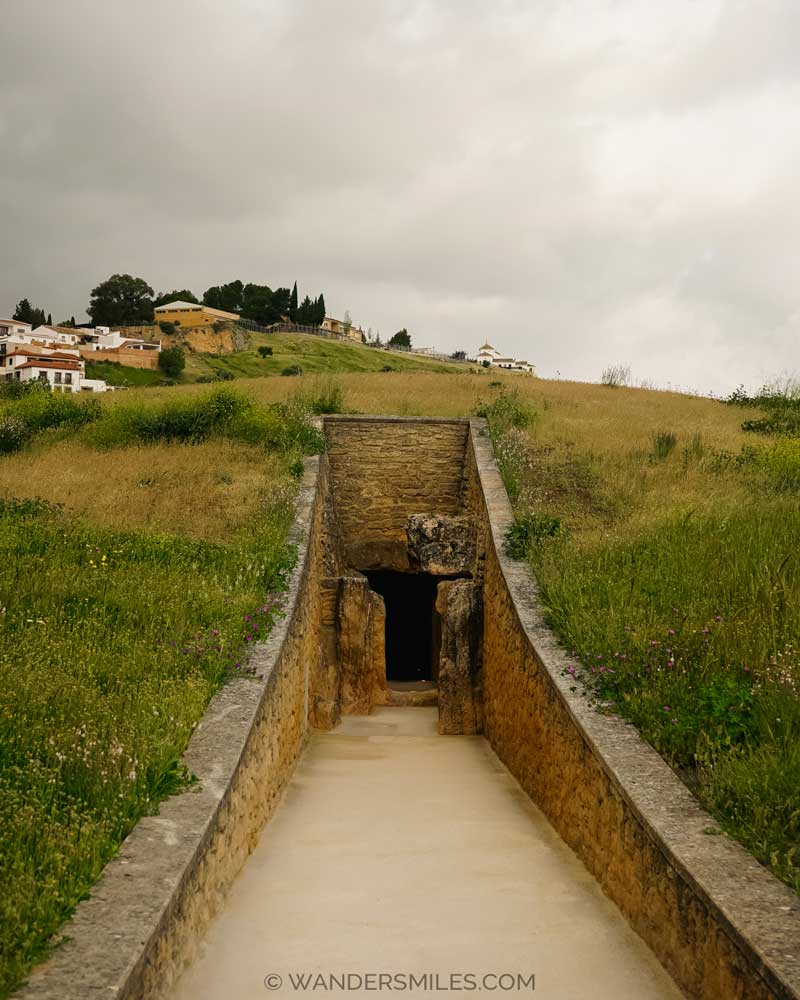
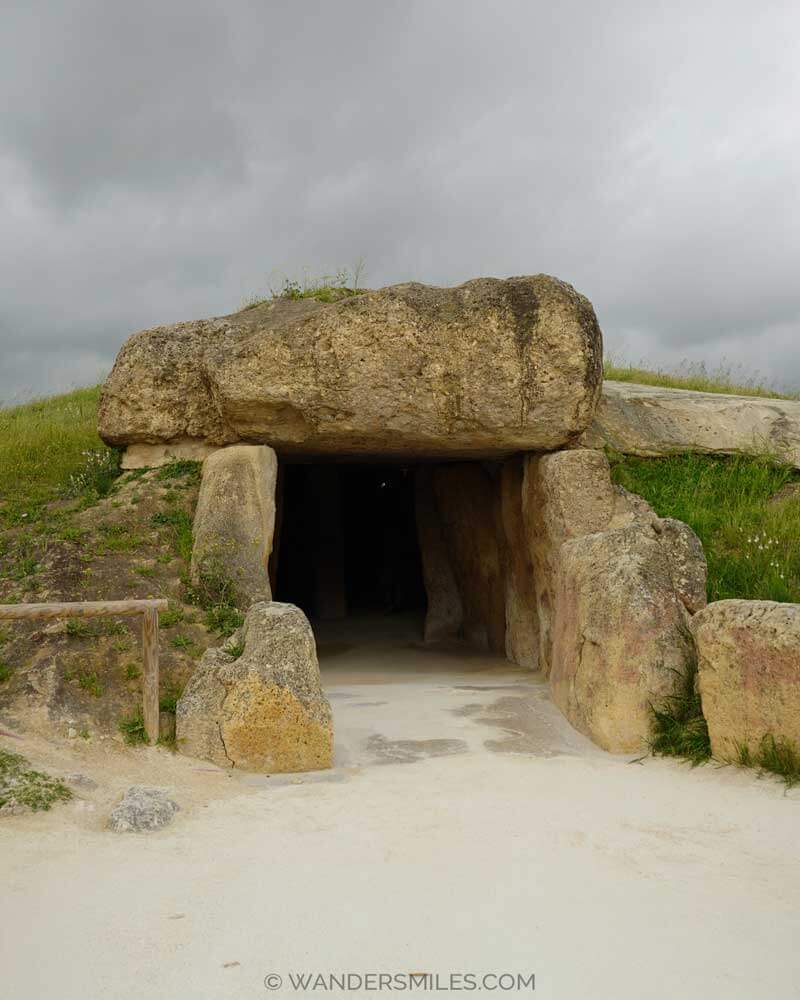
Visiting the Dolmens of Antequera takes you thousands of years back in time to one of Europe’s most important prehistoric sites, now recognised as a UNESCO World Heritage Site. These ancient megalithic monuments, usually built as burial chambers during the Neolithic period, are partly covered with earth and made from massive stone slabs.
The Menga Dolmen is the oldest and largest in the complex, with an impressive sandstone passageway that lines up with the summer solstice sunrise over La Peña de los Enamorados. A mere 70 metres away, the smaller Viera Dolmen is another fine example of a corridor tomb, discovered in 1905 by two local brothers, Antonio and José Viera. A short drive away, the Tholos of El Romeral has a different design, with a beehive-shaped chamber facing the El Torcal mountains, hinting at a shift in style and purpose.
How to visit the Dolmens of Antequera
You can easily visit the Dolmens of Antequera without a guided tour. Entry is free, and there’s an information centre with an audio-visual presentation, plus free guided tours if you want a bit more context. Since I was short on time and didn’t have a car, I opted for a combined tour that included both the Dolmens and El Torcal.
|| JOIN A GROUP TOUR OF THE DOLMENS AND EL TORCAL
Explore El Torcal de Antequera
El Torcal de Antequera is a nature reserve famous for its otherworldly limestone formations, shaped over 200 million years by the sea, wind, and rain. Once part of the seabed, the area is packed with marine fossils, from ammonites to coral.. Declared a Natural Park in 1978 and later a UNESCO World Heritage Site as part of the Dolmens of Antequera listing, it’s one of the best places in Spain to see karst landscapes at their most dramatic.
Beyond its surreal rock formations, El Torcal is bursting with life. In spring, wild orchids and asphodels add pops of colour, Spanish ibex perch on the cliffs, and griffon vultures glide overhead. Visit in the warmer months and you might also spot foxes, lizards, and a flurry of butterflies. Thanks to its location and unique karst landscape, El Torcal is known for dramatic shifts in weather — and we definitely got one of those days, with thick mist making it tricky to see more than a few metres ahead.
How to visit El Torcal
There’s plenty to do in El Torcal with well-marked trails range from short loops to longer routes that take you deep into the rock labyrinth. The visitor centre has exhibits on the park’s geology and wildlife, and there’s a café with panoramic views (weather permitting). There is no public transport to El Torcal from Antequera so the options are taxi or own car.
I did the combined Dolmens and El Torcal tour, but if you’ve already ticked off the Dolmens or just fancy exploring El Torcal, you could go for one of these instead;
- Jurassic Route in El Torcal with transport
- Cheese tourism at the foot of El Torcal
- El Torcal Group Hike With Transfer
- Sunset in El Torcal de Antequera With Transfer
- Misty Day at El Torcal
- White Asphodel Flower


Check out the Bullring – Plaza de Toros de Antequera
The Plaza de Toros de Antequera is one of Andalusia’s most distinctive bullrings, built in 1848 and admired for its elegant neoclassical design. Its whitewashed walls and traditional arcades reflect the region’s architectural heritage. The original bullring was built quickly in time for the Feria de Agosto and was renovated in 1984 to include shaded areas.
These days, you can visit the on-site museum to learn about its history or grab a table at the restaurant for a meal with a view over the arena. Unfortunately, it’s still one of the most active bullrings in Andalusia, with corridas taking place a few times a year. I don’t support bullfighting, but I can’t deny the building is an important part of Antequera’s history. It is open, so you can just walk in and have a peek even if you don’t stay for food!

Planning Your Trip to Antequera
Where To Stay In Antequera
If you want to stay somewhere with real character, I stayed in Arte de Cozina — an intimate family-owned guesthouse. Rooms are simple but charming, and you’re just steps from some of the best tapas in town. It’s perfect if you like the idea of rolling upstairs after a long dinner.
For something more traditional, Parador de Antequera offers modern comforts with gorgeous views over the city and surrounding countryside. The spacious rooms, outdoor pool, and stylish restaurant make it a solid base for exploring. Another great option is Hotel Convento La Magdalena, set in a restored 16th-century convent just outside the city. It’s a peaceful spot with elegant rooms, a spa, and a restaurant
|| CHECK AVAILABLITY + PRICING FOR ACCOMMODATION IN ANTEQUERA

Getting To Antequera
Getting to Antequera is pretty straightforward. The city’s well-connected by both road, bus and rail so it is it an easy stop on an Andalusian itinerary.
Buses are a great option with regular services from nearby towns and major cities. Once you’re in Antequera, most attractions are within walking distance, though having a car (or booking a tour) is handy for visiting spots like El Torcal. I took the bus from Seville to Antequera (2.5 hours), and also from Antequera to Malaga (1 hour).
High-speed AVE trains link Antequera-Santa Ana station with Malaga, Seville, Madrid, and beyond, while slower regional trains run straight into the city centre. One important thing to note is that the station is not in the centre of Antequera and may cost around 30 euros in a taxi. So some of the shorter journeys are best done by bus.
By car, the A-45 and A-92 highways make it a quick trip from Malaga or Granada.
|| TRANSPORT INFO || BEST CAR HIRE COMPARISON SITE || ANTEQUERA BUS AND TRAIN TIMES

PIN For Antequera Spain


Disclosure: This post contains affiliate links, which means I may receive a small commission if you click a link and purchase something that I’ve recommended. It comes at no cost to you. Thank you for your support.